Why your kitchen needs “Second-Response” Infrared
Most commercial ovens work by heating up the air, and then waiting for that air to heat up your food. It’s a slow process. There’s this annoying lag time that happens every time you open the door or slide in a new tray. When you’re slammed during a dinner rush, that lag is a killer. It slows everything down. That’s why we use short-wave infrared (IR) elements. Instead of messing around with the air, these hit the food directly. It’s basically a shortcut. Standard heating elements take forever to get where they need to be. But these IR lamps? They hit full power in seconds. We call it “second-response” because you can trigger a blast of intense heat exactly when you need it. Need to brown a crust or get a perfect sear right at the end? Just flip the switch. You don’t have to wait for the whole oven to recover its temperature. It just happens. Your workflow gets tighter, and your food gets out the door faster.
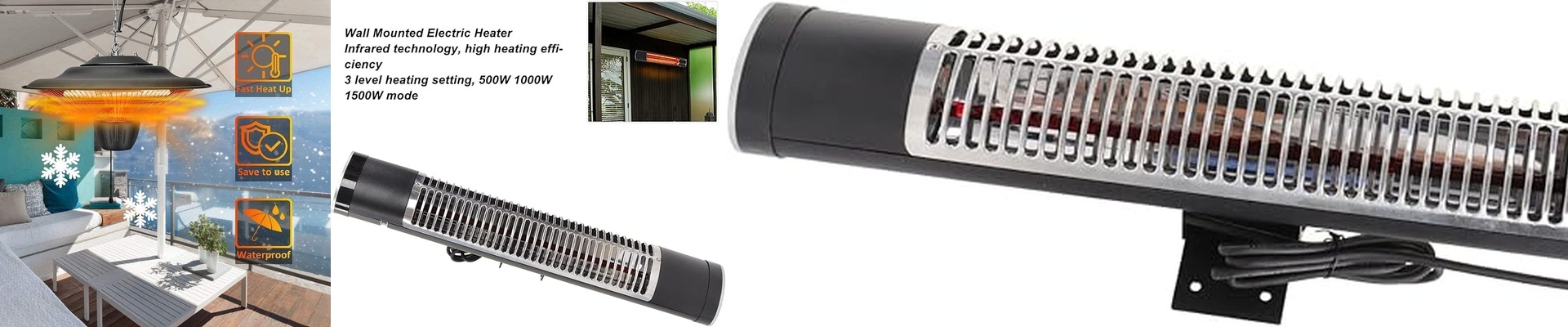
The nitty-gritty stuff Under the hood, these are tungsten filaments inside a high-purity quartz tube. We usually fill them with halogen gas—not to be fancy, but because it helps the filament last longer and keeps the heat consistent. We can set these up for whatever power grid you’re running. Now, a heads-up: because these tubes pack so much energy into a small space, they put a lot of heat on the oven’s frame. Make sure your insulation is solid. You don’t want anyone getting burned by the outside of the casing. Getting them installed (and keeping them running) We made these “drop-in” replacements. Most of them use standard R7s or Sk15 connectors, so you can just wire them up. No need to hire a specialist to fabricate custom parts. One thing to remember: quartz is fragile. If your kitchen is a bit chaotic—lots of vibration or things bumping into the equipment—you’ll want to put some guards over them. Also, be honest with yourself about the trade-off. These lamps don’t last as long as those heavy-duty stainless steel coils. You’re giving up a bit of longevity in exchange for raw speed and precision. In a high-volume kitchen, that’s usually a trade worth making.