
Introduction
Ever run into a heating problem where the space is tiny, but the heat demand is huge? We live for those challenges. We build industrial electric heaters for exactly those tight squeezes—where you need serious power, but you can’t afford to waste a single inch. Our go-to solution is the quartz halogen heating tube. It’s small, intense, and built to take a beating on a busy factory floor. It gives you heat that turns on fast, holds steady, and listens to your commands. No waiting around. Just heat, right when you need it.
The Details That Matter
Let’s get into the numbers, but keep it real. The standard setup is 400V, 2500W, with a 300mm active length. Why does that matter? Running at 400V drops the current, which means you can use smaller wiring and put less stress on your machine’s connections. That’s a big win. And packing 2500W into just 300mm gives you a massive amount of heat in a very small footprint. Perfect for heating up small spots, fast. It’s heat on demand, but it does mean your control gear and cooling systems need to be up to the task.
What’s Inside
We build these tubes with a quartz envelope, a halogen fill, and a tungsten filament inside. The halogen cycle does the heavy lifting, keeping the filament stable and preventing that blackening you see in other tubes. So the heat output stays consistent, month after month. The quartz runs hot and clean. And if you want to be even more efficient, you can add a reflective coating. It simply directs more of the energy forward, so you waste less heat. For hooking it all up, we use an R7s connector. It’s a simple, two-ended ceramic holder that wires up quickly, can handle the high temps, and makes swapping out a tube as easy as possible.
On the Floor, Where It Counts
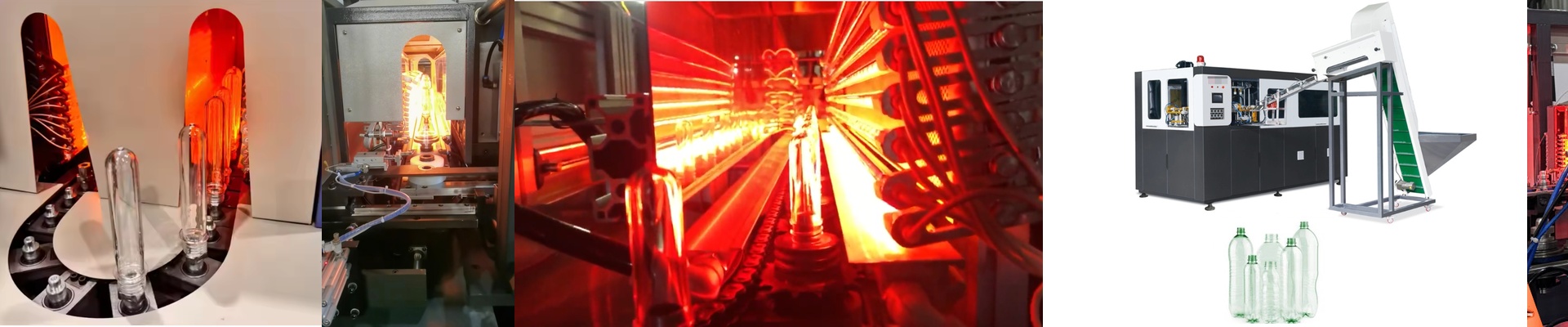
Out on the shop floor, these tubes are workhorses. You’ll find them handling PET blowing, preheating plastic, and even spot heating in ovens. The best part? The heat ramps up fast and stays focused. That means you can shorten your cycle times without scorching the machine frame around it. And because the tube is so compact, it makes redesigns and retrofits a whole lot simpler. Just remember, with this much power packed into a small space, you need to plan for proper cooling and solid terminals. The tube delivers the heat—your machine just has to keep pace.