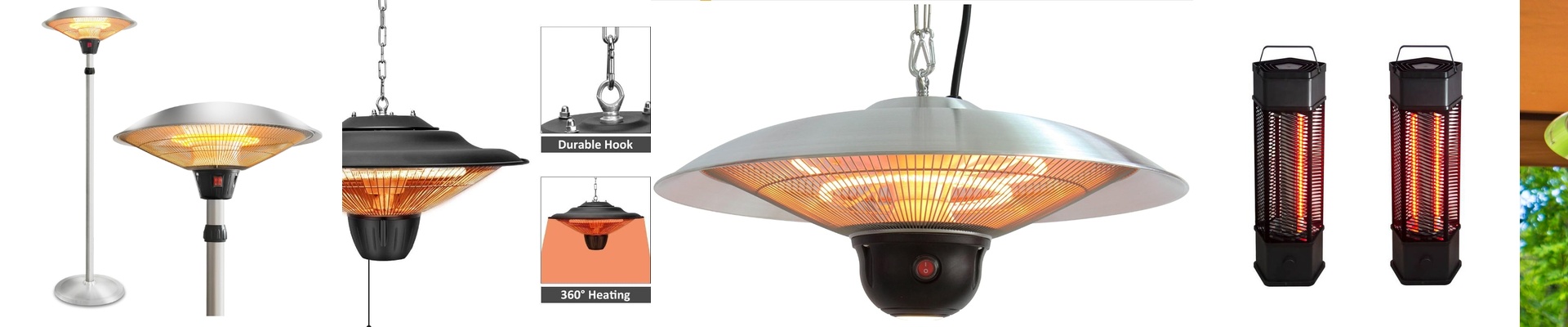
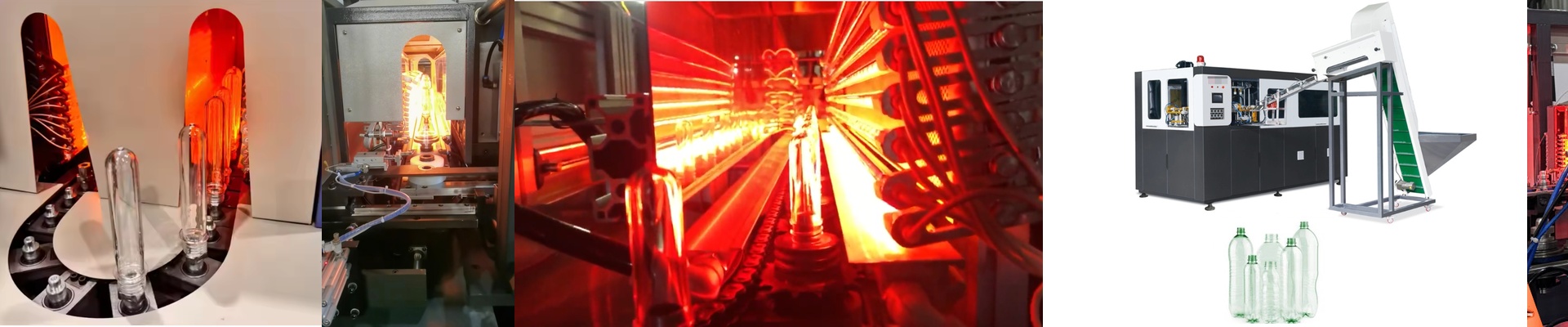
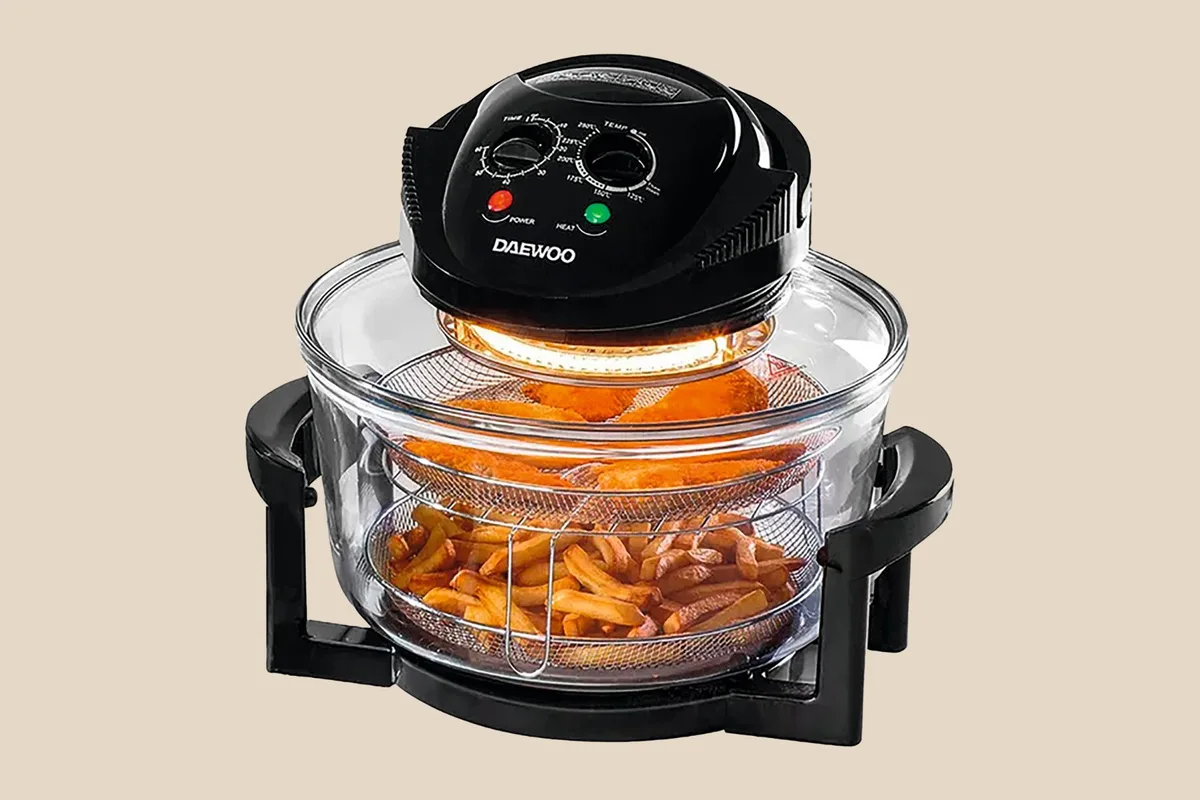
You know the drill. Service starts in 20 minutes, the oven is still climbing, and every minute you wait is a minute lost on crust, caramelization, and consistency. Preheat delays aren’t just slow—they force uneven bakes, make staff improvise, and quietly eat into your margins. In a busy kitchen, the heating element isn’t a background part. It’s the pacemaker. We built the catering gold-coated IR heater to tackle that pain head-on. It’s engineered for fast energy delivery, stable temperature behavior, and predictable performance when the heat is on.
What matters under the hood
The core of this heater is infrared output tuned for food service. The gold coating isn’t cosmetic—it’s a selective surface that reflects longer wavelengths back into the baking chamber while letting IR energy radiate efficiently. The payoff is heat that hits the product surface fast, with less wasted energy heating air. In practice, that means:
- Fast thermal response. In a deck oven, the stone hearth and deck absorb energy directly, so you hit bake temperature sooner. In convection ovens, the heater works with airflow to recover quickly after door openings.
- Heat you can aim. IR travels line-of-sight, so the element puts energy where you point it—onto the product, not the ceiling or the frame.
- Tighter temperature control. Because the element heats and cools quickly, it follows the thermostat more precisely, cutting down on overshoot and swing that dry out crust and dull color. The heater is built for commercial duty, available in power configurations for 240–480 V systems, and sized to fit standard mounting patterns and terminal blocks in common oven chassis. It’s compact enough to upgrade or replace without re-engineering the oven interior.
Why it works in catering
In catering, you don’t get to wait around for a slow ramp-up. You need an oven that’s ready when you are, and stays consistent through a long service.
Preheat becomes part of the schedule, not the bottleneck
A gold-coated IR heater brings the baking chamber up to temperature faster because it delivers energy straight to surfaces. For a deck oven, the stone hearth hits target sooner, so you can launch the first bake without killing time. For rotary and convection ovens, it means faster recovery when the door keeps opening during plating. The result is simple: you start baking sooner, and you keep going.
Even heat means fewer headaches on the edges
Uneven heat shows up as pale corners, overdone edges, or a crust that fights you. IR radiation evens out the energy profile across the deck or baking chamber because it heats surfaces directly, not just the air around them. In real life, you get more uniform browning across the pan, and more consistent rise and set on bread and pastries.
Consistency that survives the ride
Catering means your food leaves the kitchen, sits for a while, and still has to look and taste right at the venue. A stable bake—predictable crust color, controlled internal temperature, even doneness—gives you food that holds up. The gold-coated surface helps keep radiant output steady, so you aren’t chasing temperature spikes that dry food out before service even starts.
Energy use that makes sense bake by bake
Faster heat-up and shorter bake times can reduce total energy per cycle. Because the heater concentrates energy where it’s needed, less heat is lost to the surroundings. Over a full day of bakes, that efficiency shows up as lower demand on your electrical service and more predictable utility costs.
Less downtime, fewer replacements
Catering kitchens run long hours. The heater is built for repeated thermal cycling, with materials chosen to resist oxidation and thermal stress. That means fewer service call-outs, fewer spares in the drawer, and more uptime.
The practical stuff you need to know
Upgrading to a gold-coated IR heater pays off, but there are a few real-world considerations.
- Clearance matters. IR heaters throw intense directional heat. Keep proper distance from insulation, wiring, and nearby components, and follow the clearance specs for your specific oven model.
- Line-of-sight is the rule. Heat distribution depends on what the IR beam can “see.” In ovens with heavy pans, stone decks, or rotating racks, positioning and reflectors matter. Check the beam path against your most common pan layout.
- Thermostat and control compatibility. IR elements respond fast, so pair the heater with a thermostat that can keep up. If your oven uses an older cycling control, review its cycle rate and contact rating to avoid short cycling.
- Voltage and connector fit. Match voltage, phase, and terminal type to your oven’s spec. Many units are designed to drop into standard mounts, but verify terminal block size and wiring routing before ordering.
- Temperature limits and cleaning. The gold coating is engineered for commercial baking temperatures, but harsh chemicals, abrasive pads, and impact can damage the surface. Use a non-abrasive cleaner and a soft cloth, and inspect the element after any oven maintenance. If you’re running a deck oven, rotary oven, or convection oven, the catering gold-coated IR heater is a practical upgrade that hits the two stubborn pain points: preheat waiting and uneven heat. It’s not about adding heat—it’s about applying it where it counts, when it counts. When the rush starts, your oven should already be there. With the right IR element, it is.