Why Your Old Bathroom Heater Keeps Dying (And What Actually Works)
Ever notice how those old-school bathroom lamp warmers always seem to quit right when you need them? It’s usually because they just aren’t built for the steam. Water vapor sneaks into the housing, fries the circuit, or eats away at the heating element. It’s a frustrating cycle. That’s why more people are switching to high-IP infrared heaters. They’re basically built to live in the damp.
The magic of infrared
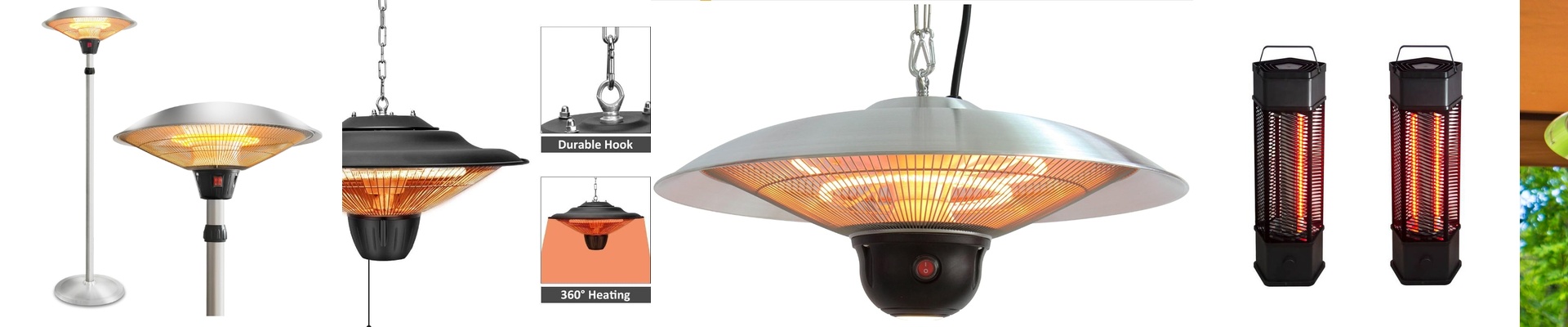
Here is the thing: most heaters try to warm up the air. That takes forever, especially in a chilly bathroom. Infrared is different. It uses short-wave radiation to heat you directly. It’s instant. You flip the switch, and you feel the warmth on your skin immediately. No more shivering while you wait for the room to catch up. To keep things safe around water, these units use sealed quartz tubes and specific IP ratings (like IP44 or IP65). In plain English? It means steam and splashes can’t get to the electrical guts.
The nitty-gritty stuff
We don’t use cheap plastics here. The chassis is made from corrosion-resistant alloys and specialized gaskets. This stops the unit from rusting out after a few months of heavy shower use. We even coat the heating elements so hard water minerals don’t build up and gunk everything up. But a word of warning:watch your power. These arrays pull a decent amount of current. If you try to plug one into an ancient bathroom circuit, you’re probably going to trip the breaker. You’ll want a dedicated line to keep things running smoothly.
Fitting it in
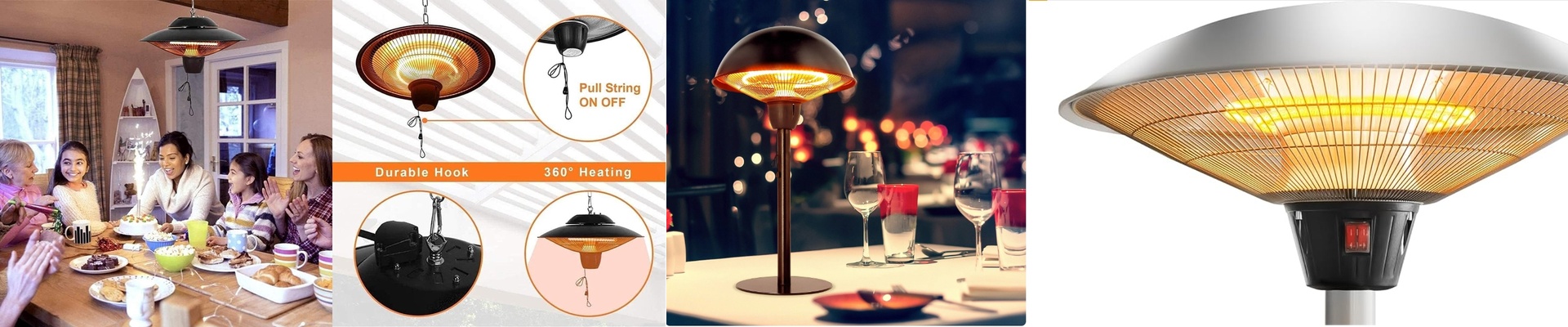
The best part is the footprint. These things are lean. They mount flush to the ceiling, so you get your space back. If you have a modern lighting grid, it’s usually a simple drop-in replacement. Plus, since they don’t rely on blowing air around, you don’t have to worry about where your vents are. Just make sure the seal against the ceiling is tight. You don’t want moisture leaking back into the junction box. Simple as that.