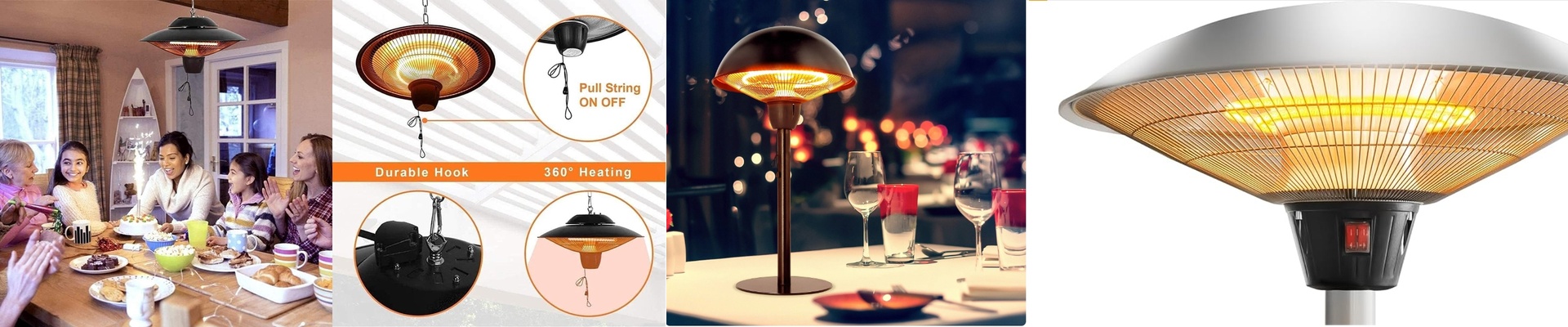
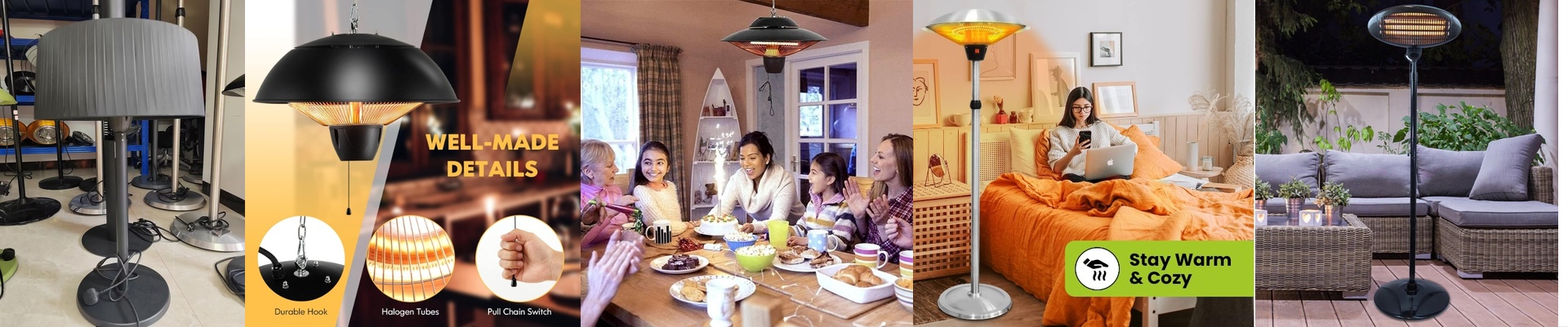
Stepping onto a cold tile floor, you know what’s coming—the jolt. Within minutes, the mirror fogs over, the air turns clammy, and those dark grout lines start to look sketchy again. A standard bathroom heater warms the air, sure, but it doesn’t dry surfaces. An infrared mirror heater does both by heating objects, not the air, and that shift makes all the difference.
What matters, technically
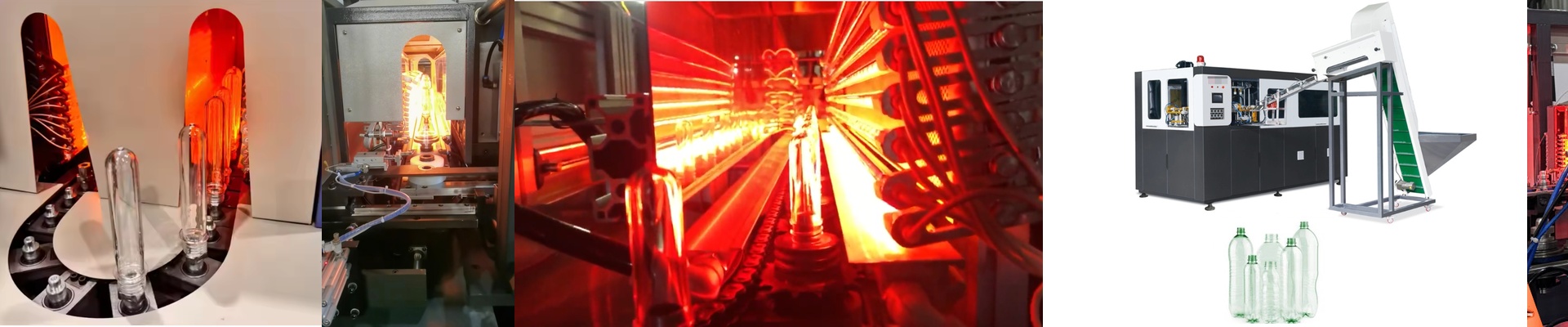
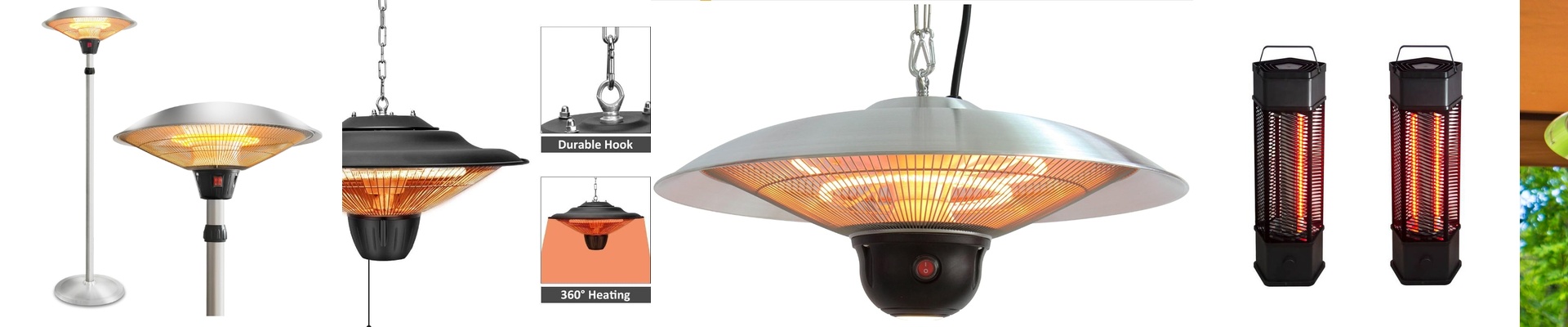
We built this mirror heater around a short-wave infrared quartz element. It puts out 1,500W of radiant heat, aimed where you stand, not wasted up at the ceiling. The element comes up to temperature in seconds, so you feel warmth right away, and the mirrored finish reflects heat back toward you—more comfort without cranking the whole room’s temperature. A built-in thermostat holds your setpoint, and the unit carries an IP54 rating, so it’s protected against splashes and steam—exactly what you need in a wet zone.
Why this approach works in a bathroom
Infrared warmth dries the surfaces where mold and mildew get started. By heating walls, floors, and fixtures directly, the heater cuts down on the condensation that beads up on mirrors and tiles. Less moisture means fewer mold spores taking hold, and that keeps the space cleaner and healthier. The payoff is a bathroom that feels drier, fresher, and cozier—with fewer heavy-duty cleaning sessions and less worry about hidden microbial growth.
The details you need to get right
This unit needs a dedicated 120V outlet and should be installed at least 60 cm above the floor, ideally on a wall rated for wet locations. It works best paired with a ventilation fan, not as a replacement for it. The mirror surface stays warm to the touch, so think about placement if you have kids. And don’t mount it over a freestanding tub where water splashes can reach the heater.