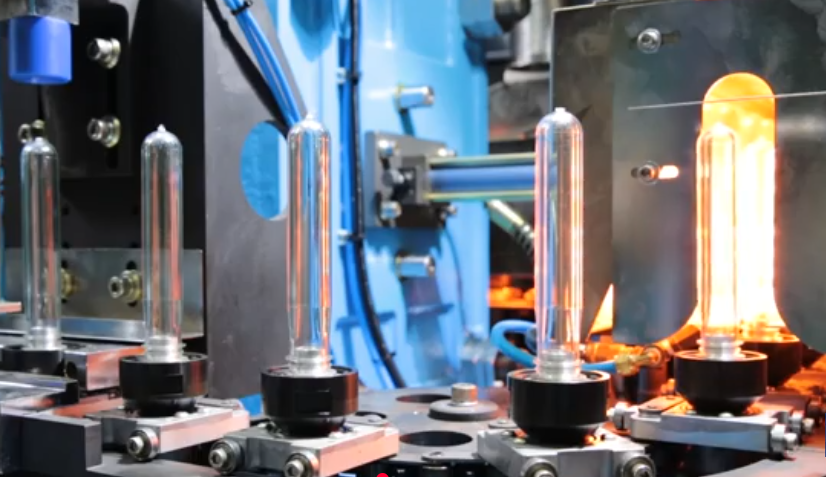
Out on the blow molding floor, a shaky heating profile hits you right in the P&L—scrap piles up, jams start creeping in, and you can’t trust your line speed. When the quartz tube and its protector aren’t doing their job, preform heating goes sideways. You end up chasing temperature swings instead of running clean bottles.
What matters, technically
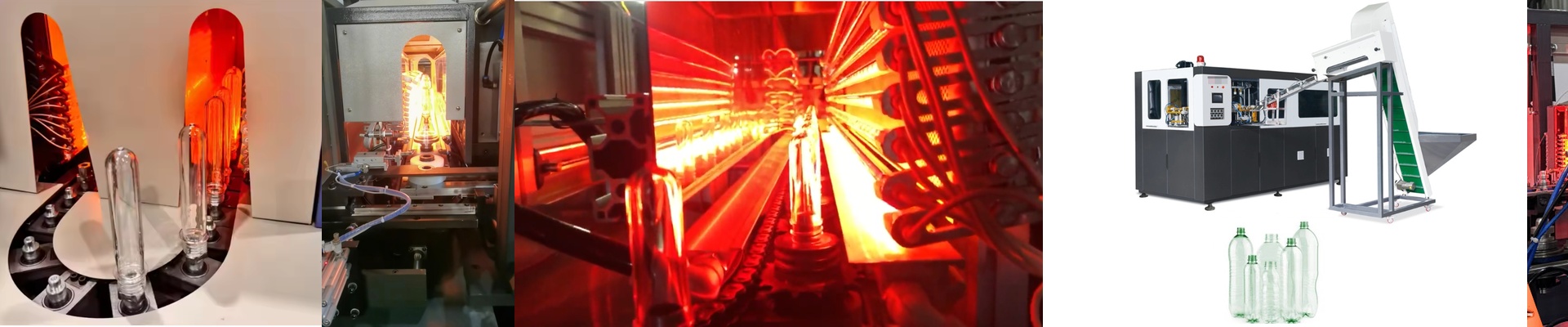
We build the quartz tube protector to match the OEM heating geometry and output on PET machines—short-wave infrared halogen emitters, in standard wattages and voltages. The quartz envelope is built for rapid thermal cycling, and the R7s connector plus end-seal design drops straight into the same heating tunnel footprint as the original. Dimensions, filament placement, and reflector alignment are held to tight tolerances. That’s how you get the heat landing on the preform shoulder and body exactly where the machine expects it.
Why it holds up in production
After a changeover, the heating stabilizes quickly, so you can keep wall thickness and bottle weight consistent across shifts. The faster thermal response supports tighter pitch and higher cavitation without cooking the preform skin—fewer pinholes, and less stress when you get into stretch blow molding. Energy use comes down because the emitter delivers the required energy density without wasted dwell time. The protector also helps keep the heating zone cleaner, so you’re not shutting down for tunnel maintenance as often.
The details you can’t skip
Compatibility comes down to your blow molder model and heating tunnel layout. Sidel, Krones, SIPA, Husky, SACMI, and Nissei ASB all have subtle differences in mounting, spacing, and electrical connections. Before you order, confirm wattage, voltage, length, and connector type. And keep the reflector and terminal ends clean and dry—even a thin film of dust or oil can shift the heating curve and cut service life.