The rush hits the second the doors open. Tickets pile up, baskets clatter, and your crew needs heat—now. When the heating element starts to drift—slower recovery, hot spots, or a full shutdown—everything from crisp fries to golden chicken goes sideways. In a busy commercial kitchen, a down fryer doesn’t just kill one order; it drags the whole line down and eats into your margins. Replacement infrared tube heaters are the practical fix when your fryer has to get back to work, fast. They put radiant heat right where it matters—on the oil—so the frying well climbs back to temperature quickly and holds steady. If your current heater is showing its age, swapping in a purpose-built infrared tube restores the response and repeatability your station depends on.
What matters under the hood
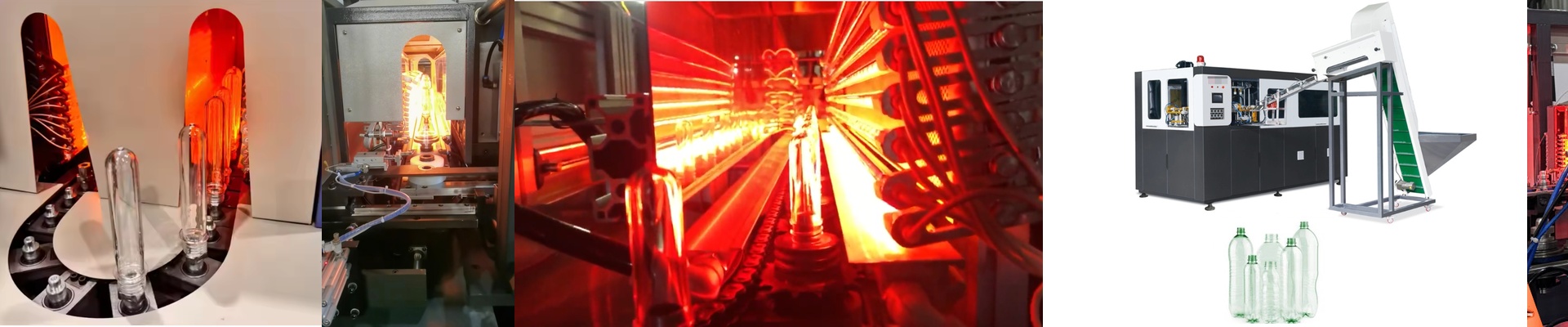
Infrared tube heaters for restaurant fryers work on a straightforward idea: radiant energy heats the oil directly, instead of leaning on air or indirect methods. That matters because oil soaks up infrared efficiently, which translates to faster recovery after a basket drops in and more stable temps through service. We build our replacement tubes for the realities of the line. The quartz envelope handles thermal shock from repeated heat-up and cool-down cycles, and the internal element layout keeps heat even along the full length of the tube. Most configurations run on standard commercial voltages, with power matched to common fryer capacities so the heater recovers quickly without overshooting. Specs you can bank on:
- **Wavelength:**Short-wave infrared for fast response and tight control.
- **Heating Surface:**Full-length radiant output across the fryer’s heating zone.
- **Materials:**High-temperature quartz and alloy elements built for repeated on/off cycling.
- **Mounting:**Terminal ends and brackets sized to standard fryer receptacles—matched to common footprints so install is straightforward. The numbers matter because you feel them in service. Short-wave infrared comes up to operating temperature fast, cutting idle time between orders. Even heat across the tube helps prevent hot spots that drive oil breakdown. In practice, that means fewer temperature swings and a more consistent fry.
Why this works in a fryer station
In a high-volume fryer, speed and consistency keep you profitable. Infrared tube heaters deliver both. **Faster recovery.**When tickets stack back-to-back, the fryer has to snap back to temperature. Radiant heat returns to setpoint quickly after product is added, so your cooks aren’t waiting on the oil. The pace stays steady through the rush, and food quality stays consistent. **Better oil care.**Uneven heat accelerates oil degradation. A properly matched infrared tube spreads radiant output evenly across the frying well, helping the oil heat uniformly. That reduces localized overheating and supports longer oil life—a cost you feel every week. **Reliable output.**Reliability here means fewer surprises mid-service. These tubes are built for repeated thermal cycling, which is just the daily rhythm of open hours. They hold steady through busy stretches, and when one eventually needs replacement, the swap is quick—minimal downtime to get the station back up. **Targeted energy use.**Direct radiant heat focuses energy where it needs to be—into the oil—instead of heating a big volume of air around the fryer. That focused approach can cut wasted energy during service, especially when the fryer is cycling frequently.
The practical details that make the job clean
A replacement infrared tube is straightforward, but a few shop-floor details keep the install smooth. Match the tube to the fryer. Confirm voltage, wattage, and overall length against the fryer’s specs. Even if a tube fits physically, the wrong power rating will underperform or shorten service life. Check the mounting hardware. Many fryers use standard terminal blocks and brackets, but some models have proprietary connectors. Look at the ends and mounting points before you start. If your fryer uses an OEM-specific connector, plan to reuse the original hardware or source the correct adapter. Handle with care. Quartz tubes are tough, but they’re not indestructible. Install with clean hands or gloves so you don’t transfer oils that bake onto the surface, and support the tube evenly during mounting to avoid stress points. Keep the heat managed. The tube runs hot, and clearance matters. Keep it clear of any flammable materials and maintain the airflow the fryer is designed for. That protects the heater and the surrounding components. Know the trade-off. Infrared tubes deliver fast, focused heat, but they can be sensitive to oil splatter and heavy soiling near the ends. Keep the area around the heater clean and wipe down exposed surfaces regularly. That simple habit keeps the tube efficient and extends its life. If your fryer is the engine of your menu, the heater is the spark. When it’s time for a replacement infrared tube, pick one built for the pace of service, the chemistry of the oil, and the reality of a busy line. We make tubes that get your fryer back to work fast, keep temperatures stable through the rush, and deliver the consistency your guests expect.