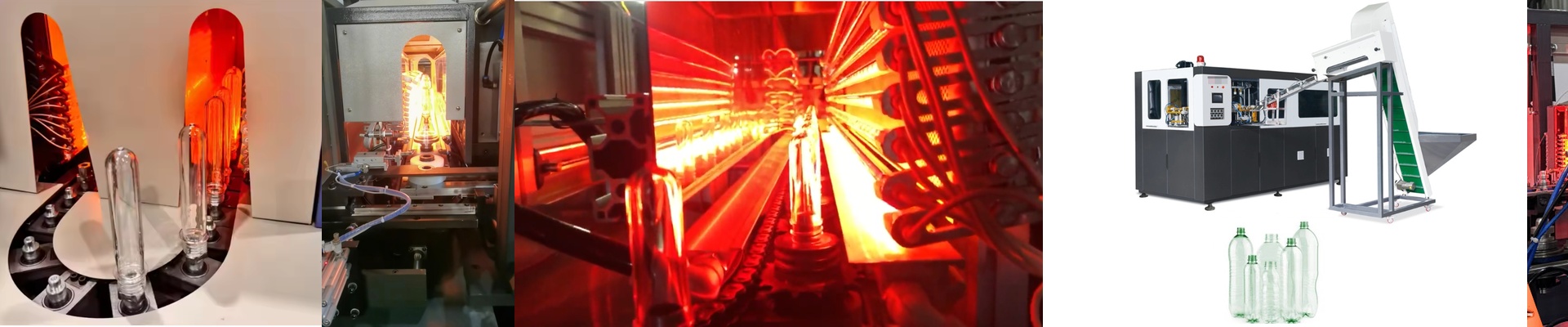

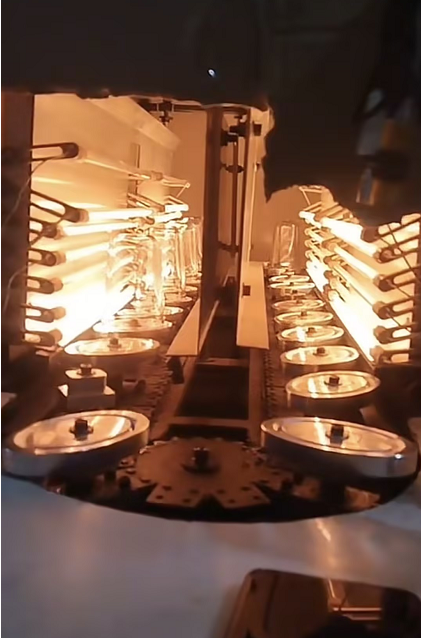
On a SIPA SFL 4/4 linear blower line, the heating tunnel is where the rubber meets the road. Preforms fly through, and the window for even heating is tight. If the IR bulb output drifts or the quartz element ages unevenly, you see it right away: haze, wall thickness swings, and bottles that miss spec. Swapping in a mismatched emitter just adds downtime you can’t afford. We built the SIPA SFL 4/4 linear blower IR bulb to drop in and run like the original. What matters, technically We match the OEM heating architecture with a short-wave halogen infrared emitter in a quartz tube, sized to the SFL 4/4 tunnel envelope and watt density. It runs on the machine’s native voltage, with an R7s base and lead geometry that drops straight into the original socket and reflector—no mods. The output is tuned for PET preform heating, so response is fast and controllable, and temperature stays stable across the heating zones. Every bulb is burned-in and measured to a tight resistance and spectral window, so the first run after install behaves predictably. Why it works on the line In stretch blow molding, repeatability beats brute power. With this bulb, preform heating settles faster after a changeover, and the profile holds steady over long runs, so you don’t chase thermal drift into scrap. The quartz envelope handles the thermal shock inside the tunnel, and the halogen filament design keeps output consistent over time. That means fewer thickness excursions, more consistent bottle weight, and less downtime chasing temperature swings. A few shop-floor notes Installation is plug-and-play, assuming the sockets are clean and the contacts are good. Handle the quartz tube by the base only, and wipe it down before mounting—fingerprints can bake into hot spots. When replacing a worn bulb, expect a slightly longer warm-up to setpoint, so plan a short stabilization window before you sign off on quality. Matching the original wattage and length is non-negotiable—run a different envelope and you’ll get uneven heating and stress the reflector early.