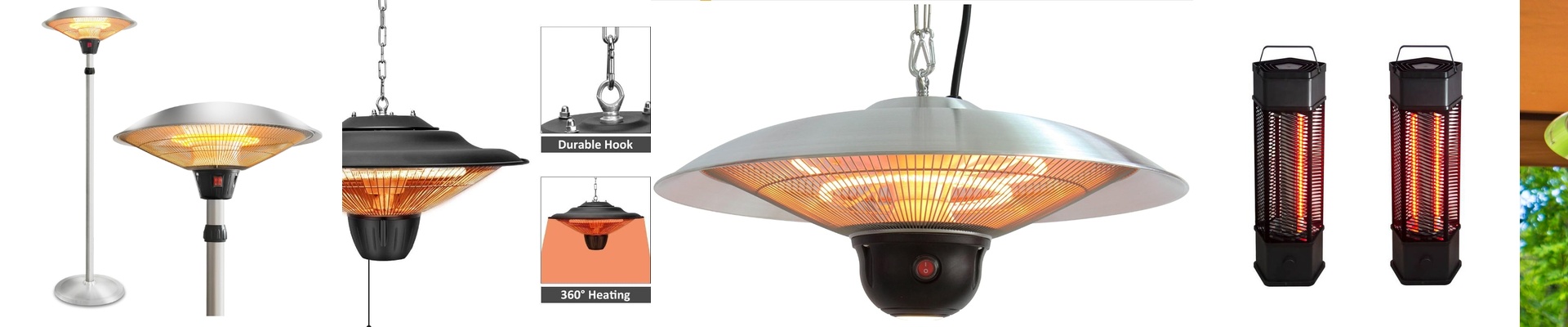
When the rush hits, that griddle surface has to come back fast—seconds, not minutes. If the heat is slow or uneven, you end up holding back on the spatula. The line bogs down. Buns go limp, proteins miss the sear. That’s exactly what the 110V infrared bulb for griddles is built for. It hits the hot zone where you need it, putting out radiant heat so the cooking surface recovers almost instantly after a cold product hits the plate.
What matters, technically
We stick with 110V because it lines up with the circuits on most countertop and under-counter equipment. In most shops, that means no rewiring and no dedicated line. Inside the quartz envelope is a short-wave infrared filament, engineered to heat up quickly and hold steady. In real life, that translates to the bulb hitting target output in seconds, and the thermostat getting a clean, repeatable response. The radiant field lays down a focused hot band across the griddle, giving you a stable temperature window for consistent searing. You get repeatable caramelization on onions, crisp edges on bacon, and a steady hold-temp for burgers—without the swings you see from underpowered or tired heating elements.
Why it works in a busy service
This bulb is the right call when recovery speed and plate-to-plate consistency matter during peak. It keeps the surface responsive, so tickets move without waiting for heat to catch up. Energy use stays sensible, too. It heats the zone it’s meant to cover, instead of dumping output into the air. For bakery and foodservice kitchens, that means fewer underdone items, fewer overcooked sides, and less time chasing the controls.
What to watch for
Installation is straightforward, but clearance is not optional. Keep the bulb at the manufacturer-recommended distance from the griddle surface—protect the quartz envelope and keep the coverage even. Use the specified socket and wire gauge, and make sure your griddle’s thermostat is matched to the element’s response curve. And remember: this bulb is designed for 110V. Run it outside that voltage, and you shorten its life and throw off temperature control.