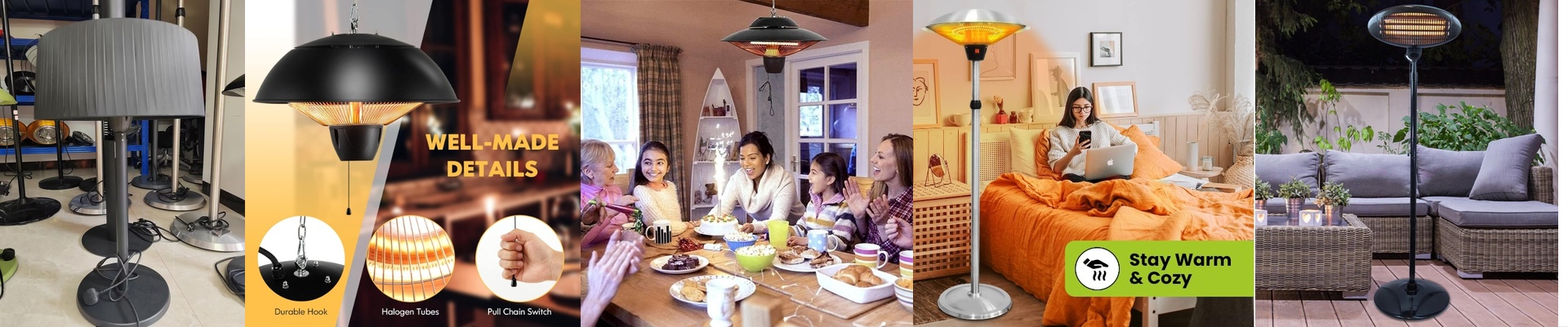
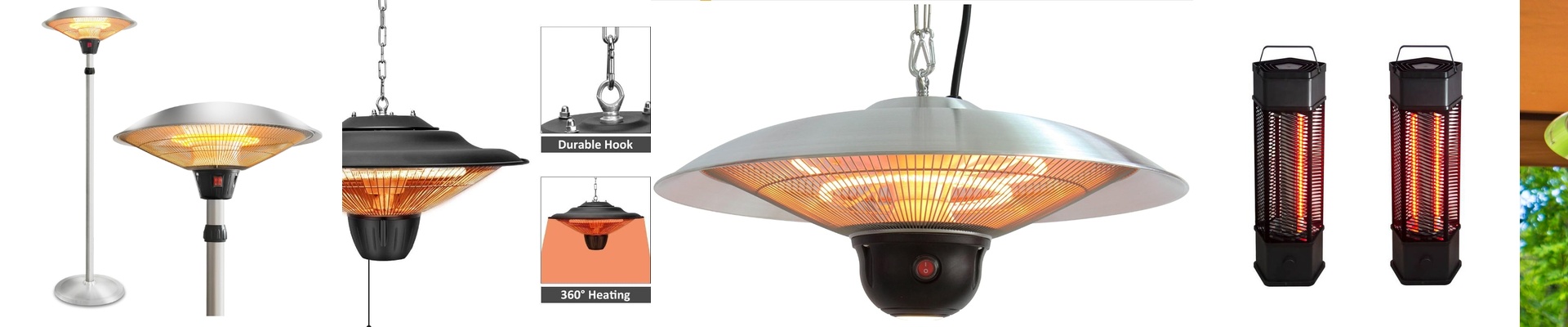

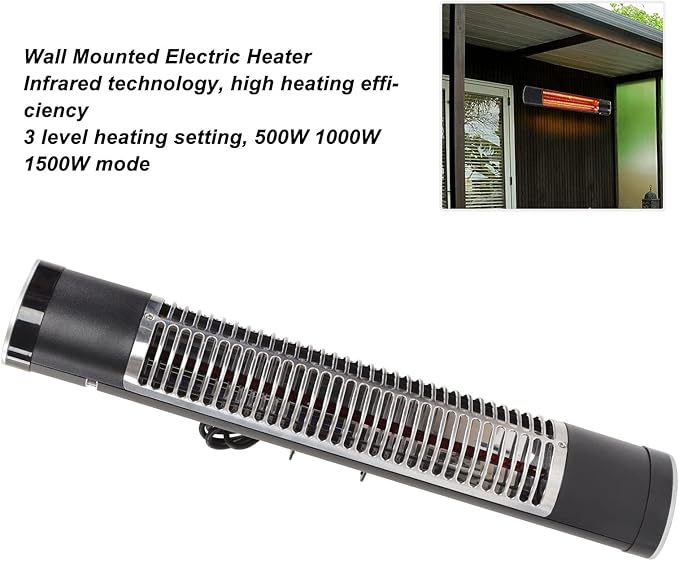
A half-open commercial corridor sits right on the line—one foot in the crisp outdoors, the other in the steady flow of foot traffic inside. When the temperature drops, comfort disappears fast, and so does the patience of anyone waiting in line. Traditional heaters tend to run flat out, throwing energy at empty space. The smarter way is infrared heating that senses what’s actually happening and reacts on the fly. What matters under the hood We build these infrared heaters around sensing that picks up motion and ambient temperature. When the corridor is busy, the unit delivers steady radiant warmth—people feel it right away, not after waiting for air to warm up. When the area goes quiet, the heater drops into standby, so you’re not burning power for nothing. That approach typically trims energy use by 15–30% compared with units that run on a fixed schedule. The heart of it is a high-efficiency carbon fiber element paired with a wide-angle sensor, calibrated to fire only when presence is confirmed. Why this fits a half-open corridor In a space like this, comfort has to be immediate, safe, and economical. Radiant heat warms people and surfaces directly, so guests feel cozy without a lag. Smart sensing keeps the heat on only where and when it’s needed, so you’re not paying for warmth that pours into an empty passage. That matters when you’re running an eco-conscious operation: lower bills, fewer emissions, and a welcoming feel that holds steady for every visitor. It also eases wear on components, which translates into fewer service calls and more uptime. What you need to get right Placement is half the job. For coverage that makes sense, mount the heaters 2.0–2.5 meters high, with the sensor angled across the main flow path—keep it out of drafts and away from direct glare. These units are designed for hardwired installation on a dedicated circuit; plug-in options can be limited by cord length and local code. In windy spots, choose sheltered mounting or a higher IP rating to keep sensing consistent and protect element life. Run the layout with your electrician up front, and you’ll get steady comfort from day one.