Introduction
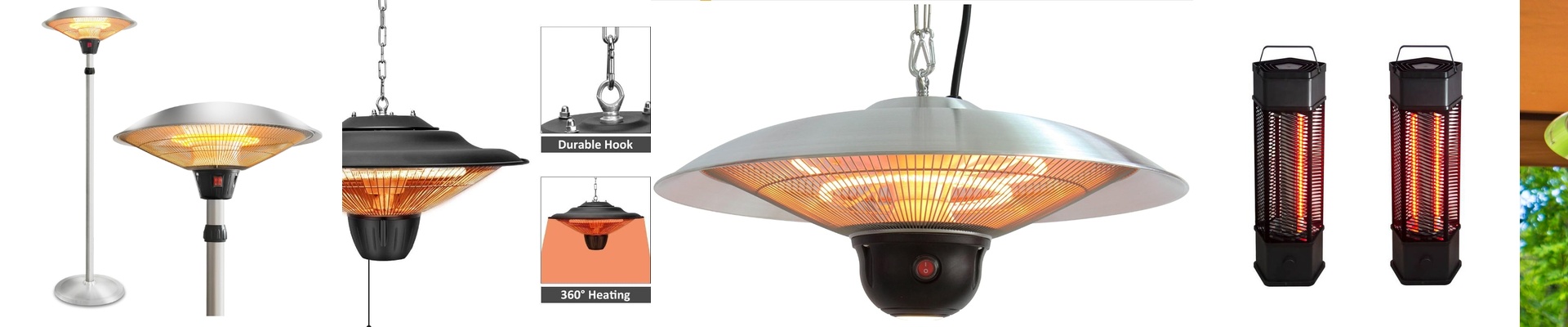
Here’s the thing: we build electric heaters. Specifically, quartz tube heaters. And they’re made for one purpose—to give you intense, controllable heat, right where you need it in your industrial setup. We know your space is tight and your heat profile is exact. So we design these units to work within those real-world limits. No wiggle room. Just practical engineering that fits.
Power, Voltage, and Size: The Why Behind the Numbers
It all starts with power. When we say a heater is 2500W at 400V, that’s not a random pick. It’s a smart way to pack serious heat into a small space without overloading the element. Higher voltage means lower current for the same wattage. That keeps wires and connections manageable—no oversized parts, no stressed contacts. And the 300mm length? That’s about balance. Enough surface area to create a stable hot zone, but compact enough to slip into cramped stations and tooling.
The Build: What’s Inside Matters
We use quartz because it can handle sudden temperature swings without breaking. It stays steady, even when things get scorching. Inside, the halogen elements keep output consistent over time, so your process stays repeatable. The coating isn’t just for looks. It’s a shield against oxidation and contamination, which matters when you’re dealing with airborne residue or humid plant air. And the connectors—R7s and Sk15—are chosen for one reason: they make installation simple. They give a solid, stable connection, so replacing a heater feels like a quick, easy job, not a headache.
Real-World Use: Heat That Keeps You Moving
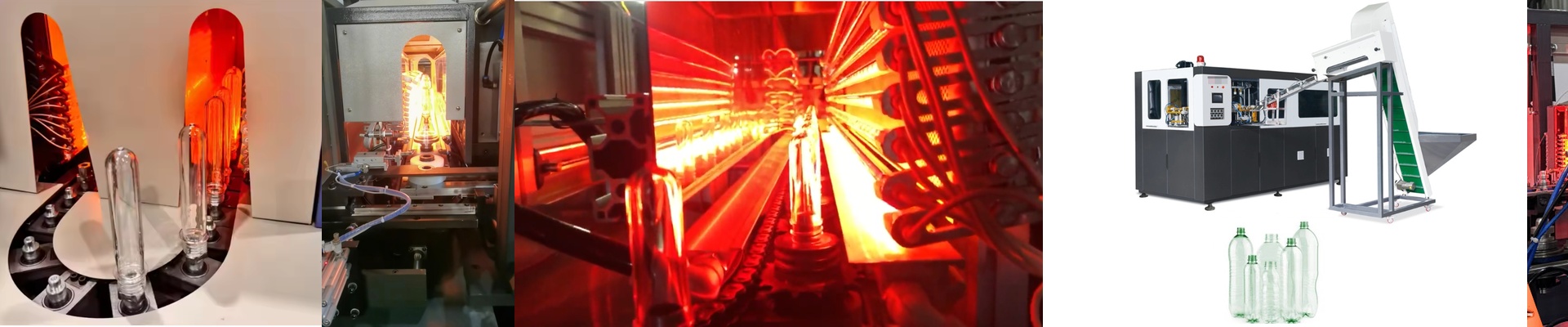
In PET blowing and similar processes, you need heat that’s predictable and reliable. These heaters warm up fast and deliver focused heat, so your cycle times stay steady. But there’s a trade-off. High power density means you need proper cooling and spacing. If your cooling is too small, the heater runs hotter than it should—and that cuts its life short. Get the setup right, and it just works.