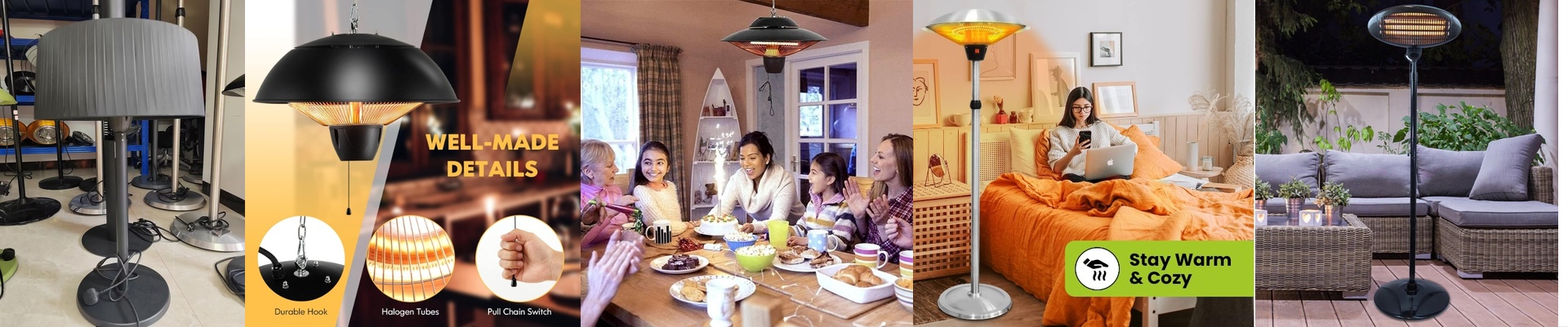
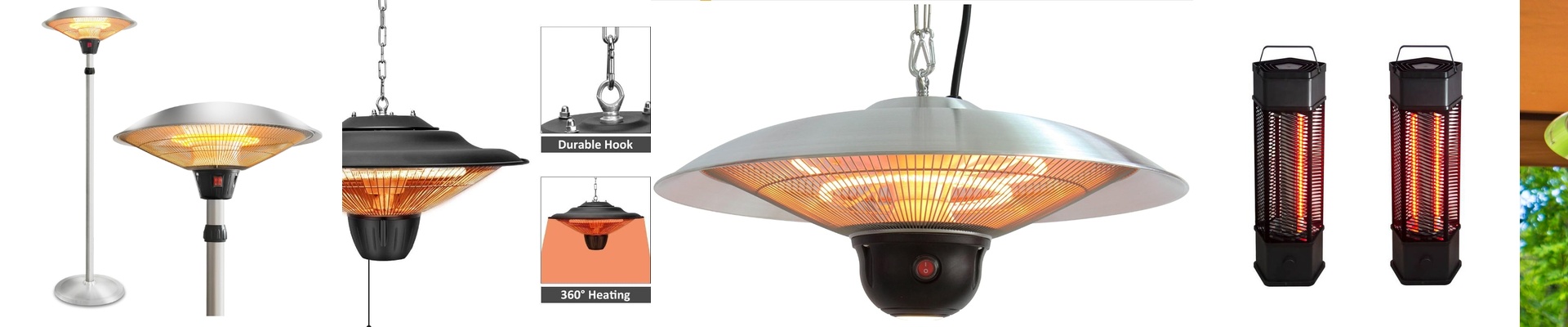
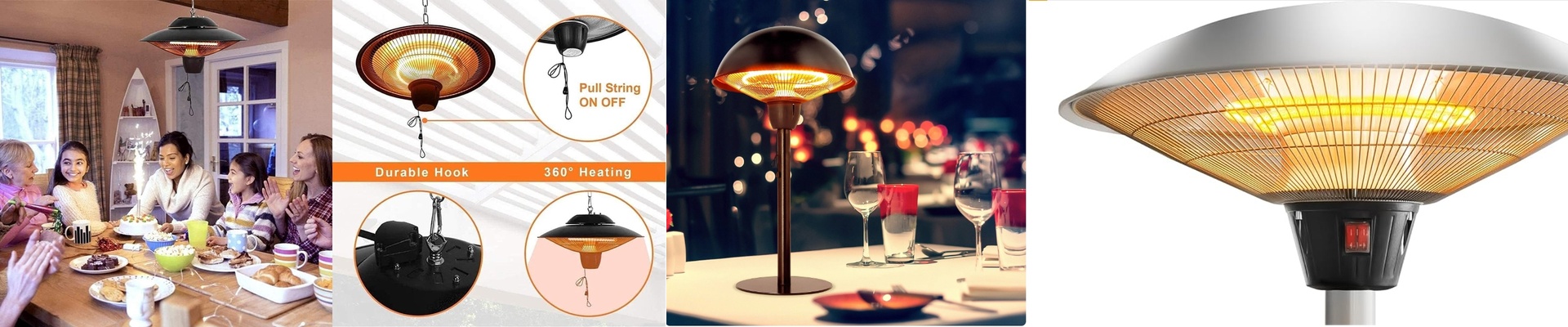
When a room turns stubbornly cold, forced-air units just stir up noise while your feet stay numb. You want warmth that lands where you are and moves with you. That’s what an oscillating space heater is built for—instant radiant heat that sweeps the space instead of sitting in one corner.
What matters under the hood
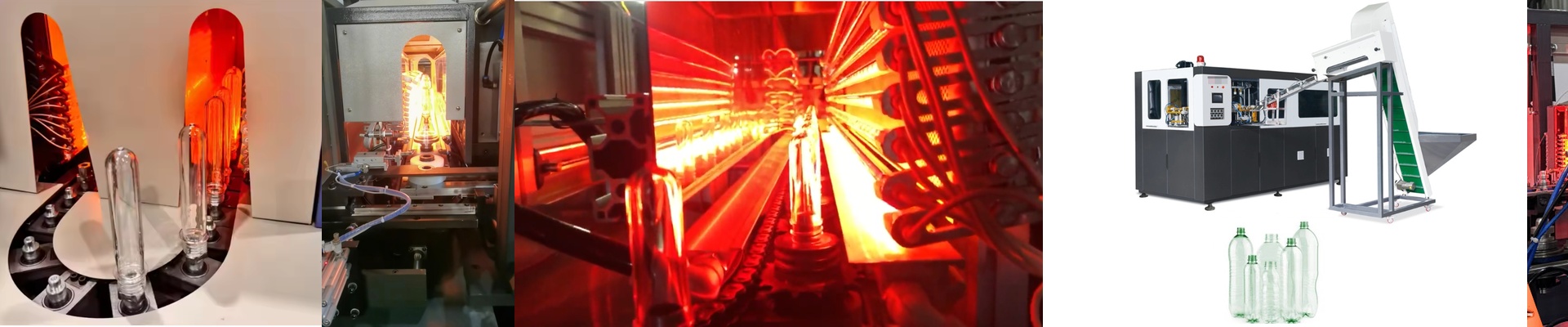
We build these around a carbon fiber element inside a quartz tube. The payoff is fast heat-up and even output. You feel infrared warmth within seconds, not minutes. The oscillation isn’t a gimmick. It’s a 180° rotation that spreads the radiant beam across a wider angle, so one heater can cover a living area, a workshop, or a drafty hallway without hot and cold spots. Typical power sits around 1,200–1,500 W on a standard 120 V outlet. That’s enough to warm a personal zone without forcing your whole house system into overtime. A built-in thermostat holds the comfort level you set, and tip-over protection shuts the unit off if it gets bumped.
Why it works in practice
In real use, it’s straightforward: you feel the heat faster, and you keep feeling it as you shift position. In a living room, that means fewer blankets and more relaxed evenings. In a workshop or garage, it means you can keep working without stiff hands. Because the warmth is directional and localized, you’re not heating empty space—just the area you’re in.
The details that make the difference
Placement matters. Keep the heater at least three feet from combustibles, and don’t run it in damp areas unless it’s rated for it. The oscillating motion widens coverage, but it also means the heater needs clear space around the base so it can rotate without obstruction. And while the heat arrives quickly, walls and floors still warm more slowly. Pair the heater with a closed door to keep the warmth from drifting away.