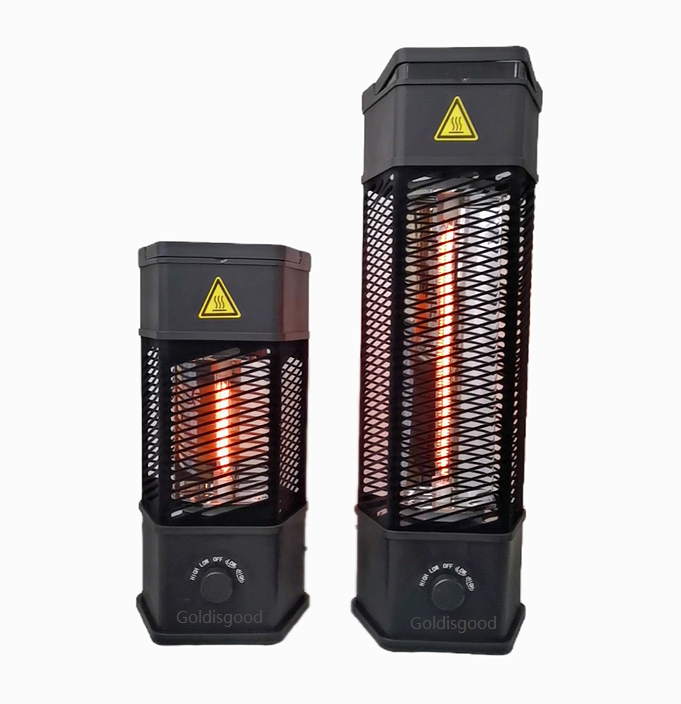
Technical Deep-Dive: Power, Voltage, and Dimensions
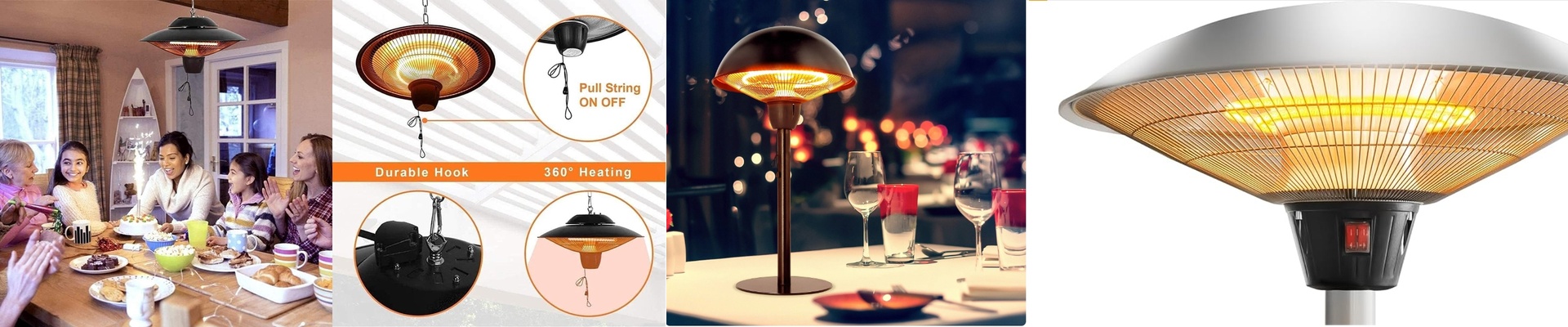
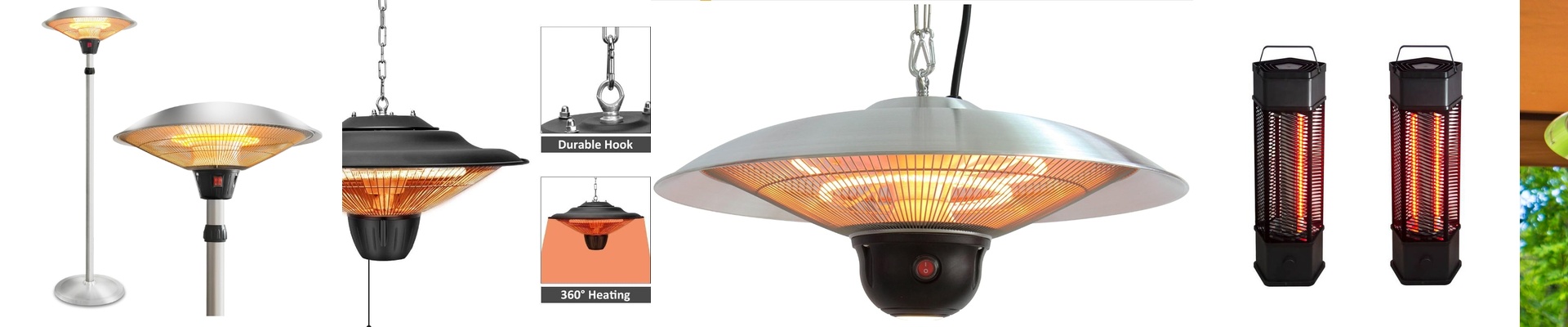
Here’s the thing about our wall-mounted patio heaters: we built them around high-intensity halogen lamps. Why? Because they give you heat—instantly. It’s directional, focused, and doesn’t take up a ton of space. We land on a 2500W rating, running on either 230V or 400V, because it lets us pack a lot of warmth into a short 300mm quartz tube. That means you can mount the heater right where people gather, without needing a bulky enclosure. And when we offer higher voltage options, it’s not just a technical detail—it helps keep the current lower for the same wattage. In practice, that means wiring stays manageable, conductors stay sized appropriately, and terminals don’t get stressed during hard wiring.
Material & Design: Quartz, Coating, and Connectors
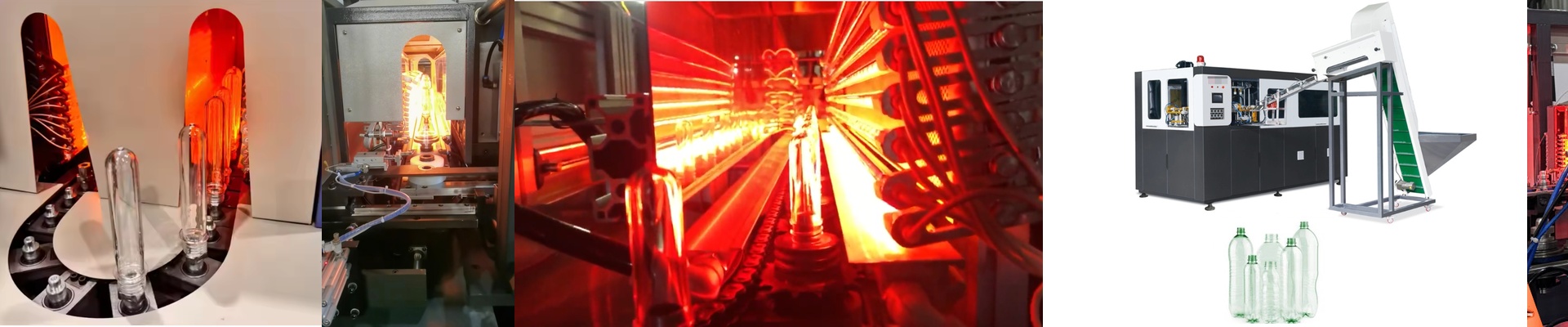
The heart of it is the quartz tube, running a halogen cycle. It handles sudden temperature changes without cracking, and it keeps output steady over time—no fading, no fuss. On the back, we add a reflective coating that redirects infrared energy forward. So you get more usable heat where you point it, and less of it spilling sideways where you don’t need it. Then there’s the R7s connector. It’s a practical, straightforward choice for this design. It gives you a secure, straight-through electrical connection that holds up to vibration and the constant push and pull of heating up and cooling down. And if something ever needs replacing out in the field, it’s simple to swap.
Application & Benefits: Outdoor Comfort with Installation Discipline
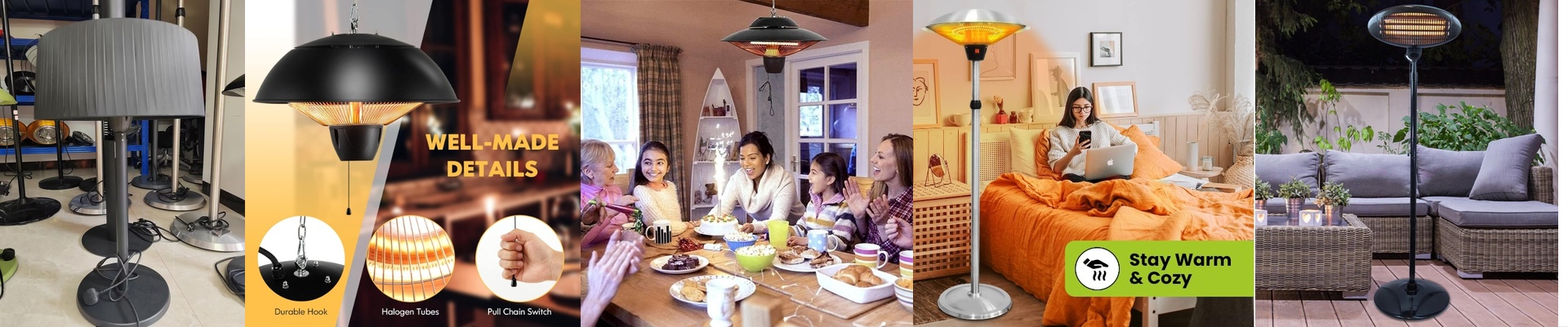
Outdoors or in semi-outdoor spots, these heaters don’t waste time warming the air. They warm people directly. So even when the air feels chilly, you feel that immediate comfort. Mounting them on the wall keeps floor space clear and puts the heat right where your guests are. But there’s one point to keep in mind: that concentrated 2500W output needs proper planning. Clearances matter. Ventilation matters. If you don’t plan for heat rejection and the right mounting distances, nearby materials and controls can end up running hotter than you’d want.