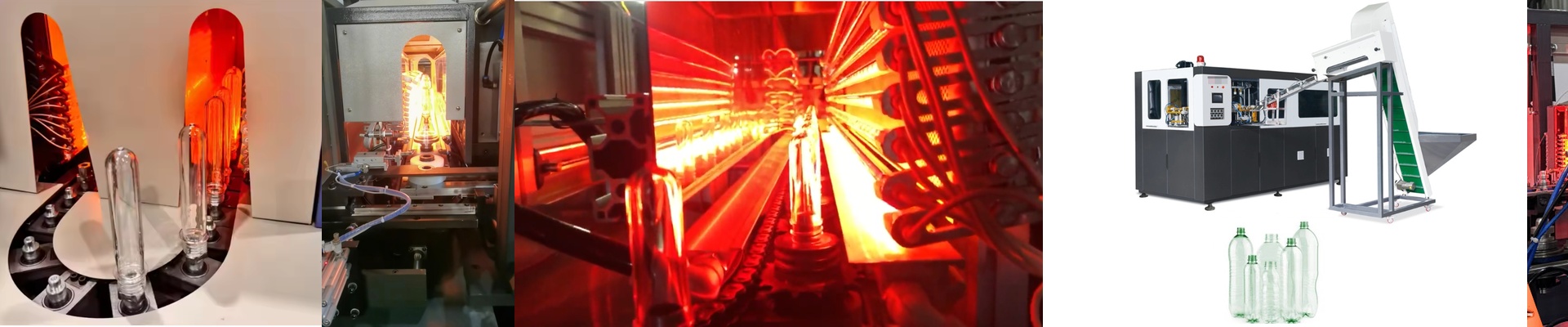
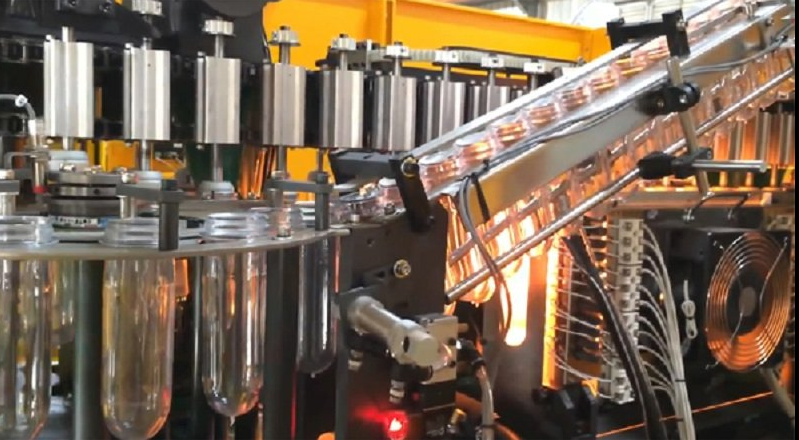
On the blow molding line, heating drift doesn’t show up with a warning light. It shows up as rejects, stretch that feels off, and a heating tunnel that keeps chasing setpoints while the clock keeps ticking. When an infrared heater lamp goes down, the ceramic connector is usually the overlooked weak link. It carries the current, takes the thermal cycling, and keeps the lamp seated exactly where the reflector expects it. Get that interface wrong, and you’ll see uneven preform heating — and the blow molder’s repeatability goes with it.
What actually matters, technically
We build the ceramic connector and infrared lamp as a matched set: the emitter, the termination, and the heating-zone geometry of the machine. We run short-wave quartz infrared emitters with fast thermal response, typically 2400–3000 W and 100–240 V. They’re sized to standard lamp lengths, commonly 300–400 mm, so they drop straight into existing reflector assemblies. The ceramic connector is engineered for high-temperature stability, with tight contact resistance and a mechanical fit that holds alignment. The output is tuned to the preform’s absorption band, so the energy goes into heating the material, not the air.
Why this works in stretch blow molding
In stretch blow molding, the heating profile has to repeat, cycle after cycle. A lamp that sits true, stays stable, and delivers consistent watt density means fewer temperature swings across the preform wall. That translates into less thinning, fewer pinholes, and more bottles that meet fill requirements. You also get longer run intervals. These lamps are designed to run 5000+ hours with minimal output drop, so you spend less time opening the heating tunnel and more time producing. Energy use comes down because the reflector and emitter work as a system, not a patched-in heat source.
The details that make the difference
Installation is straightforward, but the details still matter. Confirm your blow molder’s lamp holder type — commonly R7s — along with the exact lamp length and the voltage and wattage stamped on the OEM heater. Match the mounting geometry. If the lamp sits off-axis, the reflector won’t focus the energy where it needs to go. Expect a short warm-up period for the ceramic connector to stabilize under thermal load, and keep spares on hand for planned changeouts. When the specs line up, the result is simple: predictable heating, stable output, and a blow molder that runs the way it was designed.