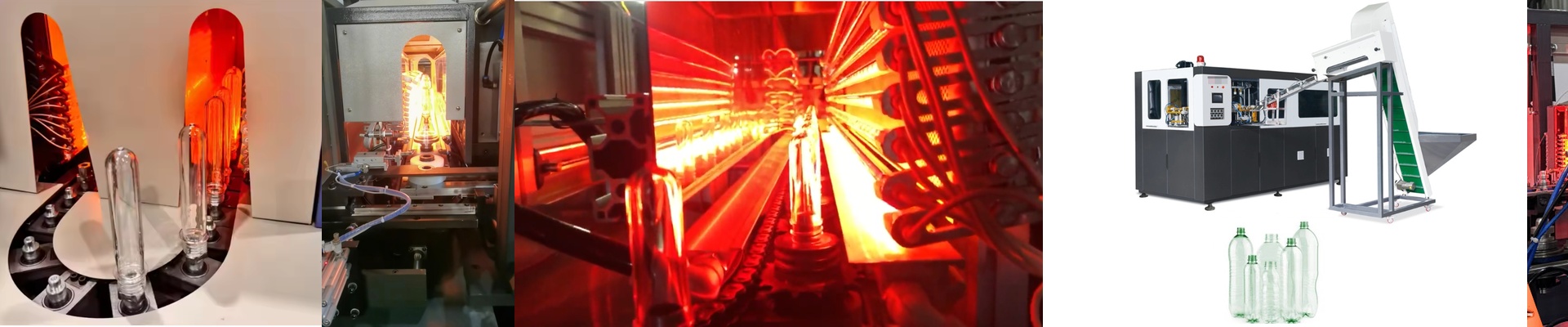
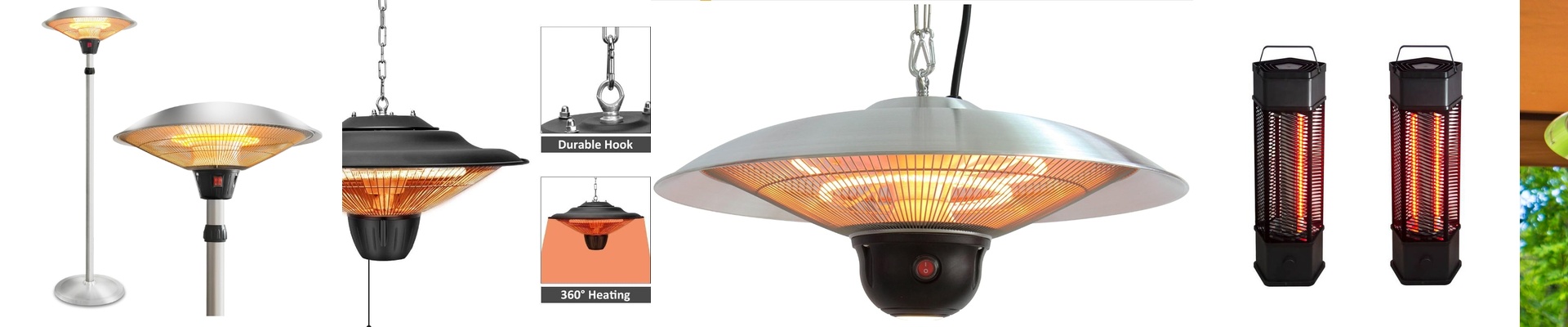
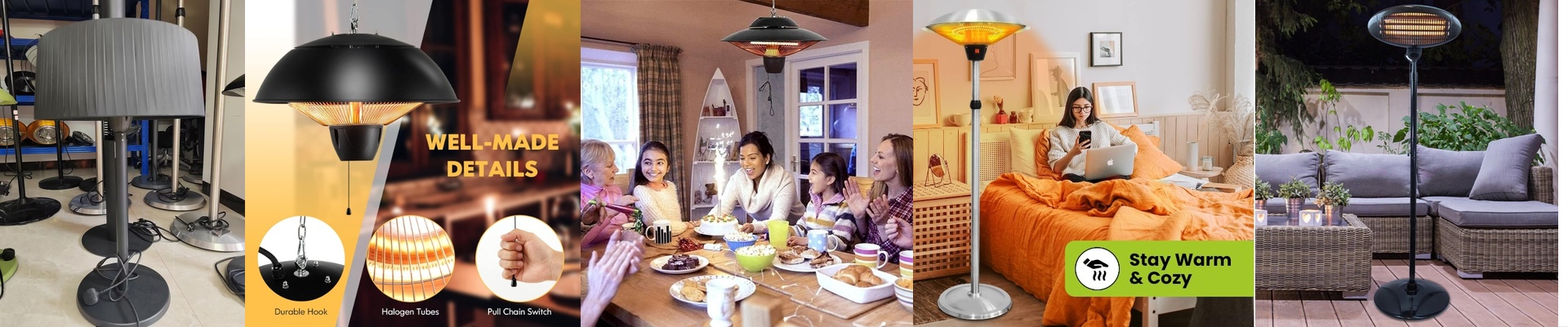
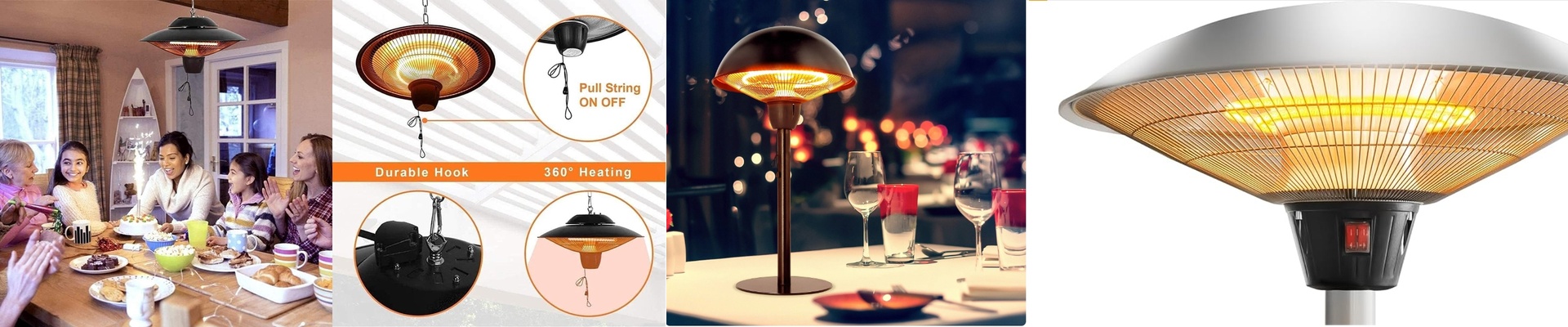
When the rush hits, you can’t afford a warming display that plays chase with temperature. You need heat that hits immediately, holds steady, and spreads evenly across every pan. An infrared warming display turns that from a hope into a repeatable routine. What’s actually happening under the hood Infrared warming runs on radiant energy, so the heating element delivers heat straight to the food and the pan—not the air around it. That means instant response, no warm-up lag, and tighter temperature control because the system isn’t fighting constant air exchange. The output stays consistent across the emitting surface, so coverage is even and you don’t get hot spots and cold edges. In practice, that translates to stable holding temps, predictable texture, and fewer swings when service is slammed. Why it fits front-of-house work In a busy front-of-house setup, speed and consistency are what matter. An IR warming display keeps soups, sauces, and prepped dishes at target the moment you slide them under the lamp, so plating stays fast and the mouthfeel stays right. The radiant heat holds heat without overcooking, which protects moisture and flavor. Energy use stays disciplined, too—the heater works on demand and recovers instantly after the door opens, so your workflow keeps moving without waiting for the cabinet to climb back up. What to get right on the install Infrared warming performs best when the heater, pan, and food are matched to the holding temperature and the exposure distance. Clearance matters. Keep the recommended distance from the heating element to the pan surface so heat distribution stays uniform. Plan for proper ventilation and electrical load, too. These heaters deliver concentrated heat, and the surrounding cabinet can get warm, so airflow plus a dedicated circuit prevents overheating and keeps the unit reliable through long service windows.