

Why we put our bathroom heaters through a “torture test”
Let’s be honest: bathrooms are absolute nightmares for electronics. You’ve got steam everywhere, random water splashes, and huge temperature swings. It’s a recipe for disaster. If a heater isn’t built right, the seals give out, the circuits fry, and you’ve got a dead unit on your hands. Now, we use IP66-rated enclosures to keep the dust and high-pressure water out. But here’s the thing—a rating on a spec sheet doesn’t actually mean anything until it’s tested in the real world.
The hidden danger of damp heat
Moisture is sneaky. It doesn’t just sit on the surface; it finds a way in. Over time, water vapor seeps into the housing and starts eating away at the terminals. It ruins the insulation on the heating elements. That’s how you end up with leaking currents or a total burnout. Not a great experience for anyone. To stop that from happening, we put every single batch through damp-heat aging tests. We basically simulate a “worst-case scenario” bathroom—extreme humidity and sudden heat spikes—to force the units to fail in our lab. We’d much rather find a shrinking seal or a bit of corrosion here than have your customer find it during a shower. If the seal buckles under the heat, it’s out. Simple as that.
The balancing act
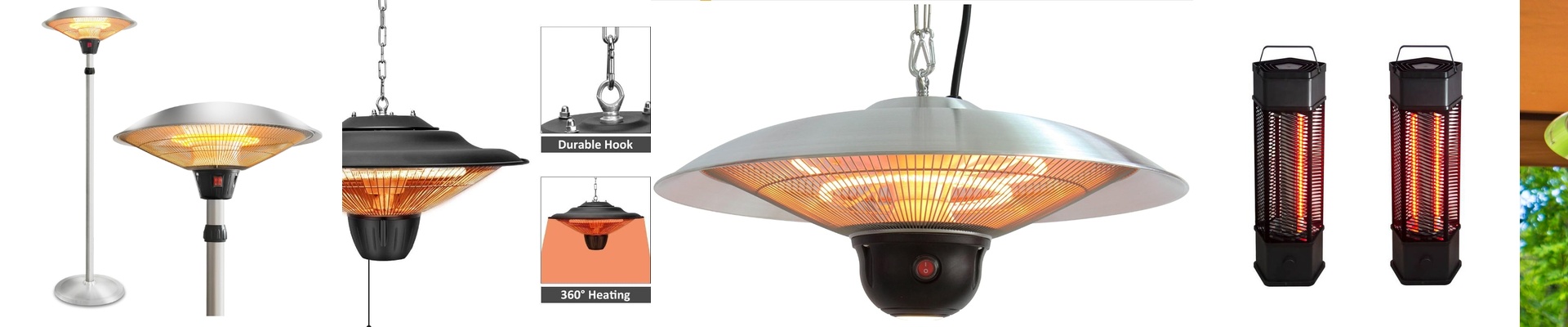
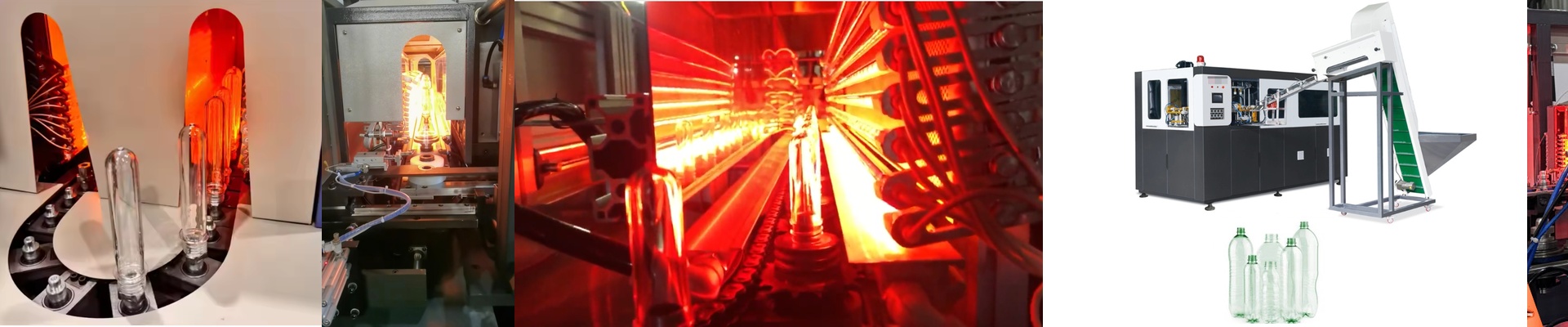
There’s a tricky trade-off we have to manage: heat vs. waterproofing. Because an IP66 seal is airtight, the heat inside has nowhere to go. If we just crank up the wattage without thinking about the “thermal soak,” the internal parts will literally cook themselves. We spend a lot of time balancing the output of the infrared emitter with the thickness of the housing. The goal? The heat projects forward to keep you warm, but the chassis stays safe to touch.
The reality of the shop floor
You can find cheap heaters that look waterproof. They might even work for a few months. But usually, after one brutal winter of heavy steam, they quit. We don’t do that. We obsess over the gaskets and the quality of the potting compound. We want these to be “set it and forget it” products. No one wants to pay a technician to come out every six months just to fix a tripped breaker.