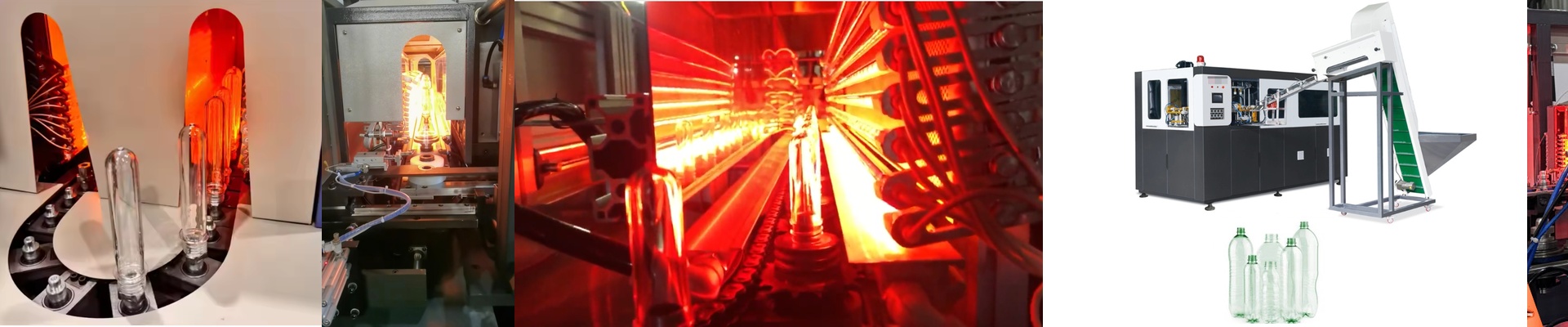
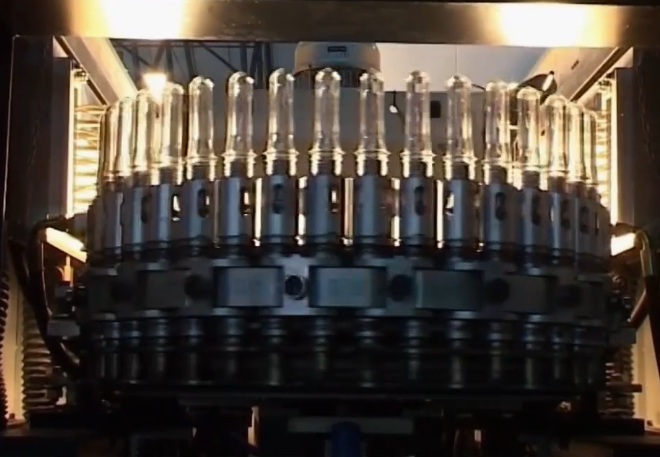
On a high-speed blow molding line, the heating tunnel is where you lock in preform temperature before stretch blow molding. When an infrared radiator goes down, you don’t just lose a spare—you lose control of heating uniformity. The fallout shows up fast: uneven bottle wall thickness, crystallization problems, and scrap spiking. What matters under the hood We build our PC preform oven infrared radiators around short-wave halogen/quartz technology, because it responds quickly and holds output steady in the heating tunnel. Each unit is engineered to OEM-equivalent specs: standard voltages (often 230V), rated wattages matched to the original emitter, and R7s connectors so they plug in clean. The quartz envelope heats up fast, and the filament layout is chosen to deliver repeatable spectral output across the preform body. In practice, that means you can hit the required preform temperature profile with less drift over time. Why this fits the process In stretch blow molding, temperature is the first variable you have to nail. These infrared radiators are calibrated to match the heating zone demands of blow molders—whether you’re running Sidel, Krones, SIPA, Husky, SACMI, or Nissei ASB. When emitter performance stays consistent, heating variability drops, output stabilizes, and you see fewer off-spec bottles. Energy use is also easier to manage, because output is predictable and warm-up behavior repeats. A few shop-floor reminders Installation is straightforward, but don’t overlook the oven reflector condition. If it’s pitted or oxidized, delivered energy drops—even with a brand-new radiator. And always verify wattage and voltage match your machine’s heating zone design; mismatched emitters shift the temperature curve and can trigger quality excursions. Plan replacements around scheduled maintenance windows, and keep a spare set on hand to minimize downtime.