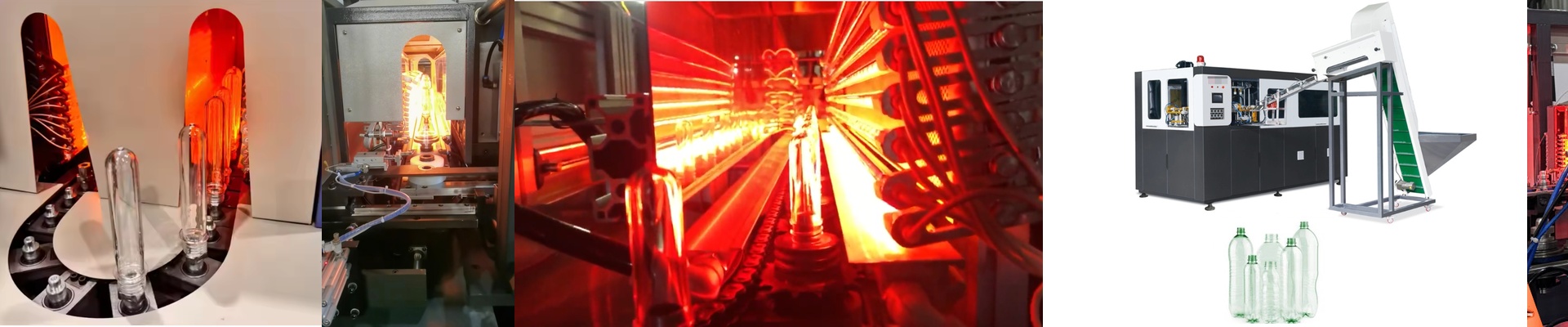
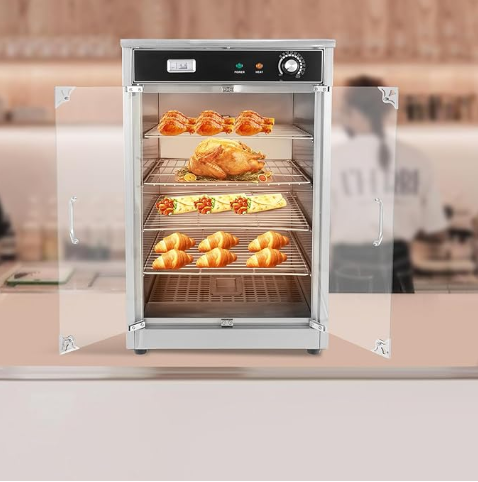
When the rush hits, you can’t afford food going cold before it hits the pass. In a deck oven firing pizza after pizza, or on a convection line holding pans of pre-cooked items, holding heat isn’t a perk—it’s the difference between consistent texture and on-time service. A bakery oven IR heater keeps food hot with direct, controllable energy that preserves crust structure instead of drying it out. What we built it around We spec this IR heater with quartz elements for fast response and even radiant output. In practice, that means the baking chamber snaps back to holding temperature after the door opens, so you’re not chasing swings on the thermostat. The unit is sized to fit standard oven cavities and runs on common commercial voltage, with a solid terminal block and shielded wiring for day-after-day reliability. Infrared energy targets the surface directly, so you get fast heat-up without cooking the oven’s outer skin. Why it makes sense in real service On pizza service, the stone hearth holds heat, but toppings and finished pies still need a top-up to stay melt-ready. For bread service, you want crust crispness without turning the interior gummy. This IR heater keeps holding zones steady, so you can stage baked goods without losing quality. It also handles food warming on prep lines—sandwiches, roasted vegetables, proteins—without the drying blast of forced air. Fewer re-fires, fewer waste tickets, and a calmer kitchen when it’s peak. What to watch for IR heat performs best when the oven cavity and door seals are in good shape; gaps let radiant energy escape and can create uneven holding. Installation has to follow the oven’s rated load and clearance requirements, and the element should be matched to the oven’s control strategy. Plan for a clean, dry power source, and keep the heater face free of grease buildup during service so output stays consistent.