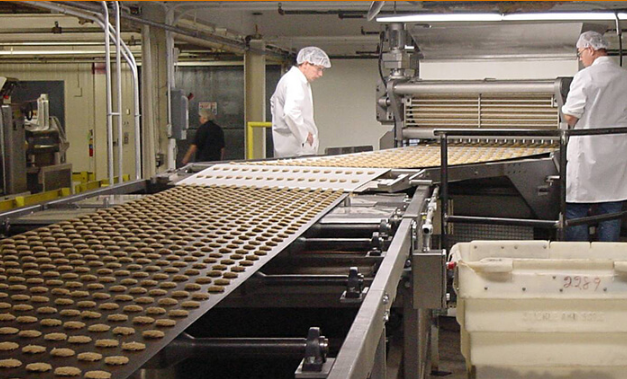
Getting That Perfect Crust: The Secret to Industrial Heat Bridges
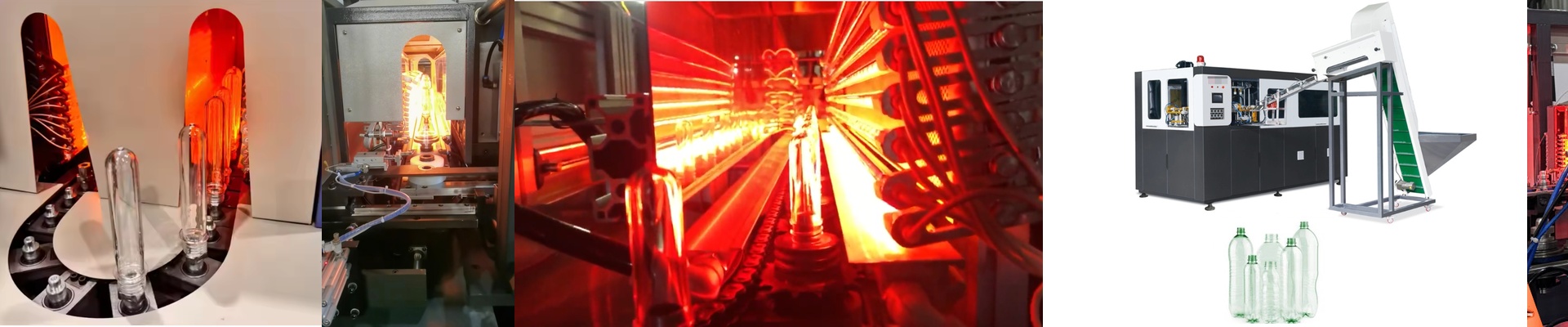
Ever wonder how a bakery gets that perfect contrast—a crust that snaps when you bite it, but a center that stays soft and airy? It’s all about how you handle the heat. Most people think of convection, but heating the air is too slow. We use short-wave infrared (IR) instead. Think of it like the sun on a summer day. It doesn’t warm the air first; it hits your skin directly. Our IR emitters do the same thing to the dough, searing the outside and locking in the moisture before the middle has a chance to dry out. The Magic of the Sear To get that professional brown, you need a lot of power packed into a small space. That’s why we use high-wattage lamps. When you pop in a high-voltage replacement, you’re basically flooding the dough with energy. This kicks off the Maillard reaction—that’s just the fancy term for the browning process—the second the bread hits the heat bridge. It happens fast. Really fast. Quartz and the Trade-offs We build these tubes out of high-purity quartz. Why? Because these things get incredibly hot, and regular glass would just shatter. We also use a halogen cycle to keep the filament from burning out too soon, so you aren’t replacing lamps every other week. Now, you’ve got two choices here: clear or coated. Clear quartz is the speed demon. It reacts instantly. Coated tubes, on the other hand, shift the heat to a medium wave. These are better if you’re working with thicker doughs that need a deeper soak of heat, though they take a bit longer to warm up. Keeping Things Running We made these as drop-in replacements. We use standard R7s connectors because nobody wants to spend their Saturday rewiring an entire oven. But a quick heads-up: these lamps put out a massive amount of heat right at the sockets. If your housing doesn’t have good airflow, you’re going to melt your wiring insulation. It’s a mess you don’t want to deal with. Also, do yourself a favor and wipe down your reflectors every few months. Bakery grease is a nightmare, and once it builds up, your efficiency tanks. Keep them clean, and the heat goes exactly where it should—into the bread.