
Why Our Gold-Coated Infrared Lamps Hit the Mark—Fast
We build gold-coated heat lamps for engineers who simply can’t afford lag. When your process needs pinpoint temperature control, fast response isn’t a perk. It’s the whole point.
Power, voltage, and size—kept practical
A low thermal inertia infrared lamp needs to dump serious heat fast, without hoarding energy. That’s why we spec these at 400V. Higher voltage means lower current for the same power, so your wiring takes less stress and your control circuits stay cleaner. Packing 2500W into a compact 300mm tube concentrates the output in a small footprint. You hit target temperature quickly, without turning the whole machine chassis into a heater. There’s a trade-off, though. The hotter the watt density, the more heat you have to manage. So your cooling and mounting setup needs to be ready for that extra ambient load.
Materials and design—built to stay steady
The core is a quartz envelope. It handles rapid thermal shock and keeps transmission stable in the shortwave band. And that gold coating? Not just for looks. It reflects infrared energy back along the target path, so more heat goes where you want it. Less waste. Less heat bleed onto nearby components. For connections, we use R7s or SK15 terminations. They lock in alignment and hold contact through vibration and thermal cycling—exactly what you need when you’re wiring a hot zone that takes a beating.
On the factory floor, where seconds matter
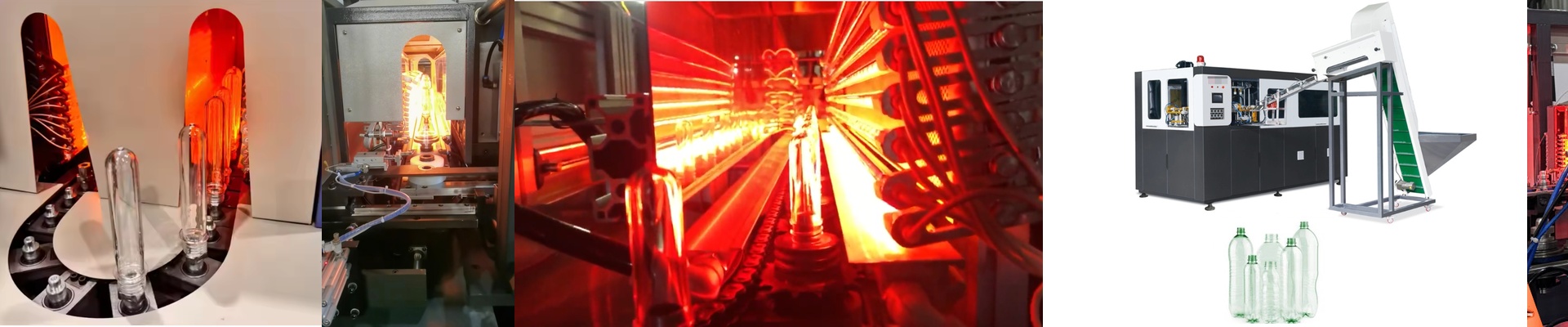
In processes where temperature has to follow a moving profile—sealing, forming, curing—seconds count. A lamp that jumps to setpoint and changes output cleanly gives you control you can count on, cycle after cycle. Less thermal inertia means less mass to heat and cool. That tightens the loop your controller sees, so adjustments feel immediate, not sluggish. We designed this setup to drop in and perform predictably: rapid response, stable output, and terminations tough enough for real shop-floor conditions.