12V/24V Electric Heaters: Heat Where You Actually Need It
We build 12V and 24V electric heaters for one simple reason: to get process heat where standard wall power just isn’t an option—or isn’t safe. These heaters run straight off battery banks, a vehicle alternator, or a dedicated DC power supply. The result? Clean, simple control circuits that stay isolated from high-voltage systems.
Power, Voltage, and Size—Why It All Looks Different
Here’s the thing about low voltage: it forces a different kind of design. For the same wattage, you draw a lot more current. So we use thicker conductors and solid terminations to keep voltage drop and hot spots from sneaking up on you. We don’t size the heater around what outlet you have. We size it around what your process actually demands. And the length? That’s chosen to match the spot that needs heating. A compact footprint concentrates heat density. A longer element spreads the heat over a bigger area.
What’s Inside—And Why It Matters
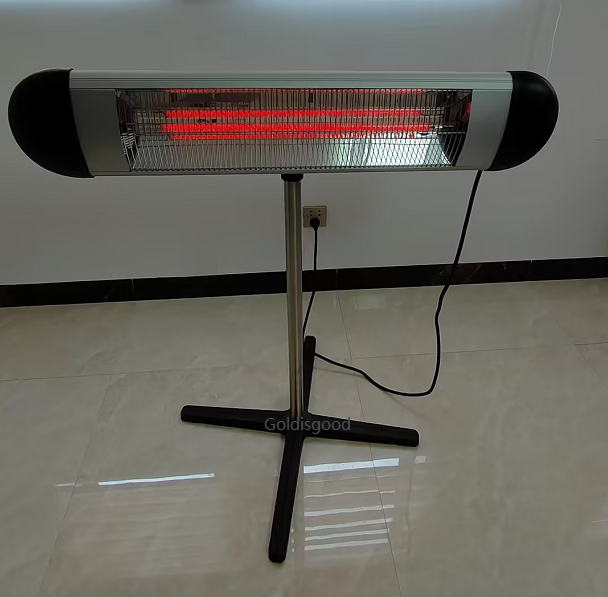
We lean on halogen technology inside a quartz envelope because it delivers intense infrared heat in a small package—and the quartz handles rapid heating and cooling without complaining. A reflective coating keeps the energy moving forward and helps shield nearby parts from getting roasted. And the connectors—often R7s or SK15—aren’t random. They’re chosen for secure contact, repeatable alignment, and quick replacement when it’s time to swap something out. These heaters are meant to drop in and get to work, even in tight, demanding spots.
Where They Shine—And What To Plan For
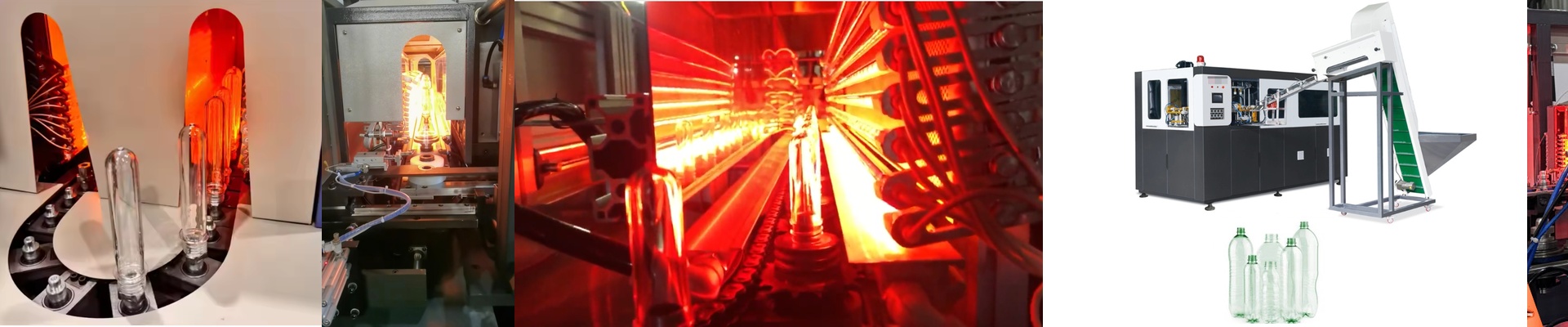
You’ll see these heaters spec’d for jobs like PET blowing, plastic pre-heating, and localized heating on mobile equipment. The payoff is fast warm-up and heat that stays focused exactly where you need it. But there is a trade-off: wiring. At low voltage, you have to run heavier gauge cable and keep connections clean and tight. Make sure your power supply is rated for the full load. And plan for thermal management—when heat density is high, you need enough cooling or spacing so nothing starts cooking itself.