Why getting the details right matters
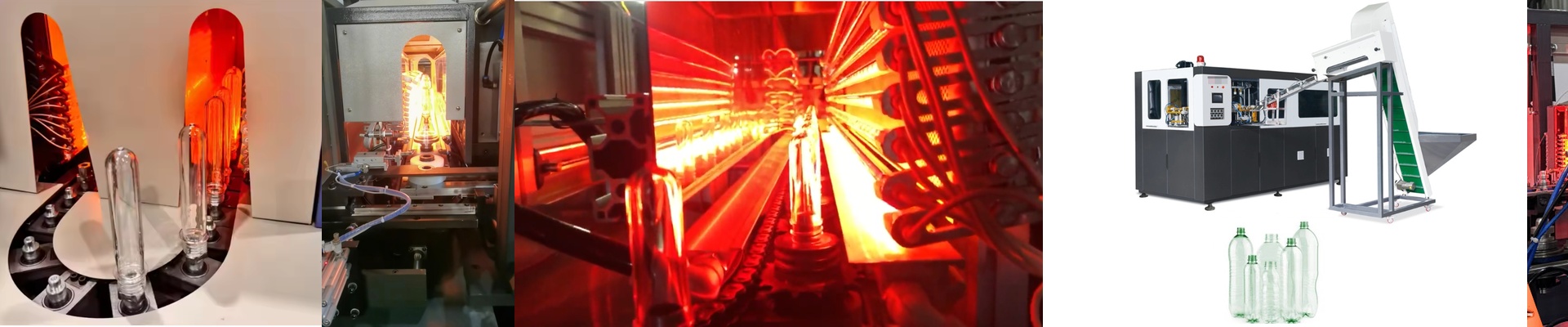
We built this 380V, 2000W infrared lamp as a straight swap for Krones lines and Sidel Matrix machines. The whole point is simple: match the original heat profile. When the heat behaves the way the machine expects, your bottle quality stays consistent and your cycle times don’t drift. So we dialed in the wattage and voltage to hit the exact heat density the system was designed for. If the voltage is wrong, the control loop spends all day chasing the setpoint. If the wattage is off, your PET heating becomes unpredictable.
Why 380V and 2000W?
The 380V input lines up with how most industrial packaging lines are wired. It drops the current on the conductors compared to lower voltage options, which means less stress on the wiring and less heat building up at the terminals. And the 2000W rating? It gives you solid, predictable heat in a compact size. That’s the sweet spot that lets you swap the lamp without messing with the reflector geometry or reworking the oven layout.
Built to stay steady, even when things change
Infrared performance comes down to filament temperature and the quartz envelope. Inside, we use a halogen cycle inside a high-purity quartz tube to keep the filament stable over time. The result: consistent radiant output that doesn’t fade quickly. The quartz also handles rapid heating and cooling without cracking—something you can’t avoid during startup, shutdown, and those inevitable line stops.
Drop-in fit. No fiddling.
The connector is engineered as a true drop-in for Sidel Matrix and Krones gear. The contacts can carry the 2000W load cleanly, so you won’t get hot spots at the connection. And the physical details matter. We hold the lamp length and end cap geometry to tight tolerances, so it slips straight into the existing cradle and lines up with the reflector’s focal point.
What it feels like on the shop floor
On the line, this lamp delivers repeatable heating for PET preforms, and the temperature rise follows the same curve as the original. That translates to fewer rejects from uneven heating—and way less downtime spent tweaking the heater profile. Installation is exactly what you want: a quick swap, not a re-engineering project.
The honest trade-off
Here’s the reality: 2000W at 380V packs a lot of heat into a tight space. That means the surrounding components and the machine cooling need to be in good shape. If airflow or cooling is weak, ambient temperatures climb and the lamp runs hotter than it should. Keep the cooling path clear, and the whole system behaves the way the OEM intended.