How to Get That Perfect Golden Crust
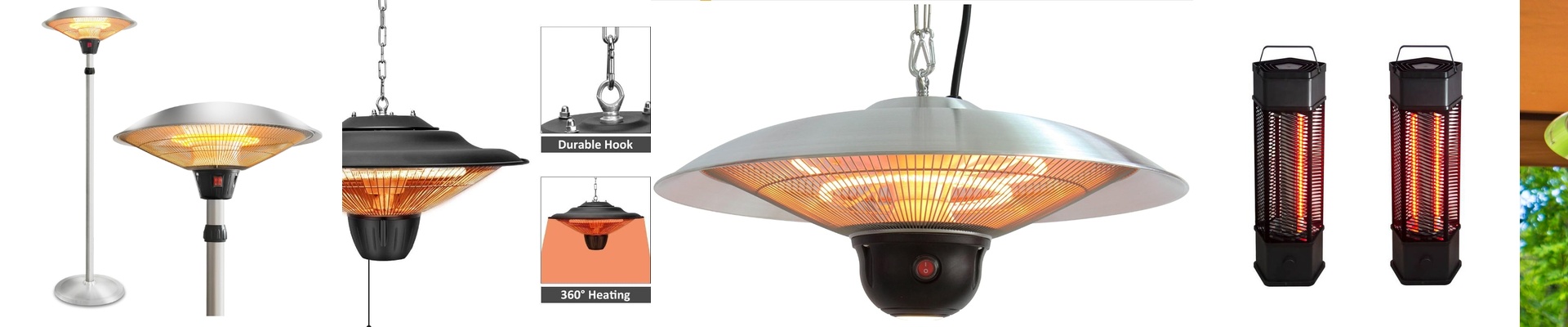
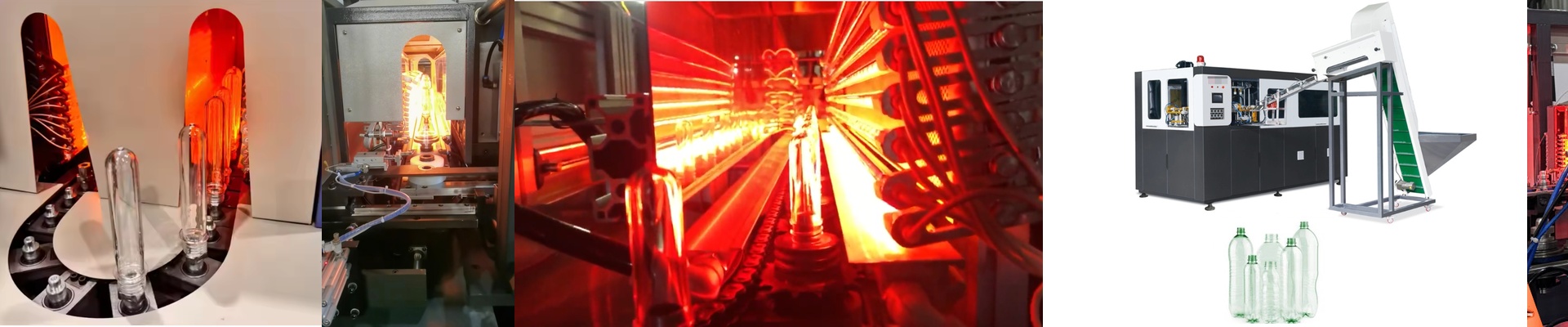
Ever wonder why some bread has that gorgeous, deep golden crust while others just look… pale? It all comes down to a thermal trigger. Standard convection ovens are great, but they’re slow. If you rely on them for the final browning, you risk drying out the inside of your loaf just to get the outside to look right. That’s why we use short-wave infrared (IR) heating tubes. Think of it as a sudden, intense burst of energy. It hits the surface hard and fast, triggering the Maillard reaction (that’s the chemistry magic that makes bread brown) without sucking the moisture out of the crumb.
Heat that actually moves
We build these tubes for what we call “second-level response.” Most heating elements have to warm up the air around them first. It’s a middleman process. IR tubes skip that entirely. They radiate energy directly onto the dough. It’s nearly instant. The second your controller kicks in, the surface temperature of your bread spikes. This means your loaves don’t sit around over-proofing or losing steam while you wait for the oven to catch up. It just happens.
The nuts and bolts
We use high-purity quartz glass and halogen-filled filaments. Why? Because quartz lets that short-wave radiation pass straight through. It doesn’t soak up the heat; it pushes it right onto the bread. This gives you a really concentrated heat footprint, which is handy if you need to target specific zones. You can pick the wattage based on your oven size, but a word of caution:**watch your heat density.**If you cram too much wattage into a tiny chamber, you’ll scorch the crust before the heat even penetrates the top couple of millimeters.
The trade-offs
These are designed to be easy drop-in replacements for your auxiliary heating banks. They don’t take up much space and they wire up fast. But here’s the catch: quartz is fragile. These tubes aren’t meant to take a beating. If you knock them or get fats and oils on the glass, you’ll get “hot spots.” That’s a one-way ticket to a premature burnout. Just make sure your ventilation is dialed in to keep the tube ends cool, and you’ll keep the seals from failing.