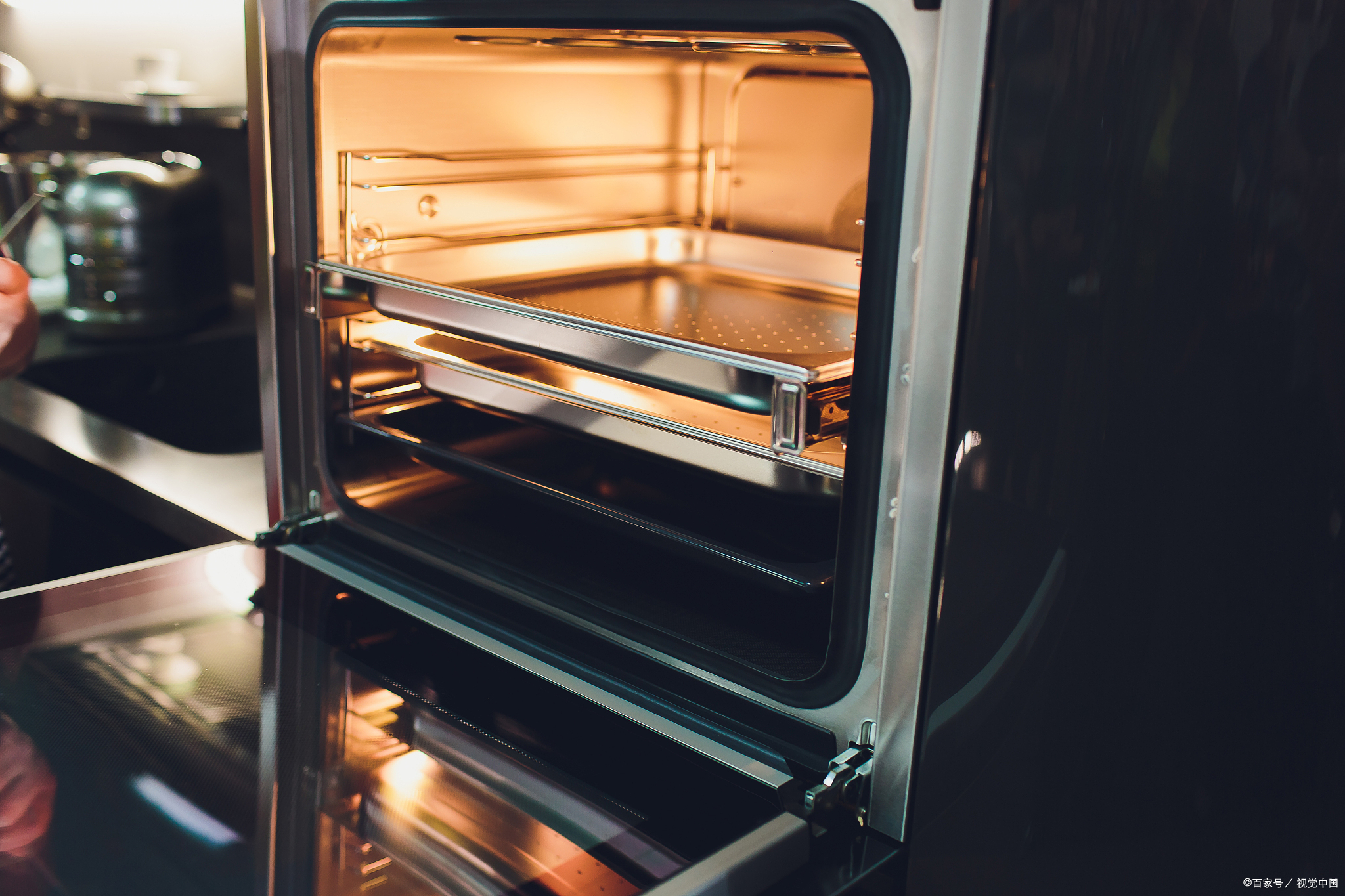
Getting Your Bread to Bake Evenly in Rotary Ovens
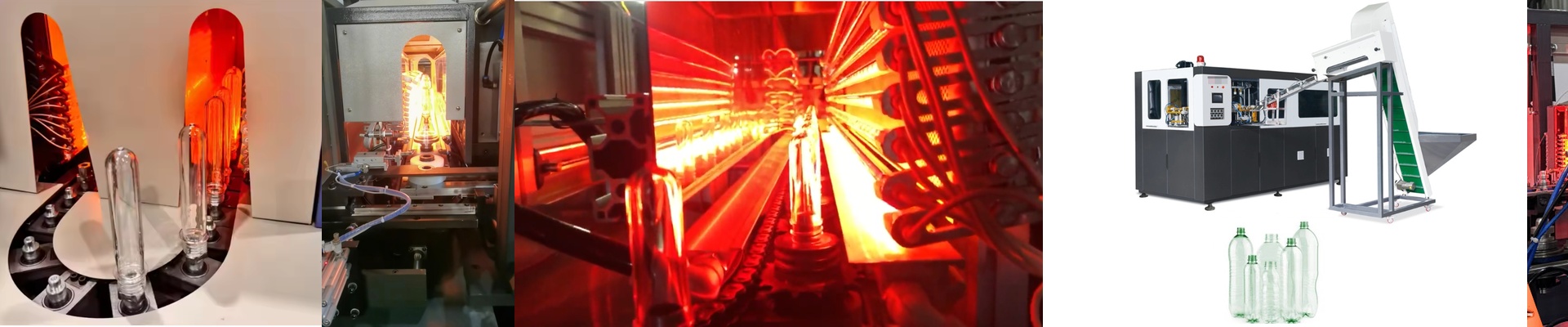
If you’ve ever pulled a rack of bread out of a rotary oven only to find a few pale, underbaked loaves hiding in the corners, you know the frustration. Cold spots are the enemy. You need heat that hits every single loaf from every single angle, but without torching the crust. That’s why we use short-wave infrared (IR) quartz lamps. Most ovens rely on blowing hot air around, but IR is different. It’s radiation. It doesn’t wait for the air to move; it just hits the target.
How we kill the blind spots
We don’t just toss these lamps in. We arrange them in a specific pattern around the rotating rack. As your bread spins, it passes through the radiation field of several different lamps. It’s like a heat soak. Because we use high-wattage, short-wave output, the dough reacts almost instantly. You get that perfect, consistent bake across the whole rack.
The nitty-gritty (and the catch)
We build these with high-purity quartz glass. Why? Because these things go through brutal thermal shocks—blasting hot one second, off the next. They need to be tough. But here’s the thing: this much power takes a toll. A high-output IR tube puts out an incredible amount of energy, but it also pulls a lot of juice. If your wiring or contactors aren’t up to the task, you’re looking at burnt-out terminals. It’s worth double-checking your electrical capacity before you push the wattage too high.
Keeping things running
When a lamp finally gives out, you don’t want to be fighting with the hardware at 2 AM. We made these drop-in replacements with standard connectors so you can swap them out and get back to baking fast. One pro tip:Keep the tubes clean. Flour dust is a nightmare for IR lamps. It builds up on the glass and creates a barrier, which forces the lamp to run hotter just to do its job. That wears them out way faster than they should. Just give them a regular wipe-down and they’ll last much longer.