

Why thick steaks usually fail (and how we fixed it)
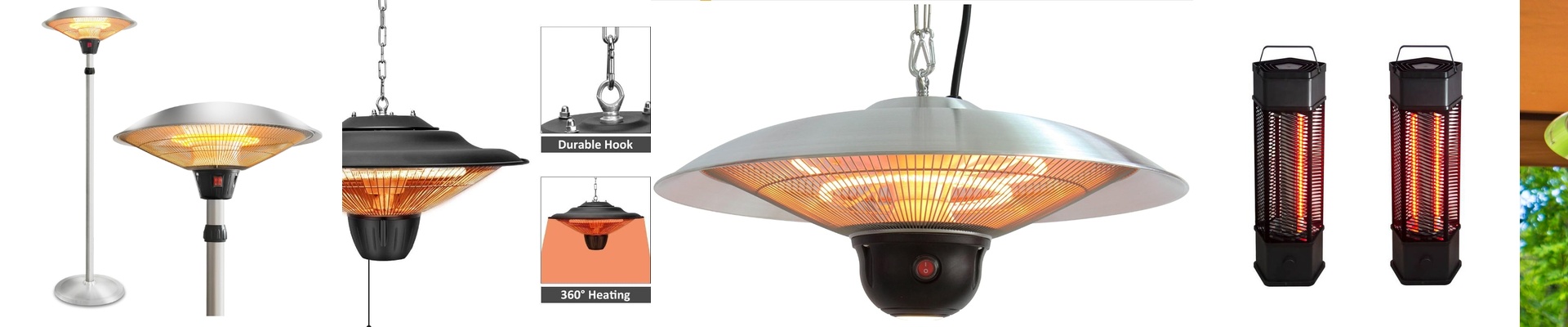
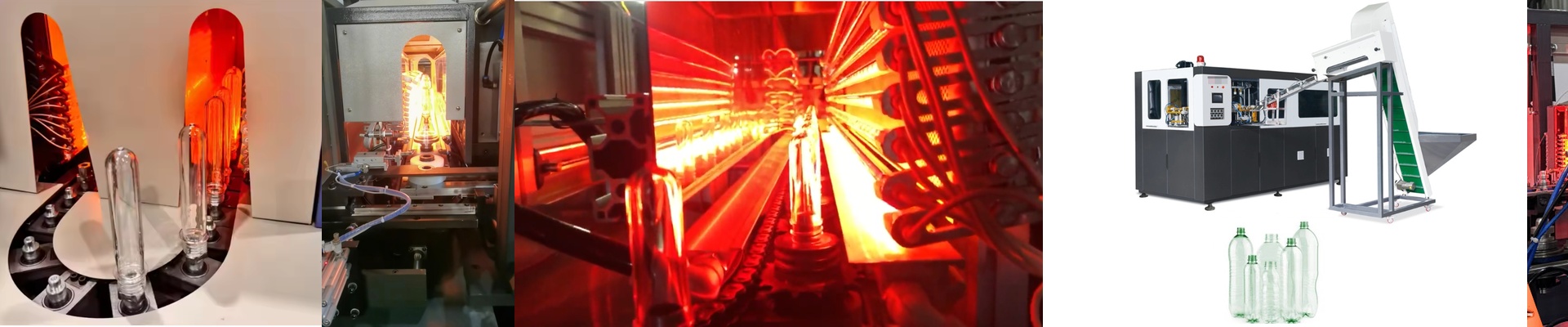
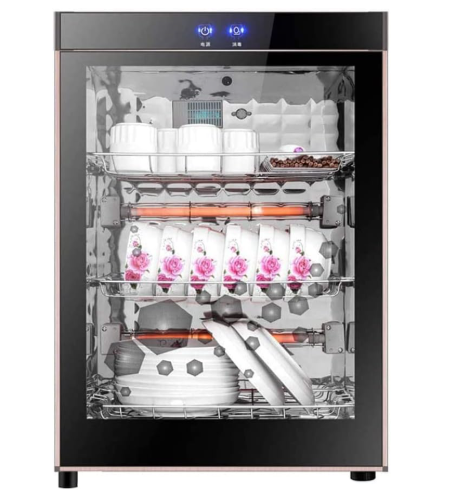
Anyone who’s tried to cook a thick cut of meat in a regular convection oven knows the frustration. You pull it out, and the outside is basically charcoal, but the center is still cold. It’s a nightmare. We decided to fix this by mixing far-infrared (FIR) heating right into the airflow. Here is the thing about convection: it’s slow. It just pushes hot air around, which mostly just attacks the surface of the meat. FIR is a different beast. Those wavelengths actually sink deep into the protein, shaking up the water molecules inside. When you use both at once, you get a tag-team effect. The FIR pushes heat straight to the core, while the moving air keeps the surface from burning. It just works. But there’s a catch. High-wattage FIR systems can be erratic. If your controller isn’t dialed in, the temperature will skyrocket right past where you want it. To stop that, we put high-precision thermocouples right in the airflow. They talk to a Solid State Relay (SSR) in real-time, flicking the heat on and off so fast that the temperature stays within a tiny 1°C window. It’s incredibly steady. Of course, you can’t just throw these elements into any old oven and call it a day. FIR puts out a ton of heat in a very small space. If the meat is too close to the element, you’re going to sear the outside regardless of how much air is moving. You have to get the spacing exactly right to balance the radiation and the airflow. Plus, you need great ventilation. If you don’t, the housing will literally warp from the heat. It takes a bit of tinkering to get the physics right, but the result is a perfectly cooked piece of meat from edge to center. No more guessing.