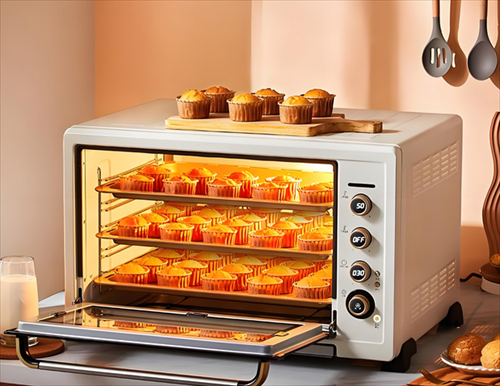
Getting Your Heat to React in Seconds
If you’ve ever worked with industrial bread ovens, you know the struggle. One second you’re fine, the next you’re staring at a burnt crust because the heat didn’t kick off fast enough. It’s a nightmare. To get that perfect golden brown without drying out the bread, you need heat that reacts now, not in a few minutes. That’s why we built our 800W infrared lamps. The goal was simple: make them hit full blast in seconds, and just as importantly, make them cool down the moment the power cuts.
How it actually works
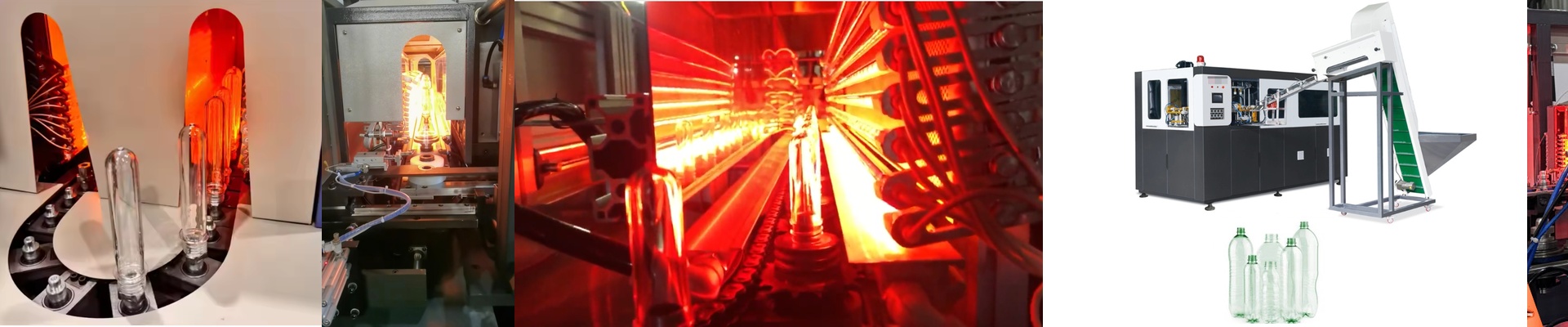
We went with short-wave infrared for a reason. Most heaters just warm up the air, which is slow and clunky. These lamps are different. They use electromagnetic radiation to dump energy straight into the product. Because we pack 800W into a tight quartz envelope, the filament hits its operating temperature almost instantly. When your controller flips the switch, there’s basically no lag. It means you can keep your temperatures dialed in perfectly, even if your staff is opening and closing the oven doors every two minutes.
Built to take a beating
Constant switching usually kills filaments. They get tired and snap. To stop that, we use a halogen gas fill. Think of it as a recycling system. As the tungsten evaporates, the halogen gas pushes it right back onto the filament. It keeps the wire thick and strong. We also use high-purity quartz glass because regular glass would just shatter under the stress of those rapid heat spikes.
A quick heads-up on your gear
Here is the catch. Rapid response is great, but it’s hard on your electronics. If you’re flipping the power on and off this fast, your relays or SSRs (Solid State Relays) are going to feel it. If you use cheap or slow hardware, you’ll end up with welded contacts or a fried circuit. Do yourself a favor: pair these tubes with fast-acting SSRs. If your wiring isn’t built for those peak current spikes, the lamp will be fine, but your circuit will give up the ghost. Make sure your electrical backbone is as fast as the lamps themselves.