
Stop Waiting on Your Oven: A Better Way to Bake Faster
Most convection ovens are honestly a bit slow. They spend all their time heating up the air, hoping that heat eventually finds its way into your food. If you’re trying to push more parts-per-minute through your line, waiting on the air just isn’t an option. You need to hit the product directly. That’s where medium-wave infrared (MWIR) bulbs come in.
Why Medium-Wave actually works
Here’s the thing about medium-wave heat: it’s tuned to the same frequency as the water and fats in your food. Short-wave IR is too aggressive—it tends to scorch the surface while the inside stays cold. But medium-wave sinks in deeper. It means you can crank up your belt speed and still trust that the center of your product is actually cooked. No more raw middles.
Picking the right gear
When we’re setting up high-speed lines, we usually go with high-wattage quartz tubes. The more wattage you pack into the length of the tube, the more heat density you get per square inch. One quick tip: check your voltage. Whether you’re on 220V or 380V, make sure it matches your control cabinet. If it doesn’t, you’ll get voltage drops, and your output will tank. We use quartz glass because it can take a beating from thermal shock. But if your line is messy—lots of grease or heavy steam—go with coated tubes. The coating protects the glass from getting gunked up. Just a heads-up: coatings can dip your raw wattage a bit, so you might want to toss in an extra lamp to make up for it.
Making it work in your shop
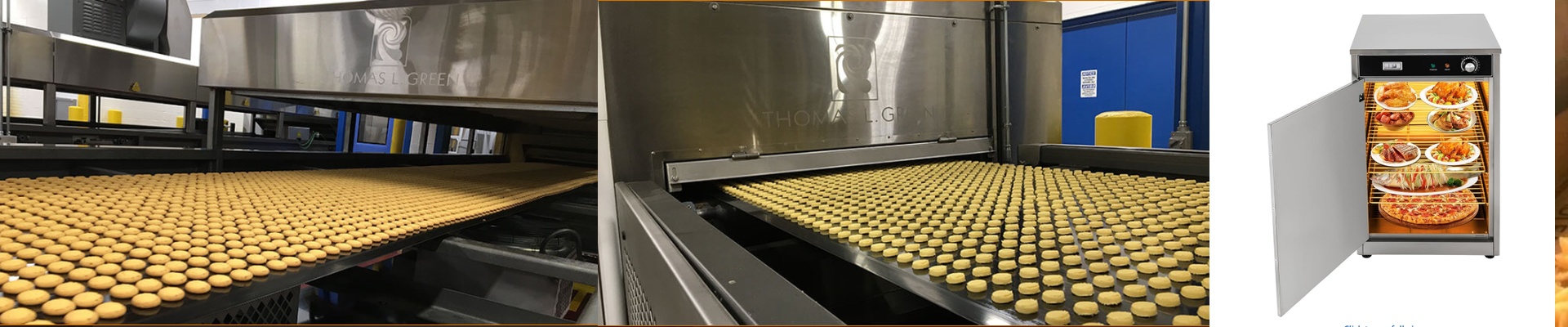
The best part? These bulbs are basically drop-in replacements for your old heating elements. We use standard connectors, so you aren’t spending all day messing with the wiring. When you mix MWIR with a convection setup, you get a hybrid zone. You get that nice, even finish from the hot air, but the raw speed of the radiant heat. But wait—there’s a catch. This much energy creates a lot of heat inside the oven chassis. If your exhaust fans aren’t strong enough to pull that heat out, you’re going to fry your sensors and wiring. Make sure your ventilation can handle the load before you flip the switch.