Stop Burning the Outside of Your Steaks
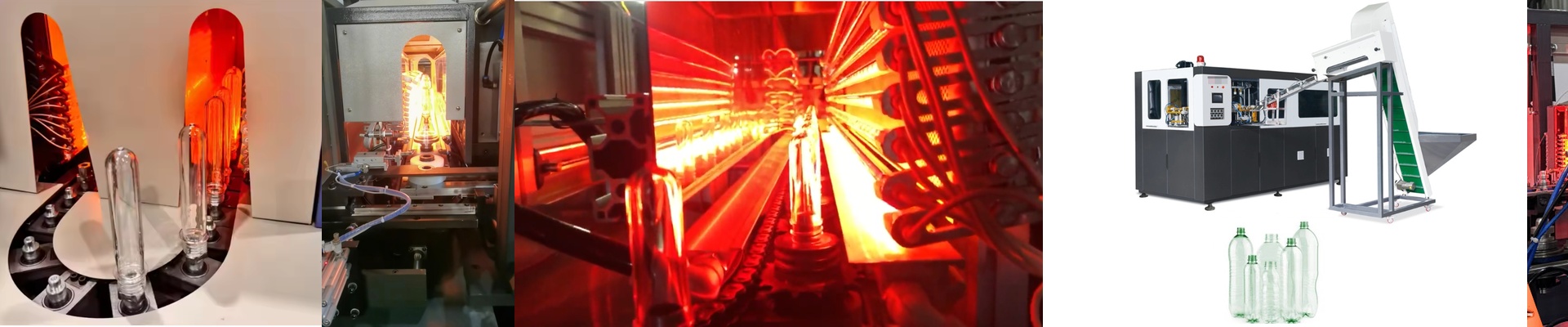
Ever tried cooking a thick cut of meat and ended up with a charred exterior but a center that’s basically still raw? It’s a classic headache. You’re stuck choosing between a burnt crust or a cold middle. We found a way around this using frosted quartz infrared tubes. Most people use clear quartz, but that creates “hot spots” that sear the meat too aggressively. By frosting the glass, we diffuse that energy. It spreads the heat out evenly, so the surface doesn’t take a beating while the inside is still freezing. How it actually works Here is the secret: short-wave infrared radiation doesn’t just sit on the surface. While a regular oven relies on hot air to slowly nudge heat toward the center, these tubes send energy deeper into the meat. It basically makes the water molecules deep inside the cut vibrate. Because the heat is penetrating the core directly, the outside doesn’t have to suffer under high heat for nearly as long. No more of that thick, overcooked grey rim around your perfect medium-rare. Control is everything You can’t just blast the power and hope for the best. That’s a recipe for a kitchen fire. To get the timing right, we pair these tubes with PID controllers. Think of it as a smart thermostat that constantly tweaks the power. By cycling the heat on and off rapidly, we give the internal temperature a chance to catch up to the surface. It’s a delicate balance, but it’s how you get that edge-to-edge perfection. A couple of warnings Now, this isn’t a “plug and play” toy. High-density infrared pulls a lot of power. If you’re running several 2kW tubes in one spot, make sure your wiring and breakers can actually handle the load. You don’t want to trip your main panel mid-dinner. Also, be careful with the glass. Quartz is tough, but it’s brittle. If a tray or a piece of meat touches the tube, the thermal shock will crack it instantly. Keep a gap of at least 50mm between the tube and your food. That space is vital—it lets the radiation spread out and soak into the meat without incinerating the top layer.