



Introduction
We make industrial electric heaters, the kind that get the job done when you need serious, focused heat. Think quartz halogen tubes—they blast out high-intensity warmth exactly where you need it. You’re putting these into machines where space is at a premium and every second counts. So, the whole design hinges on packing in the right wattage, nailing the voltage, and making sure it fits like a glove.
Power, Voltage, and the Right Fit
Here’s the thing about power: a 400V supply lets you push serious wattage over a longer distance without overloading your wiring. Take a 300mm tube, for example. Pack 2500W into that, and you get a tight, concentrated blast of heat. Perfect for those spots that need localized heating, no more, no less. But you’ve got to match the voltage to your control gear and the tube length to the space you have. Get that geometry wrong, and you’re fighting hot spots, uneven heating, and clearance headaches.
What’s Inside: Halogen, Quartz, and Connections
The halogen elements are the quiet workhorses. They keep the filament clean through the halogen cycle, which means the output stays steady and the lifespan stretches way beyond a standard incandescent bulb. Then there’s the quartz envelope. It handles the heat, no sweat, and it’s tough enough to take sudden temperature swings without cracking. For the connections, the R7s base is a no-fuss, two-pin setup that makes wiring simple and swapping out a heater quick. But if your setup is rougher—say, heavy vibration—SK15 terminals give you a more rugged connection that stays tight.
Where It Shines: Real-World Trade-offs
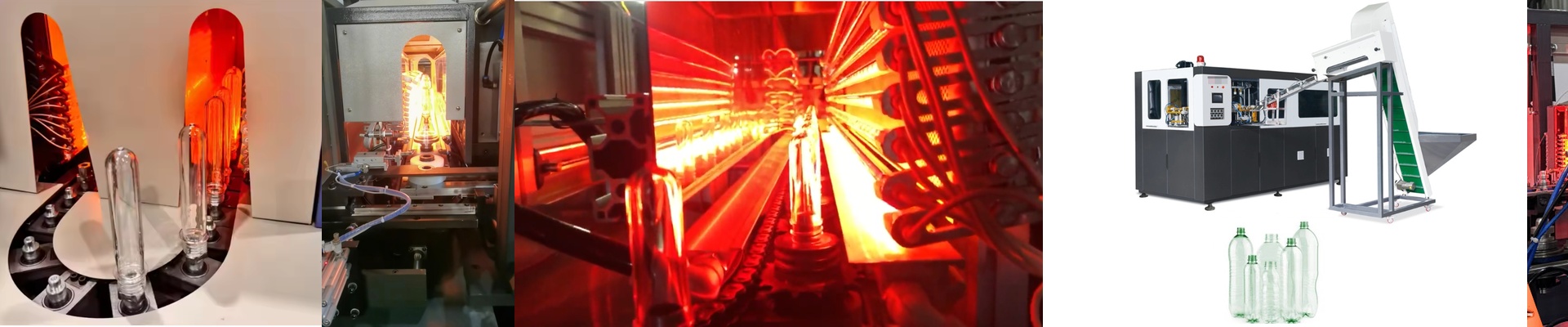
These heaters are built for real industrial work, like heating PET for blowing or preheating plastic preforms. They heat up fast, and you can zero in on the exact zone you need. But with that kind of power, you’ve got to plan for the heat. At 2500W, the surrounding parts feel a lot of radiant heat, so you need to build in proper cooling and shielding. Get the mounting right, match the voltage, and these heaters just do their job—steady and predictable, day after day on the shop floor.