

Keeping Wet Zones Warm Without Killing Your Heaters
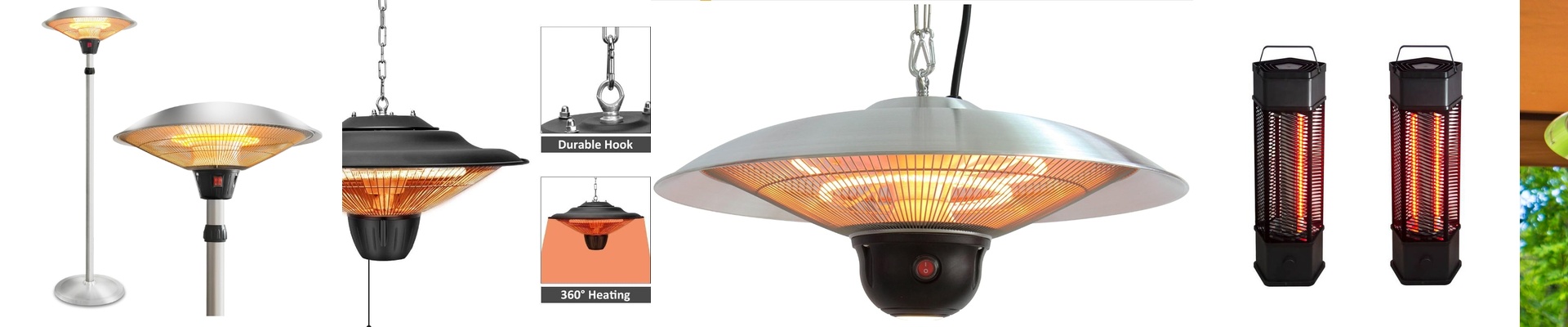
Let’s be honest: standard electric heaters usually die a quick death in changing rooms and shower areas. Between the thick humidity and the occasional direct spray of water, most units just can’t hack it. We figured out a better way. We took shortwave infrared emitters and tucked them inside an IP65-rated enclosure. In plain English? It means the guts of the heater are sealed tight against dust and water jets. No more worrying about a little splash ruining your gear.
Heat That Actually Hits You
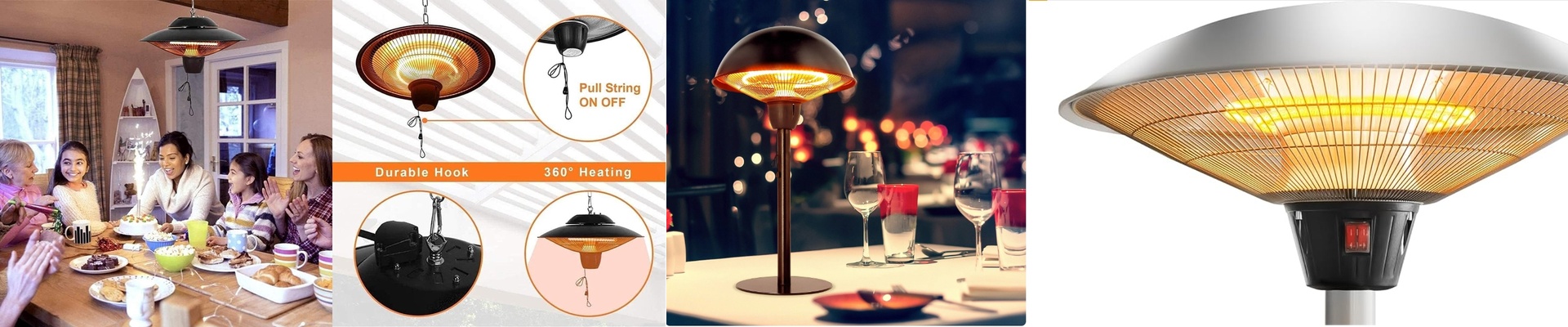
Most heaters try to warm up the air, which is a slow process—especially in a drafty room. These units are different. They use infrared radiation to heat people and objects directly. We use quartz halogen tubes that hit their peak temperature in seconds. There’s no waiting around for a “warm-up” cycle. You flip the switch, and you feel that heat instantly. It’s that simple.
The Nitty-Gritty Stuff
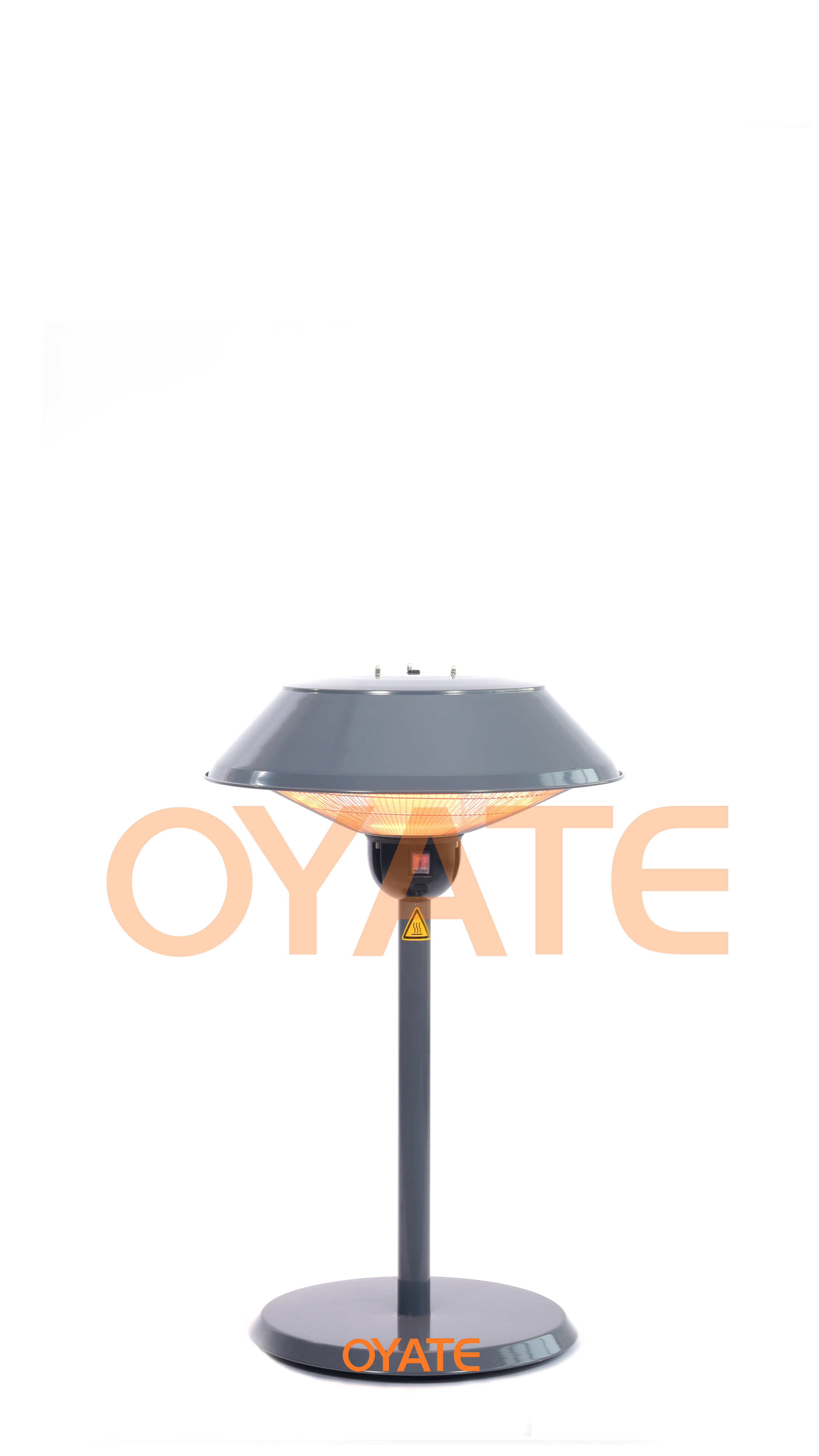
Under the hood, it’s all about a high-wattage halogen element. To keep that IP65 seal honest, we use specialized gaskets and waterproof cable glands where the wires enter. We also used corrosion-resistant alloys for the reflector plates, so you don’t have to deal with pitting or rust from the damp air. One quick heads-up:**check your circuit breakers.**These units pull a lot of current in those first few seconds of turning on. If your breakers are undersized, they’ll trip. Just make sure your electrical setup can handle the initial surge.
Getting Them Installed
We designed these to be drop-in replacements for the usual wall heaters. They have a small footprint, so they fit into tight ceiling grids without a fight. Now, here is the catch. Shortwave radiation is incredibly fast, but it doesn’t travel as far as medium-wave options. To get that “five-star” cozy feeling, you have to mount them closer to where people actually stand. If you put them too high, the heat just vanishes before it reaches the floor. Also, make sure your wiring is rated for the wattage. If the cable runs are too long and the wire is too thin, you’ll lose power along the way.