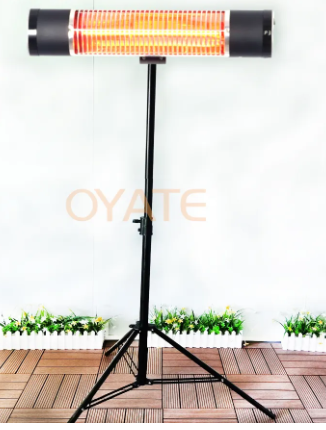
Keeping Things Warm (and Safe) in Wet Zones
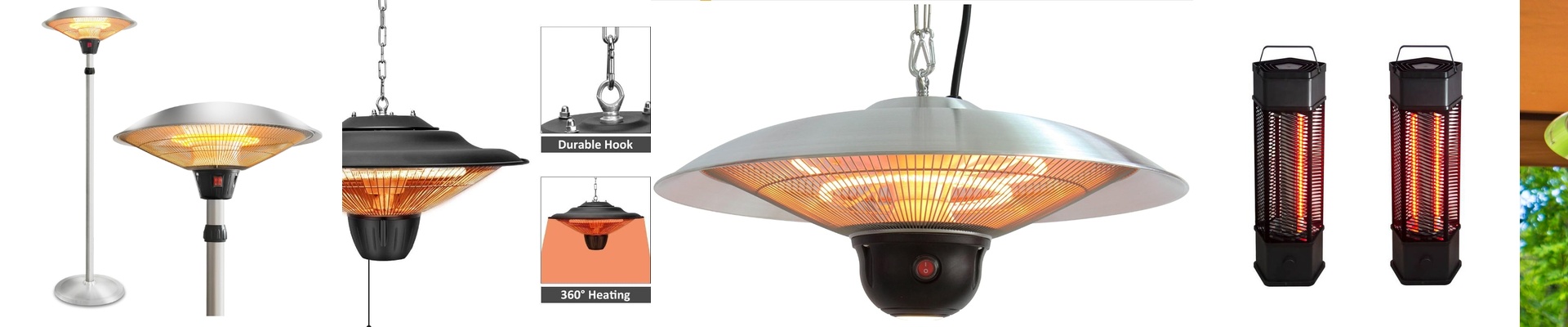
If you’ve ever thought about putting infrared heaters in a bathroom or out in the garden, you know the goal is simple: stop shivering. But there’s a hidden problem most people ignore. When you mix extreme heat with water, things can go south quickly. Standard quartz tubes are fragile. If a stray drop of cold water hits a glowing hot lamp, the glass can’t handle the sudden shock. It cracks. In a shower, that’s not just a broken heater—it’s a serious safety hazard. That’s where the “explosion-proof” stuff comes in. We don’t use the basic glass you’d find in a cheap lamp. We use a modified quartz blend with thicker walls. It’s built to take a beating. When a cold splash hits a tube running at 800°C, this glass doesn’t panic and shatter. It just keeps doing its job. But the glass is only half the battle. You also need a shell that actually keeps water out. We use IP65-rated housings, but let’s be honest: a rating is just a number on a box. What actually matters are the seals. We use high-temp silicone gaskets because they don’t melt or shrink when things get hot. It keeps the electrical guts dry, which is exactly where you want them. The best part? These lamps use shortwave radiation. Instead of trying to heat up all the air in a drafty patio—which is basically impossible—the heat goes straight to you. You feel it instantly. It’s that immediate, cozy warmth that makes you forget you’re actually standing outside in the cold. A few things to keep in mind before you install them. If you go for the high-wattage tubes, they’ll warm up faster, but they’re hungrier for power. Just make sure your circuit breakers can handle that initial surge of electricity when you flip the switch. You don’t want to trip the power the moment you try to get warm. And here is a pro tip: check your seals every six months. Extreme heat cycles eventually wear down even the best gaskets. If you see a seal looking worn, swap it out. It takes two minutes, and it’s the only way to make sure your system stays safe for the long haul.