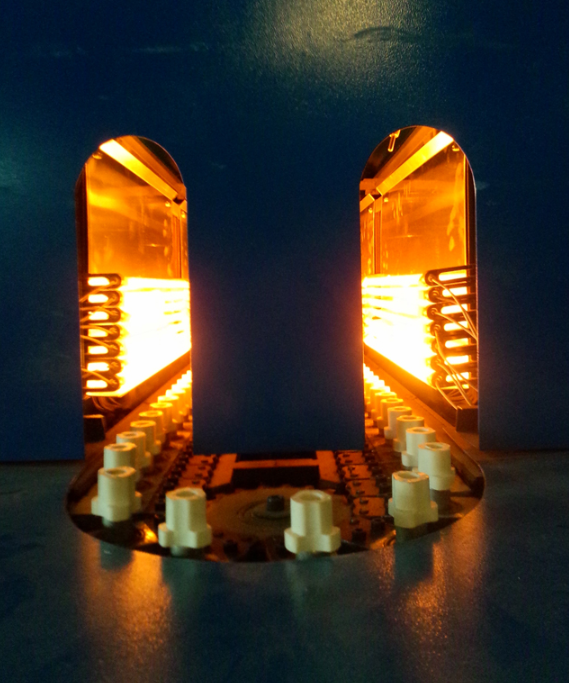
Getting Your Husky HyPET Heaters to Actually Work
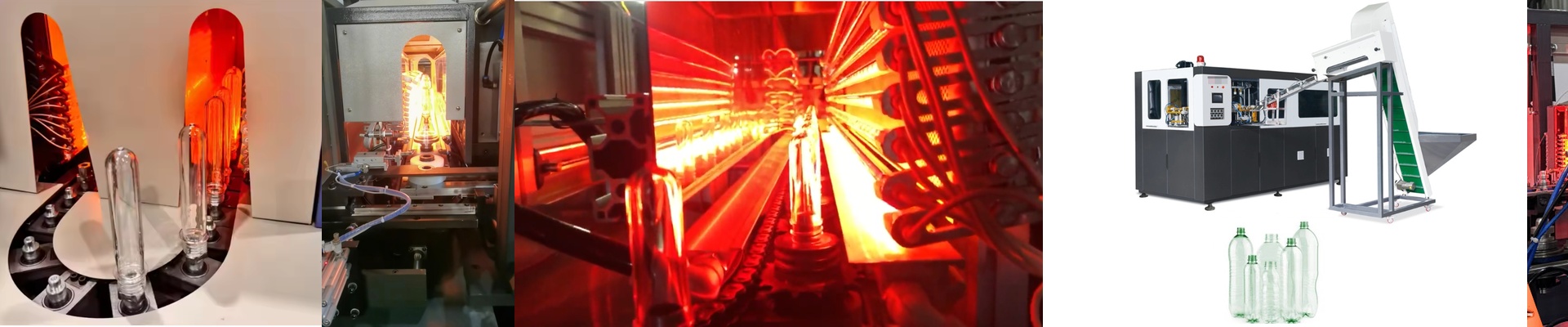
Here is the problem with heating PET preforms at high speeds: physics. It’s a pain. Usually, the heat just hits the outside, leaving the center of the plastic cold. That’s how you end up with uneven walls or that annoying pearlescent look in your bottles. We figured out a way around this. Instead of just cranking up the heat, we shift the light coming off the quartz lamps so the plastic actually absorbs it. The secret is in the spectrum. We build our tubes with high power density to keep your cycle times fast. By tweaking the tungsten filament and the gas pressure inside the tube, we push more energy into the short-wave infrared spectrum. Think of it like this: instead of just scorching the surface, the heat actually punches through to the core. You get a steady, uniform temperature from the skin all the way to the center. No more cold spots. The nuts and bolts We use high-purity fused quartz because, frankly, nobody wants to deal with tubes blowing out early. These are designed as drop-in replacements for Husky systems. They use standard R7s or SK15 connectors, so you can wire them up and get back to work without having to rebuild your oven housing. Now, some of our setups come with special coatings. These are great because they bounce the heat back toward the preform, which saves you money on energy. But there is a catch. These coatings are a bit delicate. If your shop floor is a “rough and tumble” kind of environment, you might find that the basic clear quartz lasts longer. A quick heads-up on power High-wattage tubes are fantastic for thick-walled preforms, but they put a lot of stress on your cooling blowers. Here is where people usually trip up: you swap in a 2500W tube, but your cooling system is too small. Before you know it, you’ve overheated the lamp ends and fried your sockets. Before you scale up the wattage, just double-check your airflow. It saves a lot of headaches down the road.