Stop Waiting for Your Oven to Warm Up
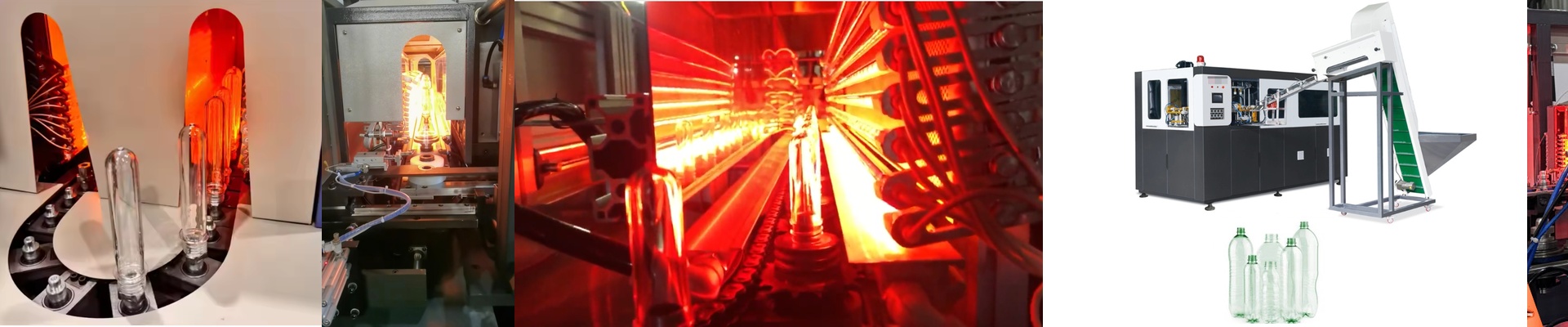
Let’s be honest: waiting for a convection oven to hit temperature is a drag. You’re basically relying on a game of telephone where the heating element warms the air, and then the air—slowly—warms your product. It’s a lag that kills your momentum. We fix this by throwing in some auxiliary infrared heating lamps. Instead of waiting for the air to do all the heavy lifting, you get direct radiant heat. It cuts through the wait and gets your production moving much faster. How it actually works Standard convection is a bit indirect. Infrared lamps are different. They send energy straight into the product. We usually go with shortwave or medium-wave radiation for food-grade setups. Why? Because it hits the surface immediately. You aren’t just heating up the empty space in the oven; you’re pumping energy directly into the food. It kills that “dead time” during preheating. The gear we use We use high-purity quartz glass for the tubes. It’s tough. It can handle the shock of heating up and cooling down rapidly without cracking. Safety is a big deal here, so the lamps are totally free of lead or any sketchy coatings. We stick to standard R7s or SK15 connectors, too. That way, they usually just slide right into most industrial oven frames without a fight. The catch (and how to handle it) Here’s the thing: when you add high-wattage lamps, you’re cranking up the heat density. That’s great for speed, but it changes how the oven breathes. If you go too heavy on the wattage without tweaking your airflow, you’ll end up with a product that’s burnt on the outside and raw in the middle. It’s a balancing act. You have to tune your fan speed to make sure the heat stays even. Also, don’t just plug these in anywhere. You’ll need a dedicated Solid State Relay (SSR) in your control loop. It stops the flickering and handles the high current draw. Get the wiring right, and you’ll see your batch times drop significantly. It’s a huge relief.