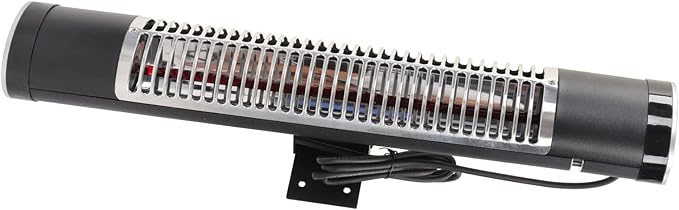
Keeping Things Safe When Water Meets Heat
If you’re putting infrared heaters in a shower or anywhere with a lot of steam, water is basically your worst enemy. You’ll see “IP55” on the spec sheet. In plain English, that just means the outer shell keeps out dust and can handle a few splashes of water without leaking. But here is the thing: the shell is only half the story. The real danger is actually the heating element itself. The deal with explosion-proof quartz Ever seen what happens when you drop a cold glass into boiling water? It cracks. That’s thermal shock. Standard quartz tubes do the same thing. If a stray drop of cold water hits a scorching hot tube, it can shatter. Now you’ve got shards of glass and live electricity flying around a wet bathroom. Not a great scenario. That’s why we use explosion-proof quartz. These tubes are built to take those sudden temperature swings without losing their cool. It keeps things safe. The physics of it all These lamps turn electricity into radiant heat. In a washroom, you need that heat to be intense so the air dries quickly, but you can’t have the tube popping. We use reinforced seals to keep the internal filament bone-dry. Because the second a tiny bit of moisture sneaks inside? The filament burns out. Game over. The trade-offs Look, there’s a catch. When you prioritize safety with IP55 gear and reinforced glass, the fixture gets a bit bulkier. You won’t get that ultra-slim, minimalist look of a cheap heater. And please, don’t cut corners on the wiring. If you use cheap connectors, that fancy IP55 housing doesn’t mean a thing—the leak will just happen at the junction box instead. We build these things to actually last. You get a heater that won’t explode when it gets splashed and won’t short out during a heavy steam cycle. Just a heads-up: make sure your circuit breaker can handle the initial surge when those quartz elements kick in.