Stop Fighting with Heat Variance in Your SIPA Rotary Systems
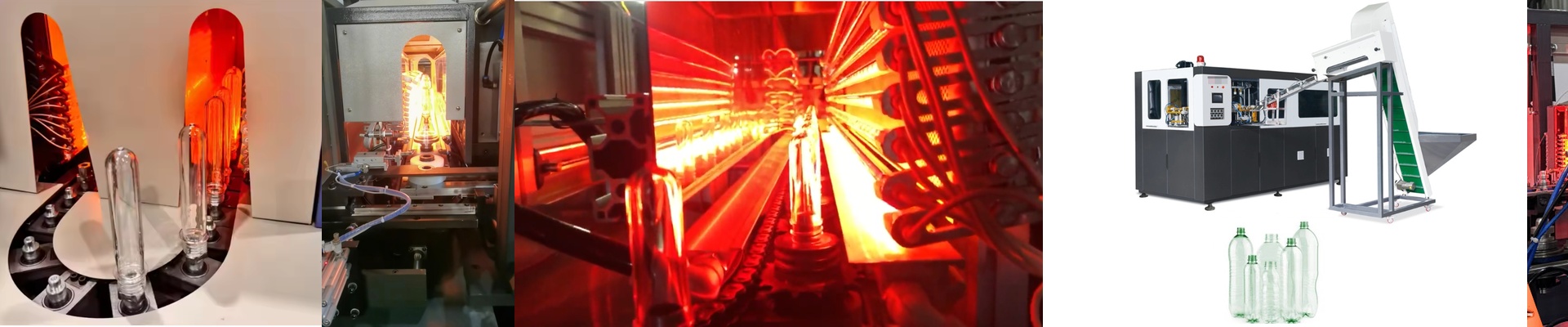
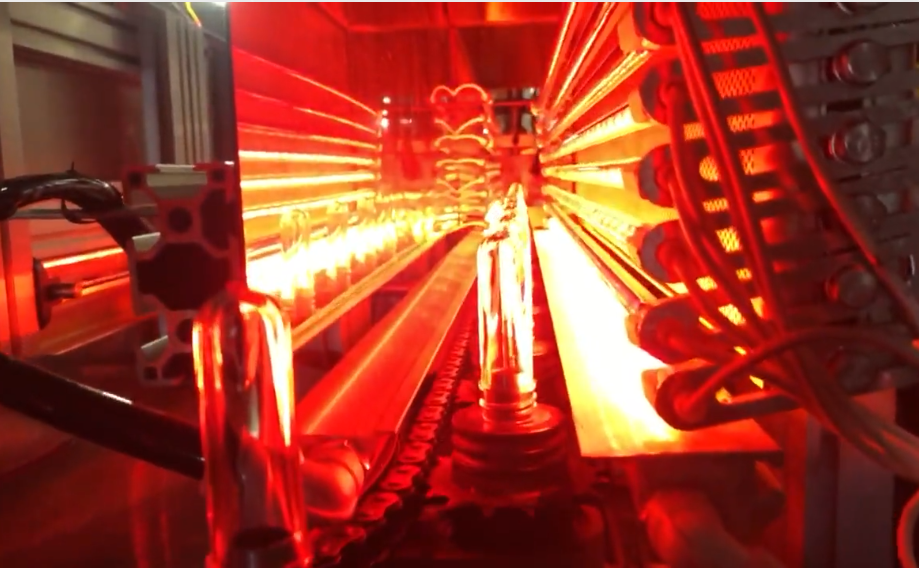
Ever feel like you’re constantly chasing your tail with the heating settings on your PET blowing machine? One minute everything is fine, and the next, you’ve got cold spots. Your preforms stretch unevenly, the wall thickness is all over the place, and you’re spending way too much time messing with PID tuning. Here’s the thing: most of the time, this happens because of a power mismatch. If you’re mixing lamps with different wattages or using old tubes that have drifted in spec, you’re never going to get a steady heat. We fix this by providing quartz heater tubes that are 100% power-matched. They’re built specifically for the SIPA rotary footprint, so they actually do what they’re supposed to do. Why consistency actually matters If your machine is set for a specific wattage but you pop in a tube that’s off by even 5%, the infrared wave distribution shifts. It sounds like a small detail, but it’s the difference between a perfect bottle and a scrap pile. Our tubes are made to tight tolerances. Every single lamp in the oven puts out the same amount of heat. No guessing games. No constant tweaking. Just a stable heat soak across the entire preform. Tough materials for a tough job Rotary cycles are brutal. The rapid heating and cooling put a massive amount of stress on the equipment. That’s why we use high-purity fused quartz. It can take a beating. Plus, the shortwave infrared emission digs deep into the PET material. This means you don’t have to keep the preforms in the oven as long, which speeds things up. But a quick heads-up: check your cooling fans. These high-density tubes pump out a ton of heat. If your ventilation is clogged, the tubes will burn out early—no matter how good the quality is. No rigging, no headaches We designed these as drop-in replacements. The length and the connectors match your SIPA system exactly. You just plug them in and go. No adapters, no “making it work,” and definitely no rigging. One last tip: try to buy your tubes in matched sets. If you replace just one lamp, you often create a “hot spot” because the new tube outperforms the old, worn-out ones. Swapping the full set is the only way to make sure your heat profile stays flat and uniform.