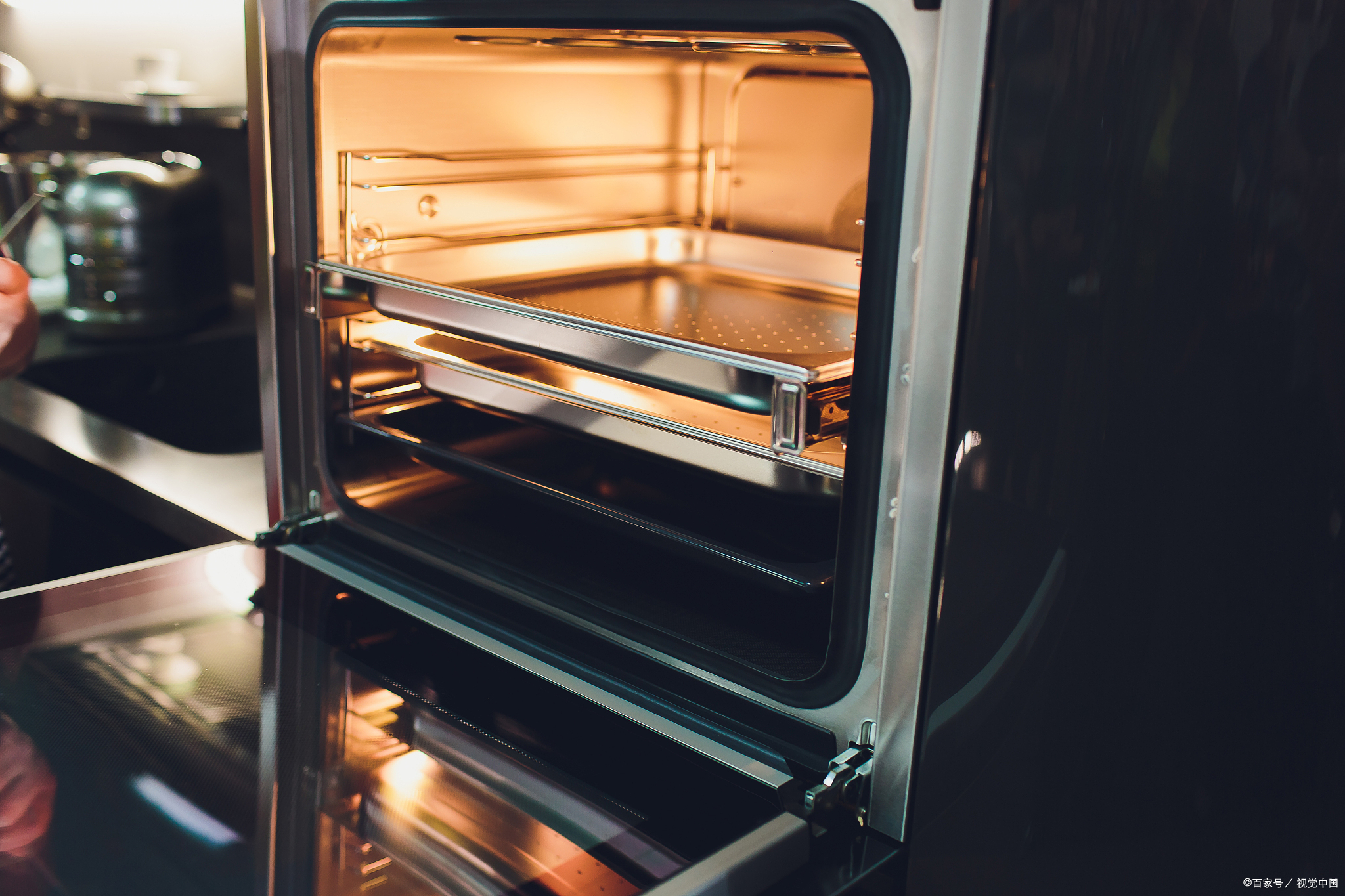
Getting Temperature Control Right in Smart Kitchens
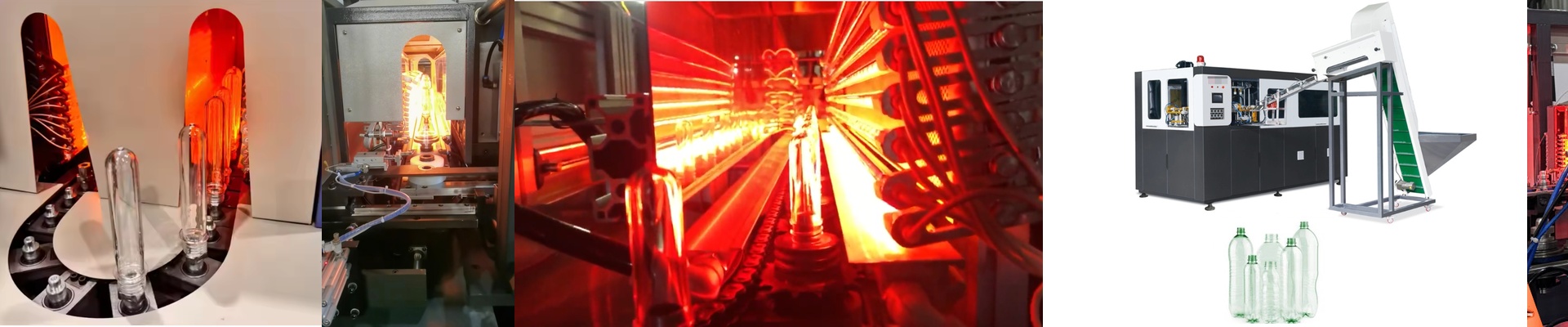
Smart ovens are changing. We’re moving past those clunky old thermostats and heading toward something much tighter and more precise. But here’s the catch: you can’t just throw a generic heating coil in there and expect it to work. To get that surgical precision, you need infrared lamps that can keep up with a PID controller. They have to react now. That’s why we build our replacement coils to handle rapid-fire cycling without just giving up and burning out. The nitty-gritty of the heat If you want a temperature to stay exactly where you set it, you need a heat source that doesn’t lag. Infrared quartz lamps are great for this because they hit the target temperature in seconds. When you’re picking a lamp, it usually comes down to the wattage-to-length ratio. Basically, how much heat are you packing into how much space? Now, pushing more wattage into a shorter tube lets you save space, but it puts a lot of stress on the quartz. Do it too aggressively, and your filament is going to snap way sooner than it should. Making it actually fit Nobody wants to spend their weekend rewiring an entire chassis. We make these as drop-in replacements. Whether you’re dealing with R7s or some weird specialized pins, we match the voltage and connectors so they just… fit. Then there’s the coating. If you go with clear quartz, you get shortwave radiation—perfect for that instant, heavy surface sear. But if you need the heat to sink deeper into the food, we can tweak the coating to shift things toward mid-wave emission. Real-world headaches (and how to fix them) When you plug these into an AI-driven setup, the lamp is essentially flickering on and off constantly to keep the temperature steady. That creates a lot of thermal shock. It’s a lot of stress on the glass. To stop the lamps from cracking under the pressure, we use reinforced seals. One last thing: these high-precision lamps are a bit picky about power. If your circuit has voltage spikes, the filament is going to pay for it. Make sure your power board is filtered. It’ll stop the flickering and keep your lamps from dying an early death.