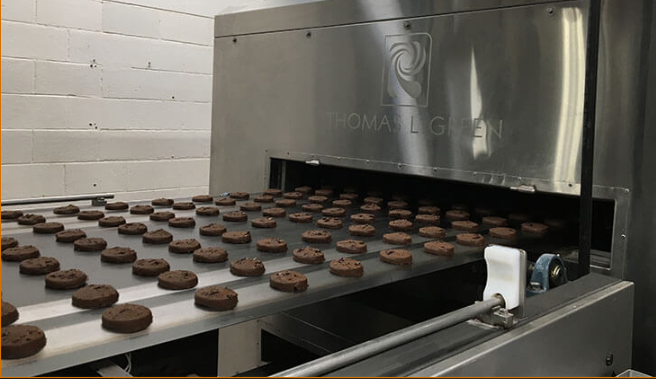
How We Actually Get That Perfect Crust: The Secret of IR Heating
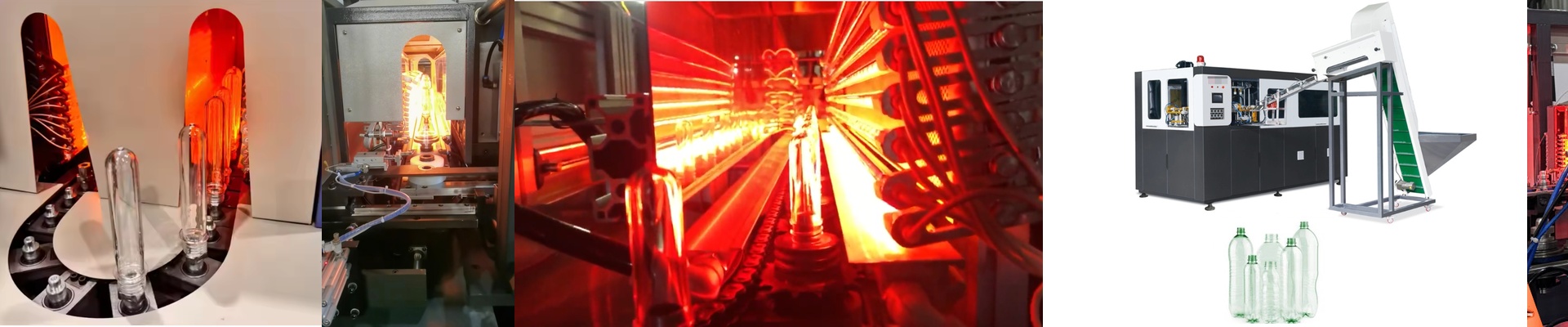
Ever wonder how to get a roast that’s perfectly crisp on the outside but still juicy in the middle, even when you’re cranking out hundreds of them in a Rotary oven? It usually comes down to how you handle the heat. Most ovens rely on hot air, but that’s a slow game. The air warms the surface, and then you have to wait for that heat to crawl its way to the center. By the time the middle is done, the outside is often burnt to a crisp. That’s why we use short-wave infrared (IR) bulbs. Instead of waiting on the air, IR sends energy straight into the food. Think of it like this: the bulbs fire off photons that hit the water and fat molecules inside your food, making them vibrate. That friction creates heat from the inside out. It’s fast. Really fast. And it means you can sear the exterior without drying out the core. The Gear Under the Hood We don’t just use any old lightbulbs here. These are high-purity quartz tubes filled with halogen gas. Why quartz? Because it doesn’t warp when things get screaming hot. And the halogen gas keeps the tungsten filament from evaporating too quickly, so you aren’t replacing bulbs every other week. Now, depending on the size of your oven, you’ll see different wattages. High-wattage tubes are beasts—they pump out massive amounts of heat, which lets you slash your cooking times. But there’s a catch. Your power supply has to be able to handle it. If you’re running a dozen 2500W tubes, your wiring and breakers need to be beefy enough to take that initial hit when the oven ramps up, or you’ll be staring at a tripped breaker instead of a finished meal. Keeping Things Running We kept the installation simple. Most of these use R7s or SK15 connectors, so if one goes out, you just pop it out and drop a new one in. But here is a pro tip: check your contact points every few months for carbon buildup. If a connection gets loose, it creates a “hot spot” that can actually melt the socket. Also, keep the glass clean. It sounds basic, but grease splatters act like a shield, blocking those IR waves. When the heat can’t get out, the bulb overheats and burns out way sooner than it should. A quick wipe-down saves you a lot of headache later.