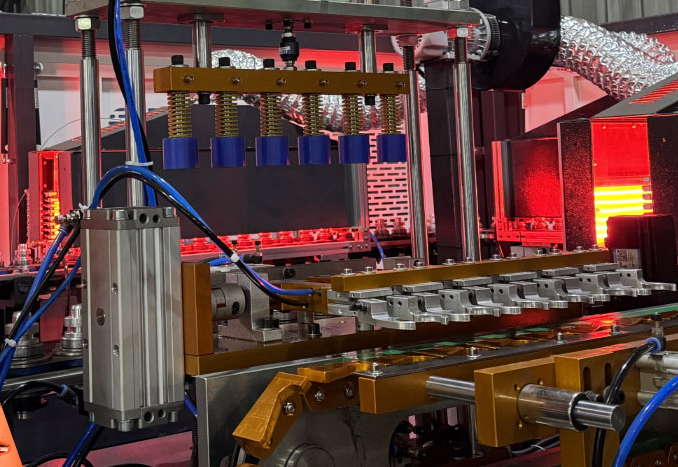
Let’s Talk About Getting Your PET Preforms Actually Hot
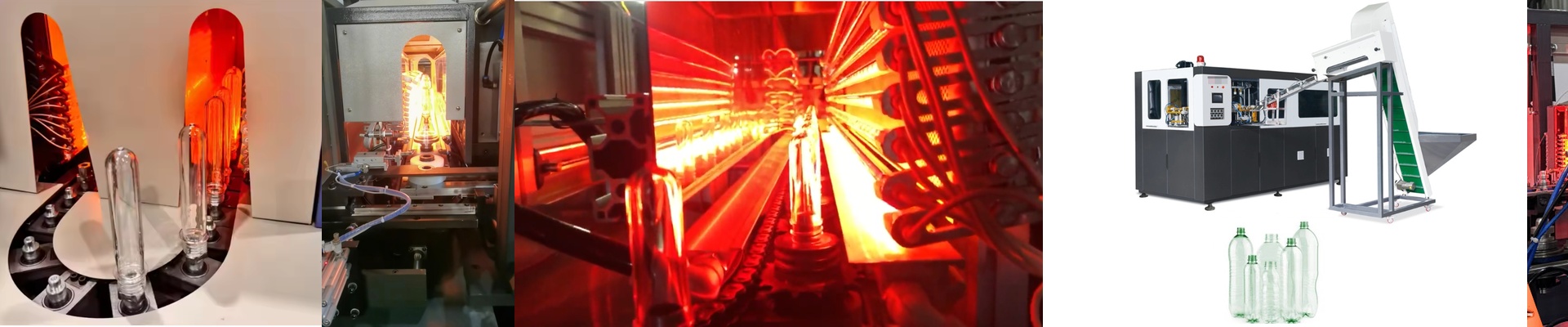
If you’ve spent any time on the shop floor with Sidel SBO Series 2 or Husky HyPET systems, you know the headache of uneven wall thickness. It’s frustrating. You’re running the line, but your preforms aren’t heating through to the core. You end up with cold spots, the plastic doesn’t stretch right, and suddenly you’re staring at a pile of structural failures and rejects. Here is how we fix that. Getting the heat where it matters Most lamps just bake the surface. That’s a problem. To really get into the plastic, we use a short-wave infrared (SWIR) profile. Think of it as heat that actually penetrates rather than just sitting on top. To make this work without the lamps popping every few hundred hours, we use high-density quartz and a halogen cycle. It keeps the filament from evaporating too fast, which means we can push higher wattages and actually get the job done without constant replacements. Will they actually fit? Yes. We made these as drop-in replacements. Whether you’re dealing with R7s or SK15 connectors, they fit exactly like the OEM parts should. They slide right into your existing reflectors. Plus, we used heavy-duty electrodes. Why? Because we’ve seen too many lamps fail due to arcing when machines cycle on and off all day. We wanted to kill that problem entirely. One quick heads-up on cooling More heat means faster cycle times, which is great. But there’s a catch. When you push for that deep penetration heating, your oven’s cooling fans have to work harder. If your vents are clogged or your airflow is weak, that heat builds up. If it gets too hot in there, you risk warping your reflectors. Do yourself a favor: check your airflow before you swap in the higher-output tubes. Once your cooling is dialed in, you’ll notice the preform temperatures stay consistent and those annoying rejects start to disappear.