Getting Your Heat Right on KHS Amsler Lines
Ever pull a batch of PET bottles and see those annoying pearlescent streaks or weird wall thickness? It’s a headache. Usually, it comes down to one thing: your heat isn’t hitting the preform evenly. We’ve noticed this happens a lot when people swap in replacement lamps that aren’t a perfect match. If the wattage is off or the spectral output is slightly different from the original, you’re asking for trouble.
Why the “Footprint” Matters
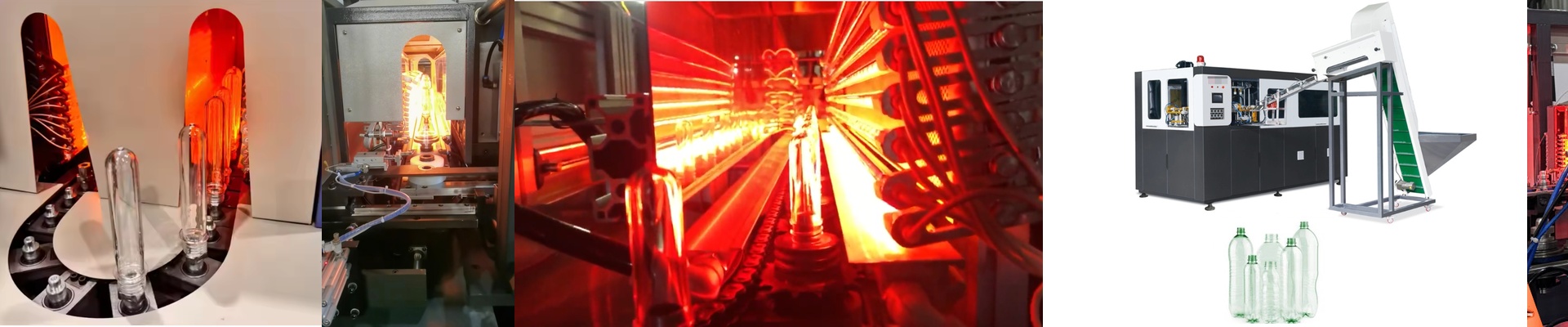
Think of it as a heat footprint. To get that perfect stretch, the heat needs to be exactly where it should be. We build our lamps to hit the specific voltage and wattage the Amsler oven expects. If you’re off by even 5%, you get cold spots. Then, the natural reaction is to crank up the oven temperature to compensate. But that’s a trap. You’ll end up overheating the neck finish before the rest of the bottle is ready. Our secret is focusing on short-wave infrared. Instead of just warming up the air inside the oven, the heat actually sinks into the PET polymer. It’s faster and way more efficient.
The Nitty-Gritty Hardware
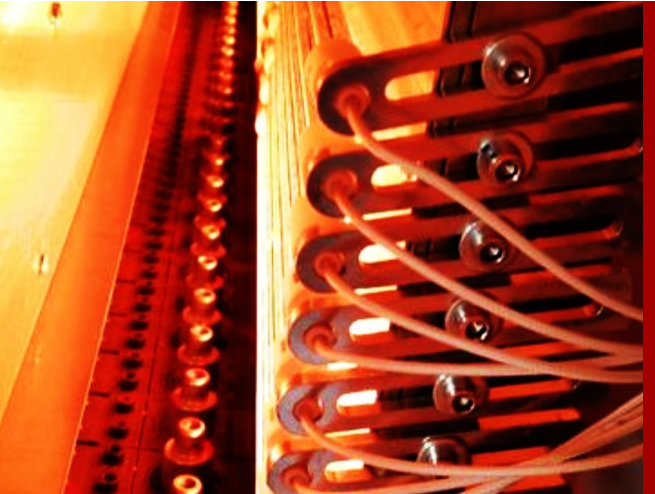
We don’t cut corners on the build. We use heavy-wall quartz glass because thermal cycling is brutal on equipment. It keeps the lamps from burning out prematurely. Plus, the connectors are standard. You just pop them into your existing KHS sockets. No rewiring, no messing around with the housing. Just a simple swap. We also add a special coating to the quartz. This stops “hot banding”—those nasty, intense stripes of heat that leave burnt spots on your preforms.
A Few Tips for the Floor
Swapping these out is easy. Just do it during your next scheduled downtime. But here is the catch: a great lamp can’t do everything. If your reflectors are pitted, oxidized, or just plain dirty, you’re wasting your money. The heat won’t bounce correctly, and your uniformity will still be off. Clean or replace those reflectors first to actually feel the difference. One last thing—if you’re running these at max wattage, check your cooling fans. Clear out any dust or debris. You don’t want your electrical contacts overheating just because a fan is clogged.