Stop Waiting for Your Oven to Catch Up
If you’ve ever worked a lunch rush in a busy kitchen, you know that every second spent waiting for a heating element to warm up feels like losing money. It’s frustrating. You’ve got tickets piling up, and your equipment is just… lagging. That’s why we build our replacement infrared tubes differently. We don’t do those slow-burn resistive coils. Instead, we use short-wave infrared emitters. The goal is simple: flip the switch, get heat, start cooking. No waiting around.
How it actually works
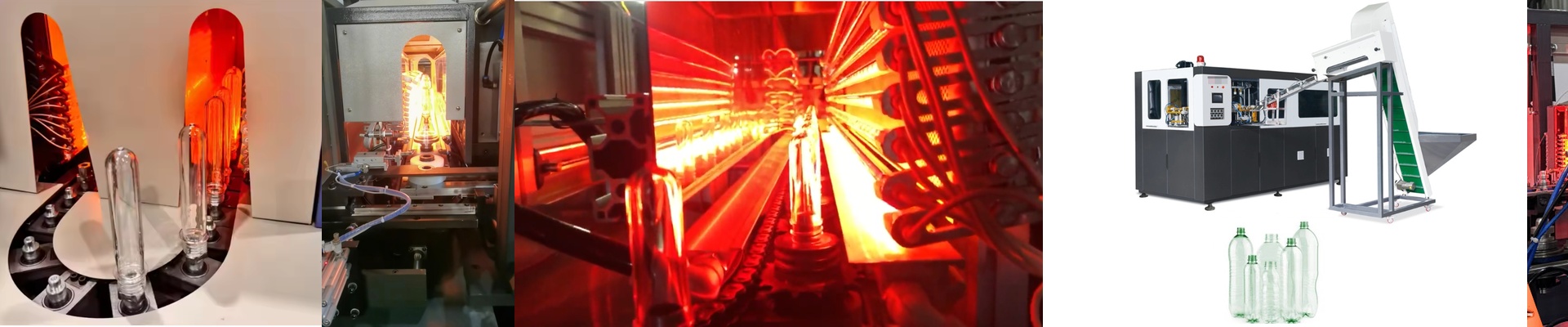
Most ovens rely on convection or those slow-radiating ceramics. They’re fine, but they’re slow. We use halogen-filled quartz tubes. Because of the halogen cycle, the tungsten filament doesn’t evaporate nearly as fast, which means we can push the temperature way higher. The result? A massive jump in heat the moment you turn it on. The energy hits the food instantly. You get your dishes out faster, and your workflow finally stays smooth.
The nitty-gritty on the hardware
These are designed to be drop-in replacements. We pack them with high wattage density so they don’t take up much space but still put out serious power. One heads-up: if you’re wiring these into a 230V or 400V system, just make sure your controllers can handle that initial inrush of current. We also don’t mess around with the connectors. We use R7s or SK15 high-temp alloys. Why? Because cheap connectors melt when things get hot. Ours won’t warp, even when your oven is screaming at peak temperature.
A word of caution
Here is the thing: this kind of heat is aggressive. Since it’s so intense, it can scorch the outside of your food if you aren’t careful. You’ll need to play around with the distance between the tube and your product to get it just right. If you bump up the wattage but forget to adjust your conveyor speed or your timer, you’re going to end up with a burnt crust and a cold center. It takes a little calibration, but it’s worth it. And one last tip: keep the quartz glass clean. Grease and carbon buildup act like a shield, blocking the infrared rays. Keep them sparkling, and they’ll keep performing.