Why Your Bathroom Needs More Than Just a Heater
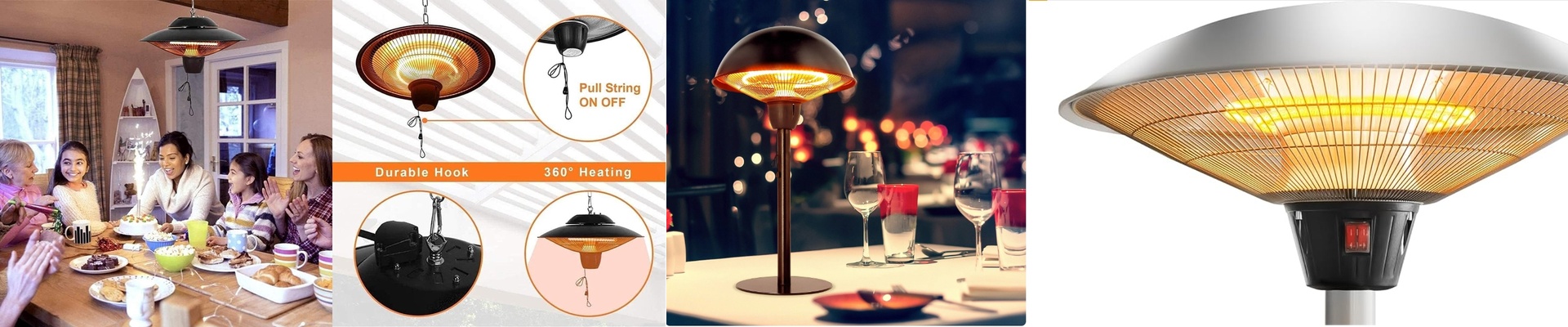
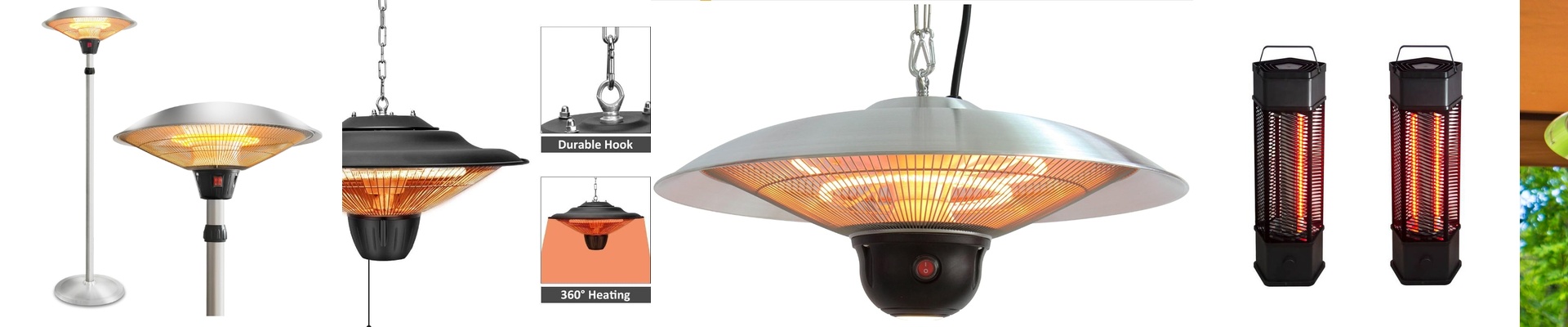
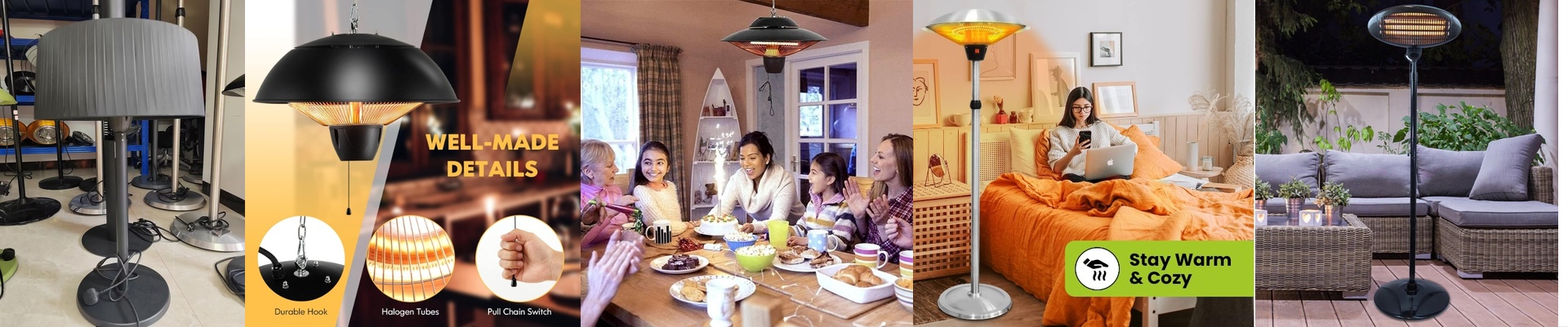
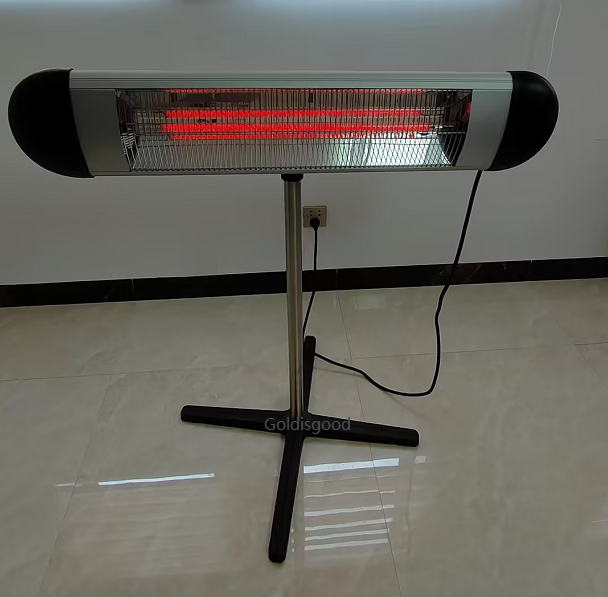
Most people think of those overhead heat lamps as a luxury—something to keep you from shivering while you’re stepping out of the shower. But we see them differently. For us, it’s not really about the temperature. It’s about fighting moisture. When we put infrared (IR) lamps in a wet room, we aren’t just trying to warm up the air. We’re using specific light waves to get deep into the surfaces and push the water out.
Dealing with the Damp
Here is the thing about standard space heaters: they warm the air. The problem is that warm air often hits a cold wall and turns right back into condensation. It’s a cycle that never ends. IR lamps don’t play that game. They send energy directly to the objects in the room. We stick with short-wave IR for bathrooms because it hits water molecules with a lot of energy, making them evaporate fast. By keeping your tiles and grout warm, the water never gets a chance to settle. And if the surface stays dry? Mold doesn’t stand a chance.
Beating the Mold
Mold loves dark, damp corners. It’s basically its favorite place to hang out. But these lamps do more than just “heat.” Certain frequencies of infrared actually break up the thin film of moisture on porous surfaces where fungus usually starts to grow. We design these to pack a lot of heat into a small space. It’s a quick, concentrated burst. It clears the steam off your mirror in seconds and dries out those annoying shower curtains before they start to smell. It’s a simple, mechanical way to stop a biological headache.
The Catch (and How to Handle It)
You can’t just grab any random IR lamp and toss it in a bathroom. Steam and splashes are brutal, so you need something with a serious waterproof rating. Also, keep an eye on your power. High-wattage lamps pull a lot of juice. If you wire too many onto one circuit, you’re going to be tripping your breaker all morning. Just make sure your electrical panel can actually handle the load. One last tip: short-wave IR can feel pretty intense on your skin. We usually suggest mounting them high enough so you get the drying power without feeling like you’re standing under a heat lamp at a stadium.