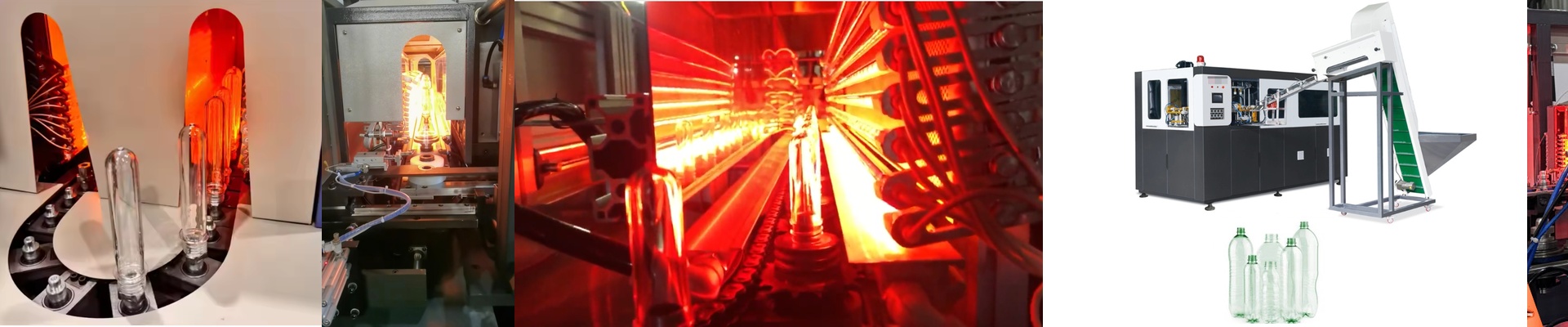
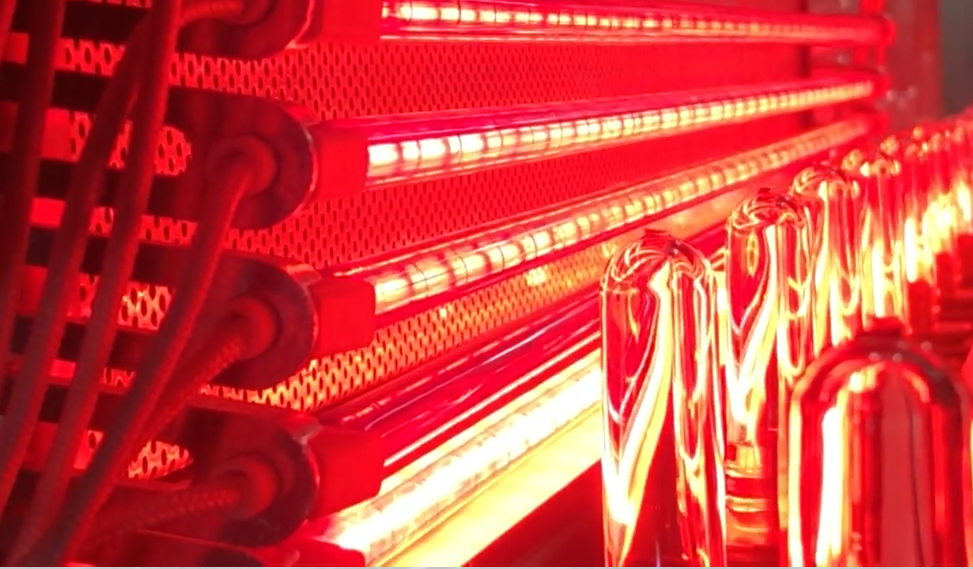
Let’s be honest: keeping Krones Contiform lines running is expensive. Especially when you start looking at the price tags on OEM replacement parts. It adds up fast. That’s why we built our IR lamps. They’re designed to be a straightforward, budget-friendly alternative that hits the same factory specs without messing up your heating uniformity. The heat side of things To get a PET preform to stretch just right, you need heat that’s actually precise. We’ve tweaked the wattage and voltage on these lamps so the shortwave radiation hits the plastic wall fast. When you go with a high-voltage setup, you get more heat density in a smaller space. That means your cycle times drop. You’re moving faster. But here’s the catch: running these at full tilt puts a lot of pressure on your power supplies. Just double-check that your electrical panels can handle the amperage. You don’t want to deal with a premature burnout because the power was strained. The build quality We use heavy-wall quartz glass. Why? Because these things go through a lot of thermal shock during rapid cycling, and they need to be tough enough to handle it. We also use a halogen cycle to stop the tungsten filament from evaporating too quickly, which helps the lamps last longer. Depending on which Contiform model you’re running, we’ve got R7s or Sk15 connectors. They’re basic plug-and-play. You can swap them out during a scheduled teardown without any headache. Plus, we offer specialized coatings. They bounce the heat back toward the preform instead of letting it leak into the oven. It saves energy and keeps the ambient temperature down, which everyone appreciates. Getting them installed These are drop-in replacements. You don’t have to mess with your lamp holders or modify the reflectors. It’s a simple swap. Now, there is a bit of a balancing act here. If you crank up the voltage to boost your throughput, your lamps won’t last quite as long. It’s a trade-off between speed and maintenance intervals. My advice? Keep a close eye on your preform temperature profiles after you put them in. Tune those heating zones carefully. You’ll keep your bottle walls thick and consistent while spending a lot less on parts.