Why the Best Bakers Use IR Heating
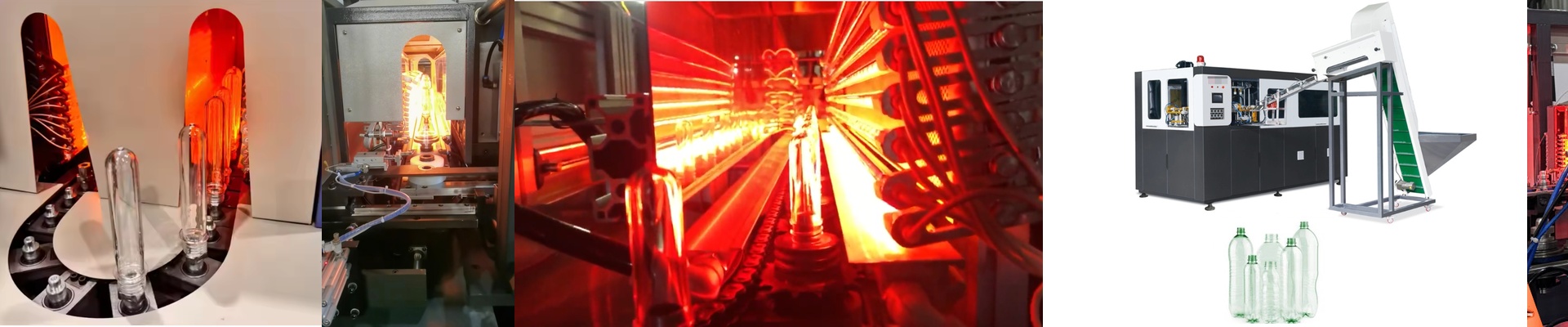
Most ovens just heat up the air and hope for the best. But air is slow. If you’re waiting on air to do all the heavy lifting, your dough takes forever to react. That’s why we put circular infrared (IR) heaters into our commercial ovens. Instead of waiting for the air to warm up, IR sends radiant heat straight into the crust. It’s almost instant. You get that beautiful, mahogany-colored crust and a great spring, but the inside stays moist and fluffy.
How the heat actually works
Think of it this way: while the convection air handles the inside of the loaf, the IR lamps take care of the surface. Depending on how thick you want that crust, we use different emitters. Short-wave IR hits the dough fast. Really fast. This cuts down your total bake time, which means you can push more trays through the oven every hour.
The gear behind the glow
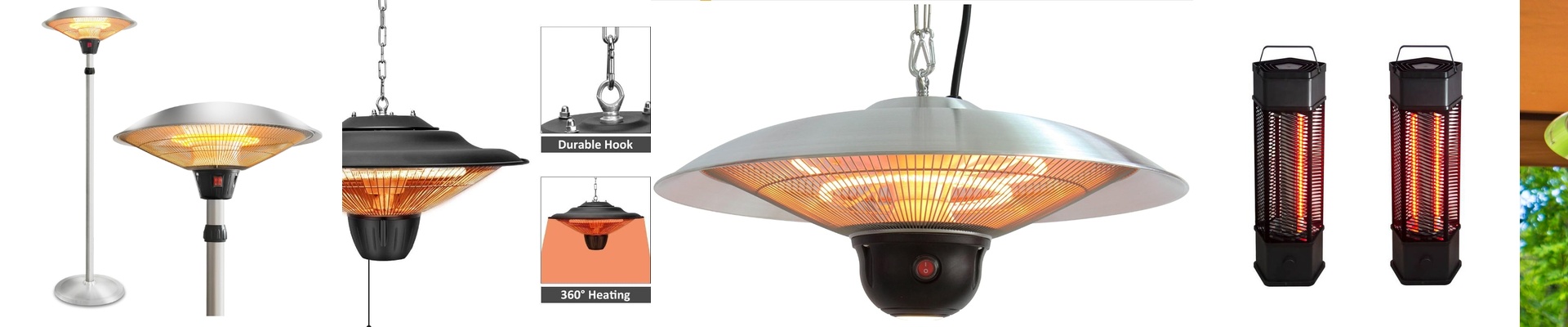
We make these heaters out of high-purity quartz glass. Why? Because quartz can handle the “shock” of jumping from cold to blistering hot without cracking. We shape them in circles so the heat spreads evenly across the ceiling or floor. No more “cold spots” or weird patches where some loaves are brown and others are pale. Now, a heads-up on the power: we spec these for high wattage to get them ramped up quickly. If you’re running a 400V system, you’ll feel that extra punch. Just make sure your wiring and contactors are up to the task. If the wiring is cheap or outdated, it’ll fry under a constant load.
The real-world trade-offs
Look, IR is powerful, but it’s not bulletproof. Quartz is fragile. If a baker accidentally bangs a heavy tray against an element, it’s going to shatter. To stop that from happening, we either add guards or tuck them away where they aren’t in the way of the hustle. And since IR is so aggressive, you’ll need to watch your timers. If you leave them on too long, you’ll end up with a charred exterior while the middle is still raw. It takes a little bit of calibration, but once you nail it, the results are incredible.