Why Your Bathroom Stays Damp (And How We Actually Fix It)
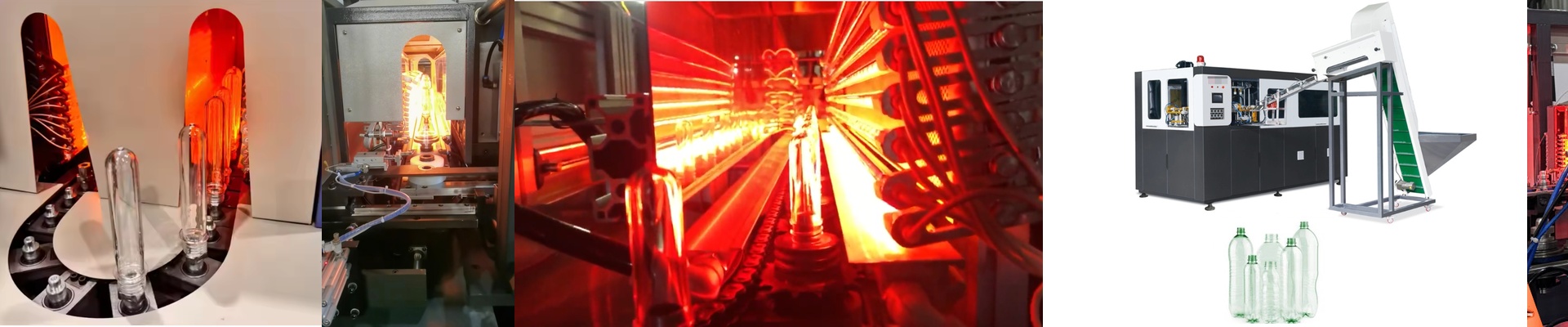
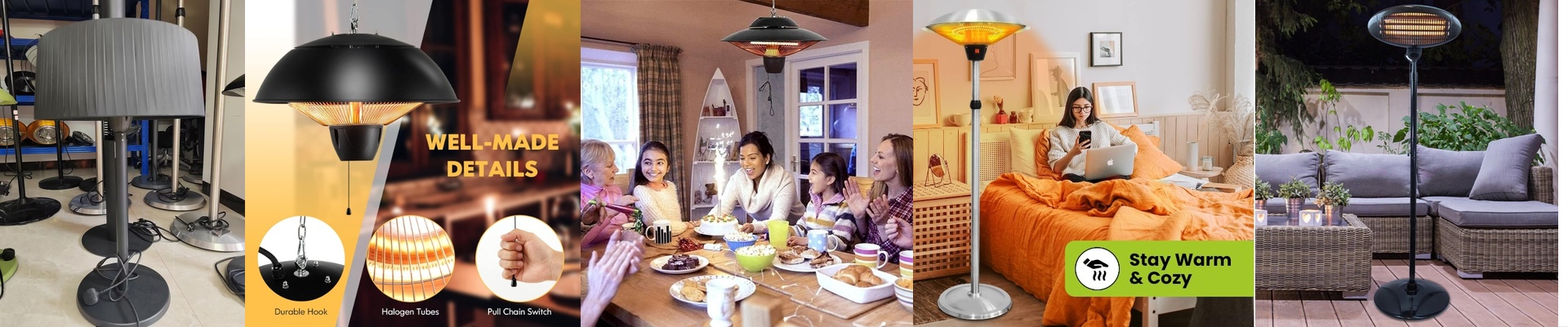
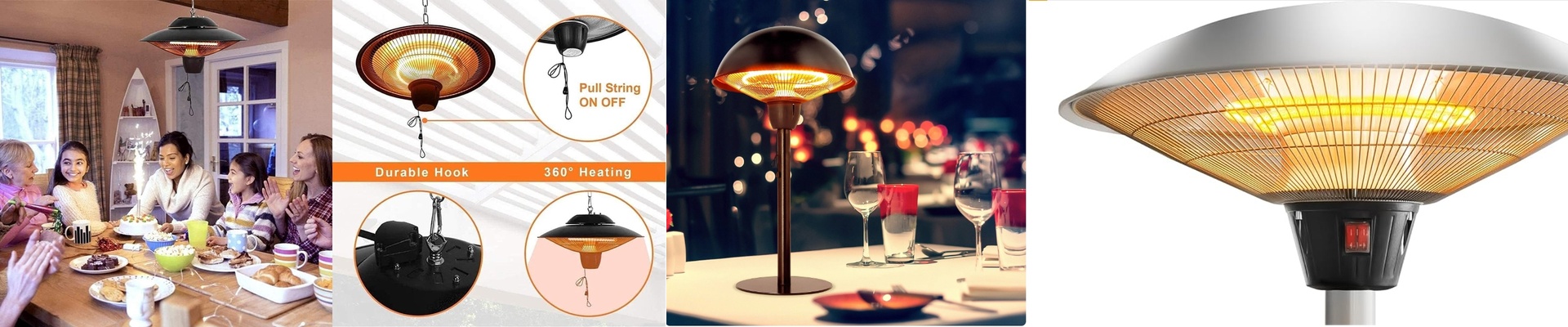
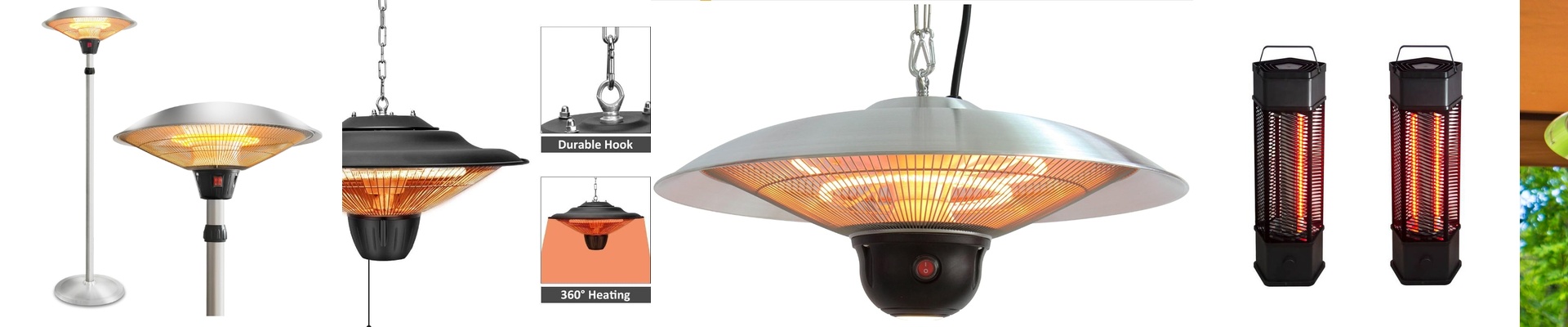
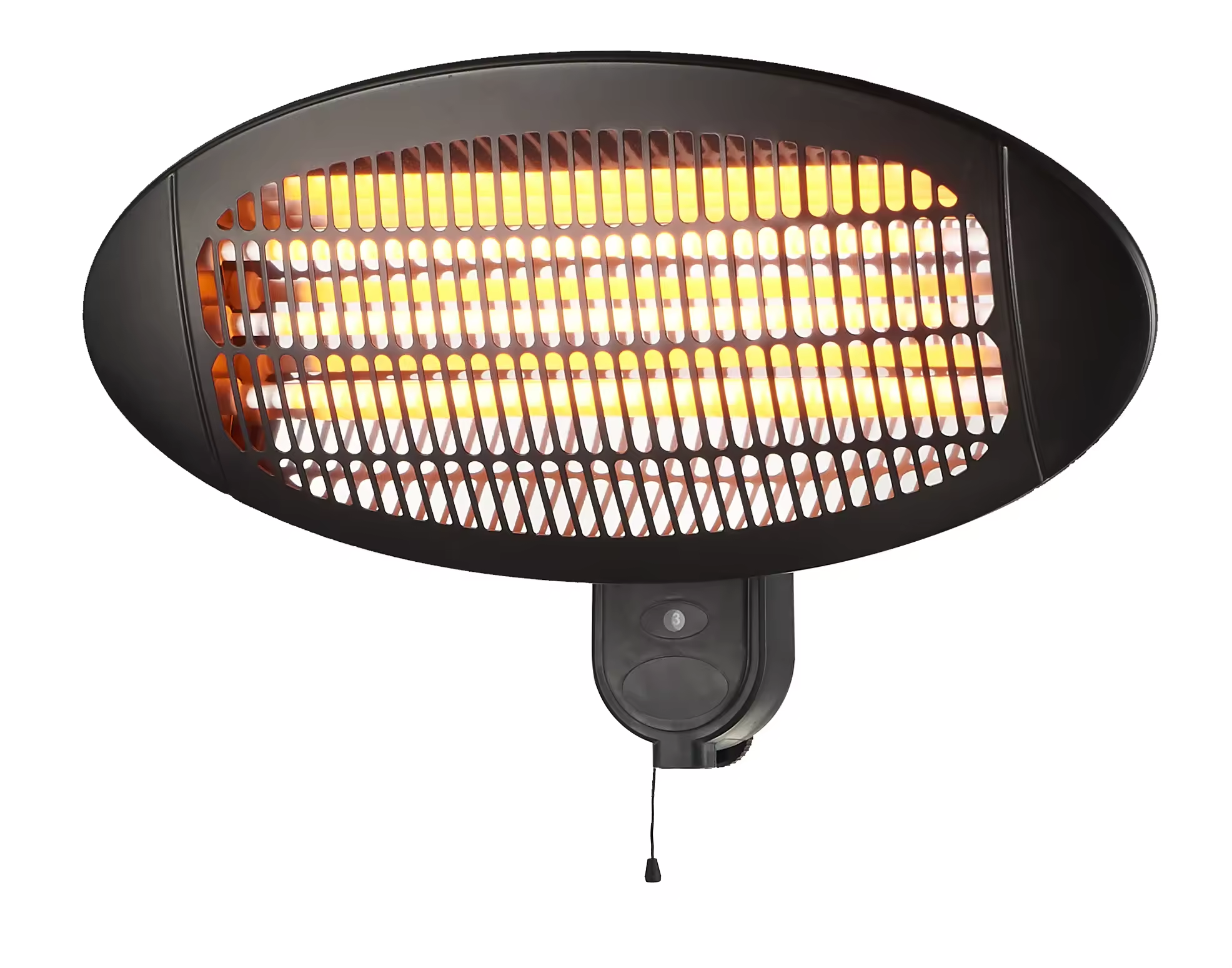
Most people think a bathroom heat lamp is just a way to stop shivering while you get dressed. But we look at it differently. Instead of just warming up the air, our lamps go after the water. We use the infrared spectrum to hit water molecules head-on, turning that clinging moisture into vapor so it can actually leave the room. It’s about the surfaces, not the air. Here’s the thing: standard space heaters just blow warm air around. That’s fine for your toes, but it doesn’t do much for your walls. We use short-wave infrared (SWIR) because it doesn’t stop at the air—it penetrates the tiles and the grout. It pushes the moisture out of the surfaces and into the air. When you’ve got a decent exhaust fan running, that humidity vanishes way faster than it ever would with a regular heater. The secret is in the glass. Inside each lamp is a high-purity quartz tube. We use quartz because it lets the infrared light through without blocking it, and it doesn’t crack when things get steamy. We’ve tuned the filament to hit a very specific sweet spot (between 0.7 and 1.4 microns). Why? Because that’s exactly where water absorbs energy most efficiently. It’s a precision tool disguised as a light bulb. Keeping the mold away. Mold is simple. It just needs some organic gunk and a bit of persistent moisture to move in. By keeping your walls warm—specifically above the “dew point”—we stop condensation from ever forming. If there’s no liquid water sitting on your walls, the mold spores just can’t get a foothold. They can’t grow if they can’t drink. One quick tip on sizing. You have to get the wattage right for your space. If you put a massive lamp in a tiny powder room, you risk warping your plastic fixtures. But if you go too small, those far corners stay damp and gross. Take a look at your “wet zone”—the area around the shower and sink—and make sure you have enough coverage. That’s the only way to make sure the whole room stays dry and fresh.